
Schizomyia gall midge
Schizomyia
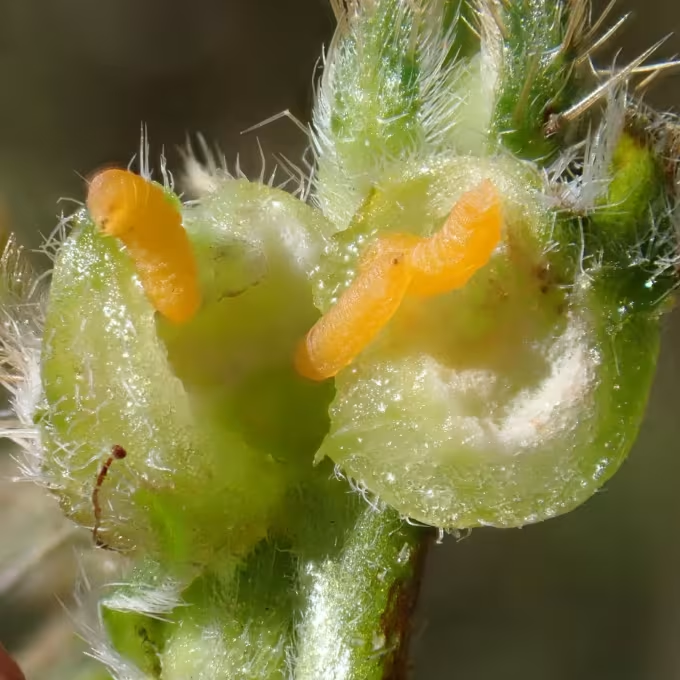
Description
How to identify
The Schizomyia gall midge belongs to the Cecidomyiidae family, commonly known as gall midges, within the order Diptera.
Adults are very small, fragile insects that resemble tiny mosquitoes with long, delicate legs and characteristic antennae structures.
The larvae are typically legless and have a spindle-shaped body, which is usually cream, yellowish, or orange, adapted for life inside plant tissues.
These insects are unique due to their ability to induce the formation of galls, which are specific plant growths that serve as both a home and food source for the developing larvae.
Classification into specific species within the Schizomyia genus often requires expert examination of adult morphology, as they are highly specialized to certain host plants.
What it damages
Schizomyia species affect various crops, shrubs, and ornamental plants, causing damage by feeding on active meristematic tissues.
The larvae secrete substances that manipulate plant cell division, resulting in the creation of galls on leaves, buds, or flower stalks.
This physiological manipulation redirects the plant's resources to support the pest, often leading to stunted growth and malformation of the affected parts.
Heavy infestations can lead to flower bud abortion or leaf deformation, which directly impacts the aesthetic and commercial value of the plant.
In fruit-bearing crops, this damage can significantly reduce the overall yield by affecting the development of reproductive structures.
When it appears
The activity of these midges typically begins in the spring, coinciding with the initiation of new plant growth and rising ambient temperatures.
Depending on the climatic zone and species, the insect may complete multiple generations within a single growing season.
The flight period of adult midges is generally short and synchronized with the susceptibility window of their host plants.
Overwintering usually occurs in the pupal stage, hidden within the soil or inside plant debris, until conditions become favorable again in the next cycle.
Environmental factors such as high humidity and moderate temperatures are critical for successful emergence and larval development.
Signs of infestation
The presence of Schizomyia is characterized by abnormal swellings or galls found on leaves, shoots, or floral organs of the plant.
Plants may show visible signs of distress, such as curled leaves, twisted stems, or buds that fail to open properly due to internal structural changes.
Inspecting the interior of these galls will reveal the presence of small, pale larvae feeding on the inner tissues of the plant.
Discoloration, such as yellowing or browning around the gall, is a common indicator that the plant's nutrient distribution has been severely compromised.
Reduced vigor and poor overall growth in localized sections of the plant are also key indicators of an active gall midge infestation.
Control measures
Sanitation practices, such as removing and destroying infested plant material, are essential to prevent the pest from spreading further.
Collecting and disposing of leaf litter in autumn helps destroy overwintering sites, significantly reducing the population for the following year.
Encouraging natural predators and parasitoids in the garden can provide biological control and minimize the need for chemical intervention.
In cases of severe infestation, targeted insecticide applications may be necessary, ideally during the adult emergence phase.
Maintaining plant health through optimal irrigation and balanced fertilization helps plants better withstand the stress caused by gall midge activity.
Taxonomy
- Latin name
- Schizomyia
- Order
- Diptera (flies)
- Family
- Cecidomyiidae
- EPPO code
- SCHMSP
Discussion
No discussions yet — be the first.