
Spiny lizard
Sceloporus
Description
How to identify
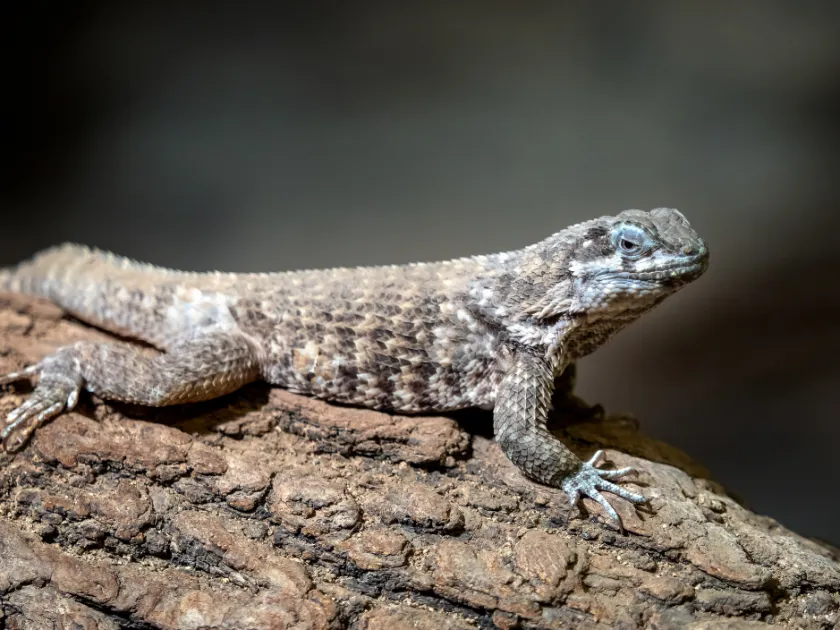
The genus Sceloporus, commonly known as spiny lizards, belongs to the family Phrynosomatidae. They are distinguished by their pointed, keeled scales, which give them a rugged, spiny appearance.
These lizards vary in size and coloration but generally possess a stout build and strong limbs, which make them highly adept at climbing trees, rocks, and wooden structures.
The coloration of these reptiles is typically camouflaged, ranging from shades of brown to grey or green, allowing them to blend seamlessly into their natural environment.
In a horticultural setting, they are often seen sunning themselves on warm surfaces, which is a key part of their thermoregulation process.
They are primarily insectivorous, meaning their anatomical structure is designed for hunting prey, not for consuming plant matter.
What it damages
Spiny lizards are not agricultural pests. They do not feed on leaves, fruits, or stems, so they cause zero direct damage to crops.
On the contrary, they serve as excellent biological control agents by consuming a wide array of insects, including beetles, grasshoppers, and moth larvae that threaten garden plants.
The only potential damage is purely accidental, occurring if a lizard disrupts young seedlings while moving rapidly, though this is statistically negligible.
Many gardeners misidentify them as threats due to their appearance, but they are actually beneficial allies in managing the population of harmful pests.
Removing these lizards would likely lead to an increase in insect pest activity, potentially forcing growers to use more chemical controls.
When it appears
Activity levels fluctuate with the seasons, starting in early spring when the air temperature becomes warm enough to support the metabolic needs of these reptiles.
Summer is their peak active period, during which they are most visible while hunting in garden beds and climbing on plants or fences.
As autumn approaches and temperatures drop, their metabolism slows down, and they begin seeking overwintering sites, such as soil crevices or rock piles.
The breeding season typically occurs during the late spring, leading to increased territorial displays and visibility of males.
Throughout the winter, they enter a period of dormancy, making them completely inactive during the winter months of the agricultural cycle.
Signs of infestation
Presence of these lizards is often identified by quick, darting movements across sunny areas or hearing them rustle through dry leaf litter.
Occasionally, one might find remnants of shed skin (slough) on fences or rock surfaces, indicating an established population on the property.
There are no specific signs of plant destruction, such as chewed leaves or bored fruits, associated with their presence on the farm.
If you observe them frequently, it serves as a bio-indicator of a healthy, diverse garden environment with a steady supply of insect prey.
Their flight response to human presence confirms they are wild animals, not creatures adapted to interacting with or consuming agricultural crops.
Control measures
No chemical or mechanical control methods should be used against Sceloporus, as they are beneficial members of the ecosystem and often legally protected.
If their presence is considered excessive, focus on habitat modification by removing piles of debris, brush, or rocks where they find refuge.
Standard farm maintenance, such as keeping the garden tidy and managing vegetative cover, is sufficient to limit their population naturally.
Avoid excessive pesticide use, as it eliminates the lizards' primary food source, causing them to move away or die of starvation, which upsets the ecological balance.
The most professional recommendation is to embrace their presence and leverage them as free, natural predators of harmful garden pests.
Taxonomy
- Latin name
- Sceloporus
- Family
- Phrynosomatidae
- EPPO code
- SKEPSP
Discussion
No discussions yet — be the first.