
Rhyncaphytoptus
Rhyncaphytoptus
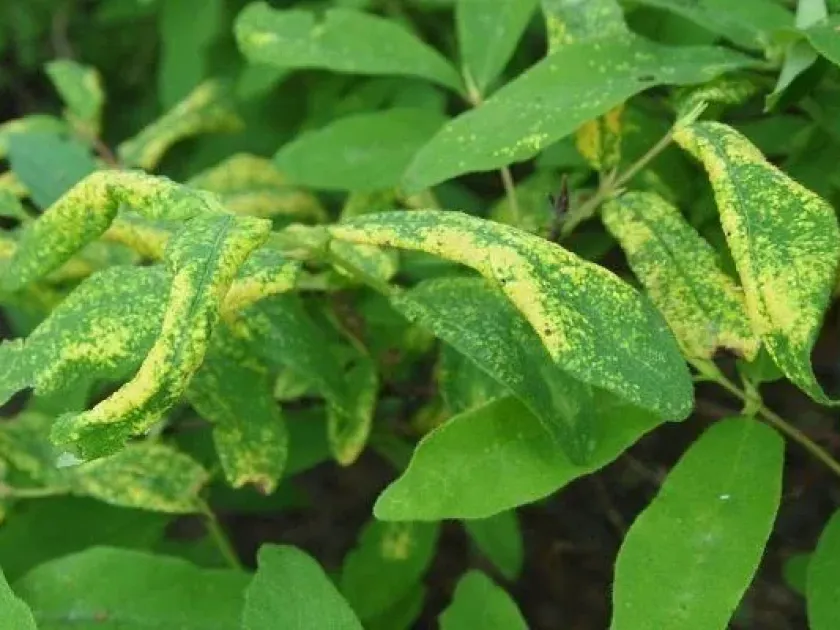
Description
How to identify
Rhyncaphytoptus is a genus of microscopic mites belonging to the family Diptilomiopidae. These tiny arthropods are characterized by their vermiform (worm-like) bodies and are known as eriophyid mites, which are almost invisible to the naked eye.
Adult mites in this genus are typically yellowish or brownish and have a specialized rostrum designed for piercing plant cells. Their small size allows them to hide effectively within the microscopic structures of leaves and bark.
The life cycle consists of the egg, larva, nymph, and adult stages. They develop rapidly during the warm months, allowing multiple generations to emerge within a single growing season, which leads to exponential population growth.
These mites overwinter as fertilized females, seeking refuge in protected sites such as bark crevices, dormant buds, or under scales. This strategy ensures their survival during the cold winter months until spring conditions trigger activity.
As temperatures rise, the females migrate to the newly unfolding leaves. Once they establish colonies, they begin feeding, which marks the start of the primary infestation period for the season.
What it damages
Rhyncaphytoptus mites primarily attack various deciduous trees, including fruit species like pears, apples, and plums, as well as ornamental trees such as maples and oaks. They are highly host-specific in many cases.
Feeding occurs by piercing the epidermis of leaves and sucking out the cellular sap. This feeding process destroys plant cells and significantly disrupts the normal physiological functions of the leaves.
Visible damage includes bronzing or browning of the leaves, particularly on the undersides. Severe infestations can cause leaf curling, malformation, and premature leaf senescence, which weakens the overall tree.
Repeated yearly infestations can lead to reduced tree vigor, diminished fruit quality, and lower overall yields. In nursery settings, this damage can stunt the growth of young saplings, making them less market-ready.
The weakened state of the tree caused by mite feeding often makes it more susceptible to secondary environmental stressors and infections, further complicating the long-term health of the plant.
Signs of infestation
The most reliable sign of a Rhyncaphytoptus infestation is the appearance of a discolored, metallic, or rusty patch on the underside of the leaves. This is often the first indicator of mite activity.
Leaves may show signs of yellowing or chlorosis, followed by curling or inward rolling. The affected leaves often become brittle and may fall from the tree earlier than those on healthy, uninfested plants.
On some host plants, the damage might manifest as minor deformity or pitting on the leaf surface. These signs often go unnoticed until the mite population becomes large enough to cause visible leaf discoloration.
Early-season monitoring is crucial, as the symptoms are subtle. Growers should inspect the undersides of young leaves using a hand lens to detect the presence of the mites themselves or early feeding damage.
A general decline in the tree's canopy density by mid-summer, combined with discolored foliage, is a strong indicator that a significant mite population has been feeding throughout the spring and early summer.
Control measures
Effective management of Rhyncaphytoptus requires an integrated approach. Cultural practices, such as pruning out and destroying heavily infested branches during the dormant season, help reduce the overwintering population.
Chemical control is often necessary during peak activity periods. Targeted acaricides are effective when applied thoroughly, ensuring coverage of the leaf undersides where the mites are primarily located.
- Application of sulfur-based pesticides during the early spring.
- Use of specialized acaricides when mite colonies are detected.
- Encouraging natural predators, such as phytoseiid mites, in the orchard.
Timely application is essential. Once the leaves start to curl or turn brown, the mites are harder to reach with sprays, so preventive monitoring and early treatment are vital for successful results.
Always rotate products with different modes of action to prevent the development of acaricide resistance. Maintaining optimal tree health through proper fertilization and irrigation also helps trees recover from mite feeding.
Taxonomy
- Latin name
- Rhyncaphytoptus
- Order
- Mites
- Family
- Diptilomiopidae
- EPPO code
- RHYKSP
Discussion
No discussions yet — be the first.