
Corn aphid
Rhopalosiphum maidis
Description
How to identify
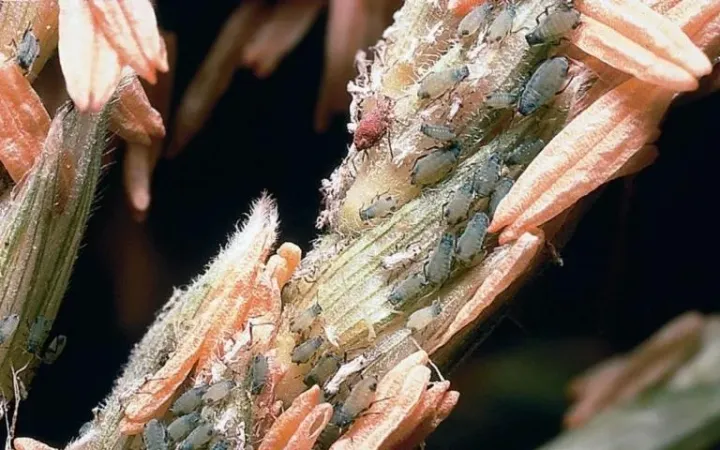
The corn aphid (Rhopalosiphum maidis), belonging to the family Aphididae, is a common pest of maize and other cereal crops. Adults and nymphs typically display a blue-green or grayish-green body, often coated with a fine waxy layer.
Key identification features include short, dark antennae and distinct, black cornicles located on the rear of the abdomen. The legs and head of the aphid are also characteristically dark, often appearing black.
Reproduction is primarily parthenogenic, allowing for rapid colonization of host plants. Throughout the growing season, both winged and wingless forms can be found, with the winged aphids being responsible for dispersing the colony to new areas.
This species is globally distributed in most temperate and tropical maize-growing regions. Its life cycle is heavily influenced by temperature and humidity, with warm conditions favoring rapid population growth.
Beyond direct damage, the corn aphid serves as a significant vector for various plant viruses, including maize dwarf mosaic virus, which can cause severe yield losses regardless of the direct feeding impact.
What it damages
The primary hosts include maize, sorghum, millet, and barley. The aphids congregate on tender plant tissues, particularly young leaves and developing tassels, where sap flow is most abundant.
During the early vegetative stages, aphids settle in the leaf whorls. As the plant enters the reproductive stage, they move to the tassels, interfering with normal pollen shed and hindering successful pollination.
High aphid densities cause mechanical damage to plant cells, leading to leaf curling and stunted growth. The reduction in photosynthetic area significantly impairs the overall vigor and yield potential of the plant.
The insects excrete a sticky substance known as honeydew, which promotes the growth of sooty mold. This black fungus covers the leaf surfaces, further reducing gas exchange and weakening the plant's natural defenses.
Severe infestations frequently result in malformed ears and poorly filled grain kernels. In significant outbreaks, the loss in commercial grain value can be substantial, necessitating management intervention.
When it appears
Initial colonization occurs in late spring or early summer, as winged aphids migrate from wild grasses and wintering hosts. Infestations typically begin in localized patches before spreading across the field.
Peak activity occurs during hot summer months, as these temperatures are optimal for the aphid's reproductive cycle. Rainfall patterns can play a role in suppressing populations, though high humidity is generally favorable.
As the season progresses and plant tissues harden, aphids may migrate to late-season cereal volunteers or weeds. In milder climates, some populations may overwinter in the egg or nymphal stage on host plants.
Field scouting should commence from the 4–6 leaf stage and continue until the milk stage of grain development. Early detection of colonies is critical to minimizing the potential for a field-wide outbreak.
Monitoring using pheromone traps and regular visual inspection of field edges helps determine the optimal timing for control measures. Yearly weather variations often dictate the onset and intensity of aphid presence.
Signs of infestation
The primary sign of infestation is the presence of aphid colonies in the leaf whorls or on the tassels. Careful inspection reveals the blue-green insects gathered in tight clusters.
Ant activity on maize plants is a strong indicator of aphid presence. Ants often associate with aphids to feed on their honeydew, inadvertently protecting the pests from natural predators and encouraging colony growth.
Infested leaves may lose turgidity, curl, and show signs of chlorosis. The presence of black, sooty-looking mold on the foliage is a secondary sign, caused by the colonization of fungi on the aphid excretions.
When the tassels are affected, they often appear underdeveloped and covered in sticky residue, which prevents effective pollen distribution and results in poor ear set.
General crop retardation and reduced plant height compared to neighboring, uninfested plants serve as further evidence of significant aphid pressure within the field.
Control measures
Cultural control measures focus on weed management, as wild grasses serve as primary reservoirs for the pest. Eliminating volunteer cereals during the off-season reduces the initial population pressure.
Optimizing planting dates ensures that the crop passes through its most vulnerable vegetative stages before the peak aphid population develops. Balanced fertilization helps maintain strong, resilient plants.
Biological control relies on conserving natural enemies like lady beetles, lacewings, and syrphid fly larvae. Reducing the use of broad-spectrum insecticides allows these predators to naturally keep aphid numbers in check.
Chemical control is warranted when aphid populations exceed established economic thresholds. Systemic insecticides are generally the most effective, as they are absorbed into the plant sap to target the sucking insects.
To prevent the development of insecticide resistance, it is crucial to rotate active ingredients from different chemical classes. Applications should be timed carefully and performed according to local safety regulations.
Taxonomy
- Latin name
- Rhopalosiphum maidis
- Order
- Hemiptera (bugs, aphids, leafhoppers)
- Family
- Aphididae
- EPPO code
- RHOPMA
Discussion
No discussions yet — be the first.