
Peach aphid
Rhopalosiphum dianthi
Description
How to identify
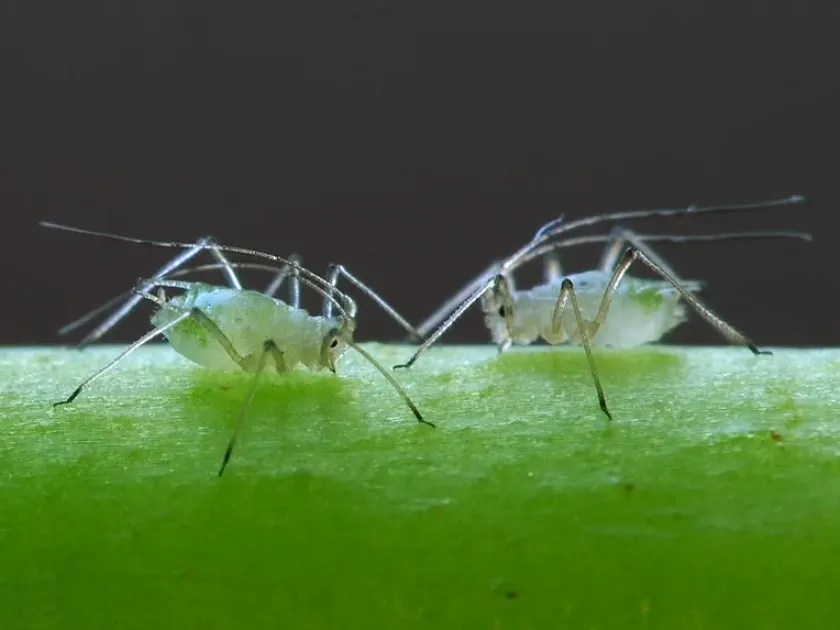
The peach aphid, scientifically known as Rhopalosiphum dianthi, is a significant insect pest belonging to the Aphididae family. These insects are small, with a soft body that typically ranges from pale green to yellowish-brown in color.
The species exists in both wingless and winged forms. The winged adults are capable of flight, which facilitates their spread across orchards and gardens during the growing season.
Life cycles are characterized by rapid reproduction, often through parthenogenesis during the warmer months. This allows the population to reach damaging numbers in a very short period of time.
Overwintering occurs in the egg stage, with eggs typically deposited in the crevices of bark on young shoots of fruit trees, ensuring survival through harsh winters.
Morphologically, they possess distinct cornicles on their abdomen, which are used for secreting defensive fluids that help them repel predators like ladybugs or lacewings.
What it damages
The primary hosts for this aphid species are trees within the Prunus genus, particularly peach and nectarine trees. However, they also infest a variety of other ornamental and garden plants.
By feeding on the sap of young shoots and foliage, the aphids deprive the plant of vital nutrients. This leads to reduced growth rates, stunted development, and a general weakening of the tree's immune system.
Heavy infestations result in leaf curling, yellowing, and eventual necrosis of the damaged tissues. In severe cases, the tree may lose a significant portion of its leaves, affecting fruit set and size.
Critically, the peach aphid acts as a vector for various plant viruses. When the aphid feeds, it can transmit pathogens directly into the plant's vascular system, causing long-term damage that is harder to treat than the aphid infestation itself.
The secretion of honeydew promotes the growth of sooty mold, which coats the leaves, blocks sunlight, and reduces the efficiency of photosynthesis throughout the canopy.
When it appears
The cycle begins in early spring, as soon as the weather warms and buds start to burst on host trees. This is when the overwintering eggs hatch into stem mothers.
Spring and early summer represent the peak period of activity, where exponential population growth occurs due to favorable temperatures and the availability of lush, new plant growth.
During mid-summer, when the foliage on host trees may harden, some individuals migrate to secondary host plants, such as various weeds or garden flowers, to continue their life cycle.
As autumn approaches, the aphids migrate back to the primary fruit tree hosts. This phase is essential for the production of the winter-hardy eggs that will sustain the population until the next year.
Temperature patterns are the primary driver of this species' dynamics, with moderate, humid weather conditions being the most conducive to rapid population explosions.
Signs of infestation
Leaf curling on the tips of new growth is the most recognizable early sign of a peach aphid infestation. The aphids hide inside these protected, rolled-up leaves.
The presence of honeydew, a sticky, sugary substance covering the leaves and branches, is a clear indicator of aphid activity. This substance often attracts ants and wasps to the infested areas.
The appearance of black sooty mold on the foliage and branches is a sign that the infestation has been present for a significant duration, indicating the need for immediate intervention.
Ant activity on the trunks and branches of the tree is a strong indicator of an aphid colony nearby. Ants "farm" the aphids, protecting them in exchange for the sugary honeydew they produce.
Reduced vigor and wilting of new succulent shoots, despite sufficient watering, serve as further evidence that the plant is being drained of its vital sap by a high concentration of aphids.
Control measures
Cultural control practices, such as maintaining healthy tree vigor through proper pruning and irrigation, help trees withstand lower levels of aphid pressure. Removing weeds around the orchard base reduces alternative hosts.
Biological control is highly recommended where possible. Encouraging natural predators like ladybird beetles, lacewing larvae, and hoverflies can significantly keep aphid numbers below the economic threshold.
Chemical control should be targeted during the early stages of infestation. Using systemic insecticides can provide long-lasting protection by ensuring that the aphid consumes the poison while feeding on the sap.
- Applying dormant oil sprays in late winter to kill overwintering eggs
- Using sticky traps or bands to prevent ants from protecting aphid colonies
- Spot-treating localized colonies with insecticidal soaps or oils
- Regular canopy monitoring during the spring flush
When choosing pesticides, prioritize options that have minimal impact on beneficial insects. Always follow manufacturer guidelines regarding application timing to avoid leaving toxic residues on ripening fruit.
Taxonomy
- Latin name
- Rhopalosiphum dianthi
- Order
- Hemiptera (bugs, aphids, leafhoppers)
- Family
- Aphididae
- EPPO code
- RHOPDI
Discussion
No discussions yet — be the first.