
Rhopalomyia
Rhopalomyia
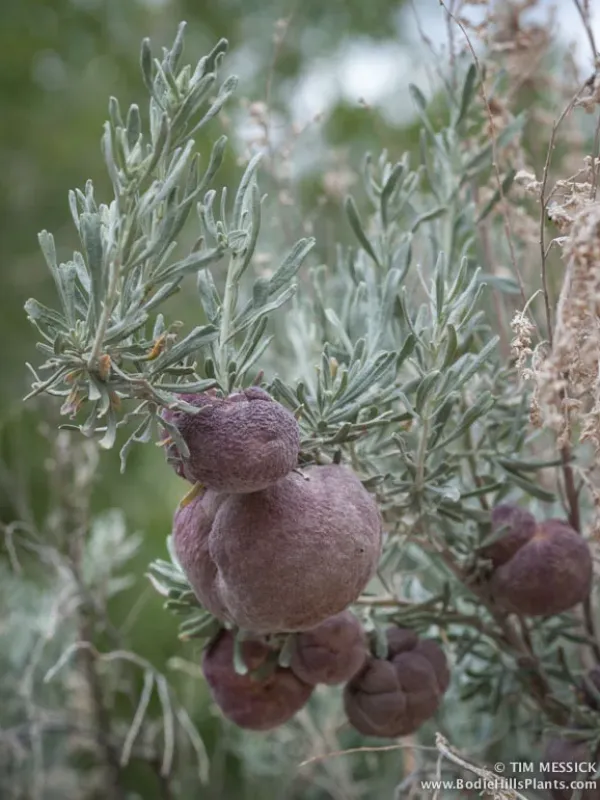
Description
How to identify
Rhopalomyia is a genus of gall midges in the family Cecidomyiidae (order Diptera). These are minute insects, typically reaching only 2 to 3 millimeters in length.
Adults resemble tiny flies with slender legs and transparent wings. Their primary activity is focused on finding suitable host plants for oviposition.
The larvae are legless, usually light, yellowish, or orange in color. This stage is the most destructive as it causes systemic changes in the host plant's physiology.
Different species within the genus are highly specialized, often targeting specific members of the Asteraceae family. Identification is usually performed by analyzing the shape of the galls they produce.
Because the larvae live sheltered inside plant tissues, infestations are often overlooked until visible deformations or growths appear on the plant surface.
What it damages
The primary hosts of Rhopalomyia are various ornamental plants, most notably chrysanthemums. Some species also target wormwood and other related Asteraceae.
The damage is caused by the larvae, which secrete substances that induce the plant to form galls. These structures provide both food and protection for the developing larvae.
As the plant diverts nutrients and energy toward gall formation, its overall vigor declines, leading to stunted growth and reduced ornamental value.
In cases of severe infestation, the plant may fail to produce flowers, or the blossoms may be deformed and unmarketable.
Heavy pressure from these pests can lead to the wilting and eventual death of individual stems or the entire plant if the infestation is not managed properly.
When it appears
The life cycle of Rhopalomyia is synchronized with the host plant's growth phases. Adult midges typically emerge in spring to begin the reproductive cycle.
Females deposit eggs on young leaves or buds. The emerging larvae quickly bore into the plant tissue, triggering the development of the gall.
Multiple generations can occur within a single growing season, provided that weather conditions remain favorable for the development of the midge.
Overwintering occurs primarily as larvae or pupae inside the galls, often on old plant debris or within the soil surface near the host.
Temperature is a key factor in development; in greenhouses or mild climates, the pest can continue its life cycle almost uninterrupted throughout the year.
Signs of infestation
The presence of galls, which appear as abnormal growths or swellings on stems, leaves, or buds, is the primary diagnostic sign of Rhopalomyia.
On chrysanthemums, growers often observe small, cone-shaped projections on the underside of the leaves, which are tell-tale indicators of infestation.
The surrounding leaf tissue often becomes discolored, chlorotic, or twisted as the plant responds to the presence of the feeding larvae.
- Presence of irregular nodules or cone-shaped swellings on foliage.
- Delayed or aborted flowering stages.
- Stunted development of apical shoots.
- Localized tissue necrosis around the gall site.
Dissecting a fresh gall usually reveals the larvae, providing definitive evidence of the infestation source.
Control measures
Controlling Rhopalomyia is challenging because the larvae are protected inside the gall, making them resistant to contact-based insecticides.
Sanitation is the most effective management strategy. All infested plant parts must be pruned and destroyed (burned or bagged) before the adults emerge.
For commercial settings or severe outbreaks, systemic insecticides are recommended, as they enter the plant's vascular system to reach the feeding larvae.
Yellow sticky traps are useful for monitoring the population of adults and timing prophylactic measures during the flight period.
Good agricultural practices, including thorough cleaning of plant debris after the season and soil disinfection, are essential to minimize the pest load for the following year.
Taxonomy
- Latin name
- Rhopalomyia
- Order
- Diptera (flies)
- Family
- Cecidomyiidae
- EPPO code
- RHOYSP
Discussion
No discussions yet — be the first.