
Rose aphid
Rhodobium porosum
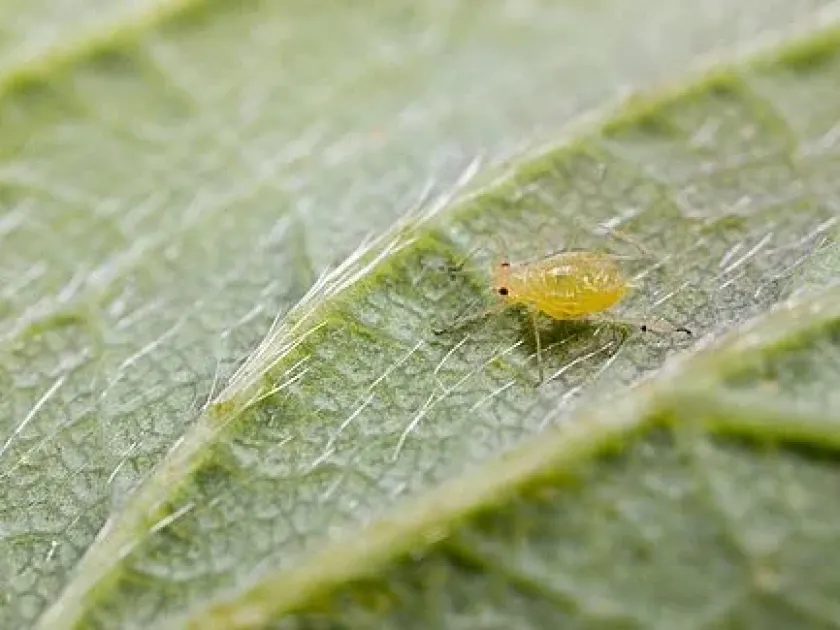
Description
How to identify
The rose aphid (Rhodobium porosum) is a specialized insect pest belonging to the Aphididae family. It is distinct from other aphid species due to its specialized adaptation to the genus Rosa.
These small insects typically measure between 1.5 and 2.5 mm in length. Their coloration ranges from pale green to translucent yellow or light pink, providing effective camouflage against rose foliage.
The life cycle involves parthenogenesis, allowing populations to explode within a short period. This rapid reproduction is a key factor in their ability to cause widespread damage in gardens.
Adult aphids may be apterous (wingless) or alate (winged). Winged forms are particularly important for the colonization of new plants and the dispersal of the pest across a garden or field.
They possess long cornicles (siphunculi) and antennae, which are important features for microscopic identification of the species within the diverse aphid complex.
What it damages
Rhodobium porosum feeds primarily on the tender shoots, buds, and the underside of leaves of rose plants. By piercing the plant tissue, they extract nutrient-rich phloem sap.
This feeding process results in reduced plant vigor, stunted growth, and the development of chlorotic or twisted foliage. The damage directly impacts the aesthetic and biological health of the rose bushes.
Aphids transmit harmful plant viruses while feeding. These viral infections are often more damaging than the feeding itself, as they can cause systemic issues throughout the host plant.
Infested buds often become distorted, leading to malformed flowers that fail to open properly or suffer from petal discoloration, rendering them commercially non-viable.
The constant drain of sap causes significant stress, making the plants more susceptible to secondary attacks from other pests or opportunistic fungal pathogens.
When it appears
The activity cycle of the rose aphid starts in early spring, synchronized with the bud break of rose bushes. The population increases rapidly as temperatures rise in late spring.
The peak period for infestation is typically late May through June, when the plant is pushing out new, tender growth that the aphids prefer for their high nutritional content.
During the summer months, reproduction remains steady if environmental conditions are favorable, though extreme heat can slightly decrease population pressure.
In late summer and early autumn, the aphids prepare for winter by producing sexual forms that lay eggs in crevices of the rose stems or near the root zone.
Monitoring should be most intense during the pre-blooming phase, as early detection of the founding females can prevent the need for heavy chemical intervention later.
Signs of infestation
Distorted leaves and twisted, stunted shoot tips are the most visible indicators of a heavy rose aphid infestation. The overall appearance of the plant becomes wilted.
The presence of honeydew, a sticky, sugary substance secreted by the aphids, is a primary sign. This substance often leads to the growth of unsightly black sooty mold on the leaves.
Increased activity of ants on the plant is a strong indicator of aphid presence. Ants protect the aphids from predators to continue harvesting the honeydew secretion.
Bud malformation is a common symptom; the buds may look lumpy or stunted, and the flowers often fail to achieve their full size or expected color vibrancy.
White shed skins, or exuviae, left behind by the aphids after molting are often clearly visible on the leaf surface, confirming that the colony is actively developing.
Control measures
Cultural control is the first line of defense. This includes avoiding excessive nitrogen fertilization, which promotes soft, succulent growth that is highly attractive to aphids.
Biological control is highly effective for home gardens. Encouraging natural predators such as lady beetles, lacewings, and hoverflies can keep aphid populations below the threshold.
Physical removal is a simple and immediate solution for minor infestations. A strong stream of water can dislodge the aphids, physically damaging the colony.
Chemical control should be reserved for severe outbreaks. Use systemic insecticides that are labeled safe for roses, ensuring applications are made at times when pollinators are not active.
- Regular pruning and thinning to improve airflow and reduce humidity levels.
- Managing ant populations to eliminate the protective 'bodyguards' of the aphid colonies.
- Applying insecticidal soaps or horticultural oils as a low-impact treatment option.
Taxonomy
- Latin name
- Rhodobium porosum
- Order
- Hemiptera (bugs, aphids, leafhoppers)
- Family
- Aphididae
- EPPO code
- METOPO
Discussion
No discussions yet — be the first.