
Raspberry cane midge
Resseliella yagoi
Description
How to identify
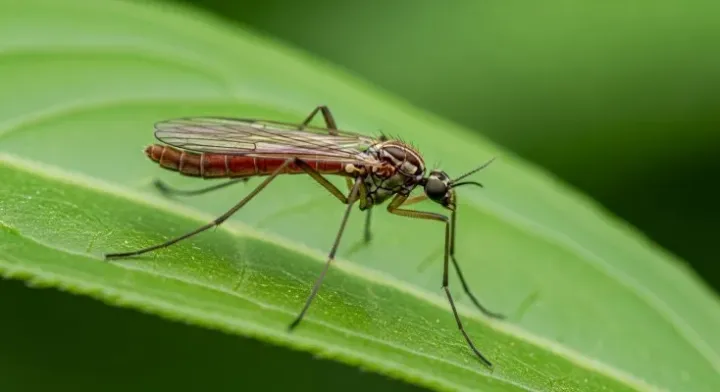
The raspberry cane midge (Resseliella theobaldi) is a small dipteran insect belonging to the family Cecidomyiidae. The adults are tiny, fragile flies that are rarely noticed by casual observers.
The larvae are the destructive stage of the pest. These legless, maggot-like creatures are typically yellowish-white and aggregate under the bark of raspberry canes where they feed.
What it damages
This pest is specific to raspberries (Rubus idaeus). The larvae feed on the cambium layer of the canes, which is vital for nutrient and water transport within the plant.
Feeding activity often leads to localized cell death. This disrupts the plant's vascular system, often causing cane dieback, weakening of the plant, and significant yield loss.
When it appears
The emergence of adults occurs in late spring, aligning with the rapid growth phase of the new raspberry primocanes. Monitoring these periods is essential for effective timing.
The midge can complete multiple generations in a single growing season, depending on local climate conditions and temperature fluctuations during the spring and summer months.
Signs of infestation
Initial signs include splitting or flaking of the epidermis on young raspberry canes. These fissures serve as entry points for the adult female to deposit her eggs.
Dark, necrotic patches appear on the stems where the larvae have been feeding. If the infestation is severe, these patches can girdle the stem, killing the entire cane above that point.
During windy conditions, canes weakened by the midge are prone to snapping at the point of damage, leading to visible gaps in the raspberry canopy.
Control measures
Sanitation is the cornerstone of control. Regularly inspect the raspberry patch and prune out any canes showing signs of splitting or infestation, destroying them immediately.
Preventing mechanical damage to the canes is crucial, as the adult female is attracted to existing cracks in the bark to lay her eggs during the spring season.
If chemical intervention is necessary, timing is everything. Apply registered insecticides precisely during the adult flight period to interrupt the egg-laying cycle.
Maintaining optimal spacing between canes allows for better airflow and light penetration, creating a less favorable microclimate for the midge larvae to thrive.
Taxonomy
- Latin name
- Resseliella yagoi
- Order
- Diptera (flies)
- Family
- Cecidomyiidae
- EPPO code
- RESSYA
Discussion
No discussions yet — be the first.