
Currant shoot midge
Resseliella vespicoloris
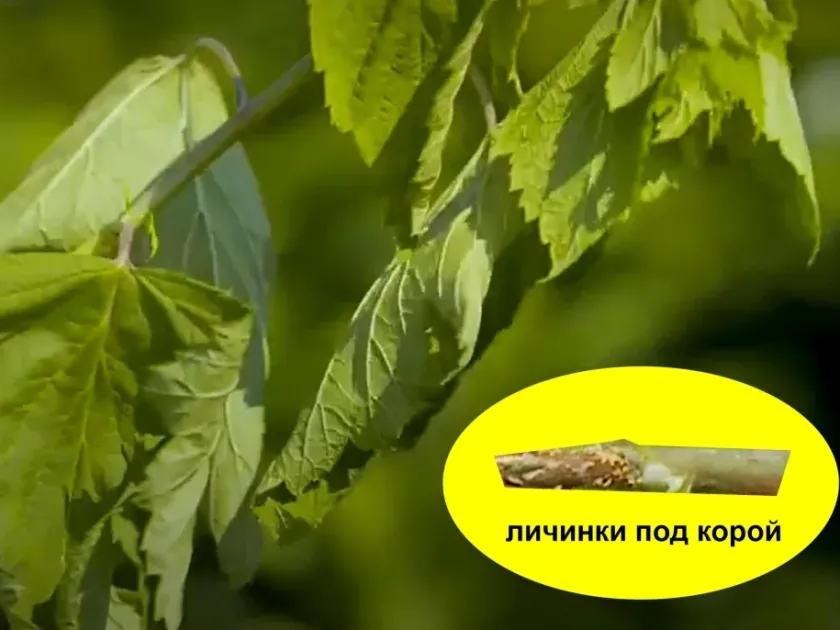
Description
How to identify
The Currant shoot midge (Resseliella vespicoloris) is a small dipteran insect belonging to the Cecidomyiidae family, known for its ability to damage berry shrubs.
Adult insects are tiny midges, measuring about 2-3 mm, which can be easily overlooked due to their small size and cryptic behavior in the garden environment.
The larvae are the destructive stage of this pest; they are elongated and shift in color from pale white to a vibrant orange or red as they mature.
The female midges possess a delicate ovipositor designed to insert eggs into the cracks and crevices of the bark on young, succulent shoots of the currant plants.
Understanding their morphology is crucial for monitoring, as detecting the presence of these tiny flies is the first step toward effective pest management.
What it damages
The primary host plants for this pest are black, red, and white currants, where the larvae feed on the inner tissues beneath the bark layer.
By feeding on the cambium and phloem, the larvae disrupt the nutrient flow to the upper parts of the shoot, causing the distal part to wilt and eventually die.
High levels of infestation can result in the loss of a significant portion of new growth, which severely reduces the yield potential of the bush for the following season.
Weakened shoots become highly susceptible to environmental stress, including winter frost, as the damage impairs the plant's ability to harden off properly before cold weather.
The structural damage caused by the larvae creates entry points for fungal pathogens, which can colonize the weakened wood and cause premature plant decay.
When it appears
The life cycle of the currant shoot midge begins in the spring, with adult emergence typically coinciding with the flowering period of the host currant bushes.
During the summer months, the pest goes through several overlapping generations, leading to a continuous threat to developing shoots throughout the active growth period.
In mid-summer, when the shoots are most actively growing and the bark is softest, the populations tend to reach their peak levels of damage.
As autumn approaches, the final generation of larvae finishes feeding and descends into the soil to build protective cocoons for the overwintering stage.
Weather patterns, particularly warm and humid conditions, significantly favor the survival and reproduction rate of this midge species during the growing season.
Signs of infestation
Visible symptoms often appear as localized, depressed, or discolored areas of bark on younger shoots, often showing a brownish or reddish tint.
Upon peeling back the affected bark, one can observe clusters of small, orange-colored larvae actively feeding on the tissue underneath.
Affected shoots often show symptoms of decline such as chlorosis, wilting of leaves, and eventually, the total dieback of the shoot above the point of infestation.
The structural integrity of the shoot is compromised, and it will often break easily at the site of the damage when subjected to wind or mechanical stress.
- Darkened, sunken patches on bark.
- Yellowing and wilting of terminal growth.
- Presence of orange larvae under the bark.
- Brittle wood at the damage site.
- Premature dieback of branches.
Control measures
Sanitation is the most effective approach; pruning out and immediately destroying infested shoots helps significantly reduce the population of the pest.
Maintaining healthy, vigorously growing plants through proper fertilization and irrigation helps the currant bushes better withstand minor infestations.
Chemical control can be applied during the adult flight period, targeting the midges before they have the opportunity to lay eggs on the shoots.
Soil management, such as applying mulch or light cultivation around the base of the bushes, can disrupt the lifecycle of larvae transitioning to the pupal stage.
Integrated Pest Management (IPM) practices should be employed, combining physical removal with targeted biological or chemical interventions for the best results.
Taxonomy
- Latin name
- Resseliella vespicoloris
- Order
- Diptera (flies)
- Family
- Cecidomyiidae
- EPPO code
- PROFVE
Discussion
No discussions yet — be the first.