
Olive gall midge
Resseliella oleisuga
Description
How to identify
The olive gall midge (Resseliella oleisuga) is a tiny insect belonging to the order Diptera and the family Cecidomyiidae. Adult specimens are delicate, gnat-like insects with slender legs and transparent wings, typically active during warmer periods.
The larvae of this pest are elongated and exhibit a distinctive pinkish-orange or yellowish hue. It is the larval stage that inflicts damage, as these insects feed on the cortical and cambium tissues of the olive tree branches.
The life cycle of the gall midge is synchronized with the physiological state of the olive tree. Because adults are minuscule and difficult to observe, specialists often identify the presence of this pest by inspecting the wooden surface of the tree.
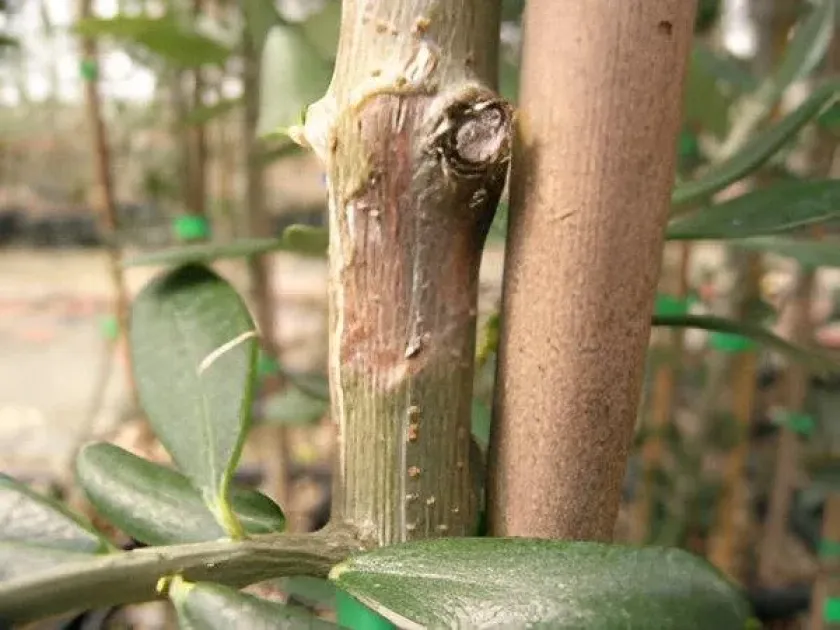
A key diagnostic feature is the appearance of grooves or furrows created by larvae directly beneath the bark. In cases of high infestation, the colonies of larvae cause visible structural changes and deformation on the bark surface.
The insect typically completes multiple generations within a single season. The development rate and speed of the life cycle are heavily dependent on environmental factors, specifically temperature and humidity within the orchard canopy.
What it damages
The primary host for this pest is the olive tree (Olea europaea). The midge preferentially targets young shoots and branches where the bark is soft enough for larvae to penetrate and establish feeding sites.
By consuming the cambium and phloem layers, the larvae disrupt the plant's vascular transport system. This interference prevents the normal flow of nutrients, negatively impacting the growth and overall vitality of the tree branches.
As the damage progresses, affected branches become fragile and are susceptible to breakage from wind or their own weight. Prolonged infestation can lead to the necrosis and death of entire sections of the canopy.
Physical damage to the bark creates entry points for various fungal and bacterial pathogens. These secondary infections significantly complicate the plant's recovery and often exacerbate the damage caused directly by the midge larvae.
Economic consequences include reduced yields due to tree stress and the increased costs associated with sanitation and pest management. Severe infestations can even threaten the survival of young saplings in new plantations.
Signs of infestation
The most prominent sign of infestation is the appearance of longitudinal cracks or tears in the bark of young branches. In damaged areas, the bark may appear raised, warped, or ruptured.
If the bark is carefully peeled away at these sites, the characteristic pinkish larvae can be found in groups. They are usually located within small, excavated niches created by their feeding activity inside the wood.
Over time, the affected bark dries out, leading to necrotic spots. Leaves located above the damaged areas often yellow and fall off prematurely, resulting in a thin and unhealthy appearance of the foliage.
A thinned canopy and the dieback of terminal shoots are classic visual symptoms. These signs are often mistaken for other common pests, making thorough inspection of the branches during the spring and summer crucial for accurate diagnosis.
The presence of fine frass or larval excrement trapped beneath the loose bark is a definitive sign of an active infestation. Regular monitoring is essential to catch and manage the population before it causes widespread damage.
Control measures
The most effective cultural management practice is the systematic pruning and destruction of infested branches. Removing the branches containing larvae helps to drastically lower the pest population and prevents further spread.
It is vital to remove and burn the pruned material immediately. Leaving debris in the orchard serves as a breeding ground for future generations of the midge, negating the efforts made during the pruning process.
Maintaining optimal orchard health through balanced fertilization and irrigation enhances the tree's natural resilience. Healthy trees recover faster from larval attacks and are less attractive to opportunistic pests.
Chemical control should be reserved for cases of severe infestation. Applications of systemic insecticides should be timed during the peak flight of adults to prevent the infestation of new growth by the next generation of larvae.
Biological control methods focus on conserving natural predators and parasitoids in the orchard. Reducing the frequency of broad-spectrum pesticide applications helps maintain a healthy ecosystem of beneficial insects that predate on the gall midge.
Taxonomy
- Latin name
- Resseliella oleisuga
- Order
- Diptera (flies)
- Family
- Cecidomyiidae
- EPPO code
- CLINOL
Discussion
No discussions yet — be the first.