
Lavender gall midge
Resseliella lavandulae
Description
How to identify
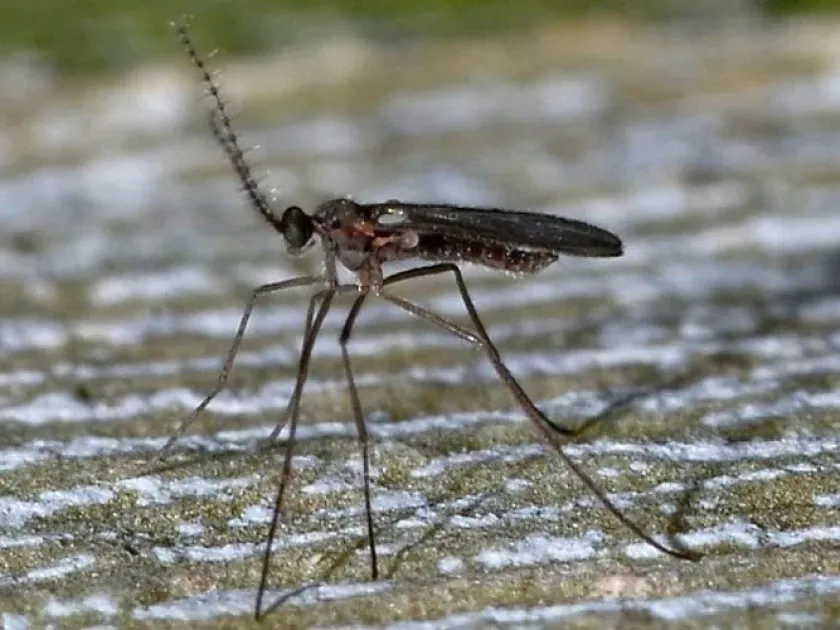
The lavender gall midge (Resseliella lavandulae) belongs to the Cecidomyiidae family, commonly known as gall midges, within the order Diptera.
The adults are very small, delicate flies resembling mosquitoes, usually difficult to spot without specialized monitoring traps due to their size.
The larvae are the stage most responsible for plant damage; they appear as small, spindle-shaped, yellow-to-orange maggots hiding within the plant tissue.
The life cycle involves multiple generations per year, which allows the population density to increase rapidly if conditions remain favourable.
Understanding their biology is essential for integrated pest management, as the timing of control measures must align with the adult emergence phase.
What it damages
The primary host for Resseliella lavandulae is the lavender plant (Lavandula), particularly targeting young, actively growing shoots.
Larvae feed on the sap and internal tissues of the stem, causing significant physiological stress to the plant and disrupting nutrient transport.
This feeding activity leads to stunted growth, twisting of stems, and, in severe cases, the complete necrosis of the apical parts of the shoot.
Reduced flower production significantly impacts the yield of essential oil, which is the main economic goal of commercial lavender farming.
Weakened plants are subsequently more susceptible to secondary environmental stresses, such as drought or fungal infestations, leading to stand decline.
When it appears
Adult midges typically emerge in spring, coinciding with the beginning of the lavender's vegetative growth cycle when new shoots become available.
The peak activity and the highest levels of larval infestation are generally recorded during the warm and humid months of the growing season.
Multiple overlapping generations can occur, meaning the risk of re-infestation persists until the temperatures drop significantly in autumn.
Overwintering occurs primarily in the pupal or larval stage, sheltered within the soil layer or inside the debris of harvested lavender stalks.
Farmers are advised to place sticky traps during the early spring to monitor the arrival of the first adults and adjust their protective measures accordingly.
Signs of infestation
The most visible symptom is the deformation of the young shoots, which appear twisted, curled, or stunted compared to healthy plant branches.
Localized browning or darkening of the stem tissue is often observed at the site of larval feeding, indicating internal damage to the vascular system.
- Discoloration and chlorosis of the shoot tips.
- Premature flower drop or failure to bloom.
- General lack of vigor in specific patches of the plantation.
- Internal galleries visible upon dissecting the stem.
Persistent monitoring of these symptoms allows for early detection before the damage becomes widespread across the entire field.
Control measures
Sanitation is a critical control measure: infected shoots should be pruned immediately and removed from the field to reduce the pest reservoir.
Mechanical cultivation of the soil between the rows is recommended to disturb the overwintering pupae and larvae, effectively reducing the next generation's size.
Systemic insecticides are often employed when the midge population exceeds economic thresholds, focusing on periods of peak adult activity.
Biological control, such as the use of predatory insects or entomopathogenic fungi, can be integrated into the management strategy to minimize chemical use.
Maintaining strong, healthy plants through proper fertilization and irrigation helps the lavender crop recover more efficiently from minor infestations.
Taxonomy
- Latin name
- Resseliella lavandulae
- Order
- Diptera (flies)
- Family
- Cecidomyiidae
- EPPO code
- RESSLA
Discussion
No discussions yet — be the first.