
Resseliella
Resseliella
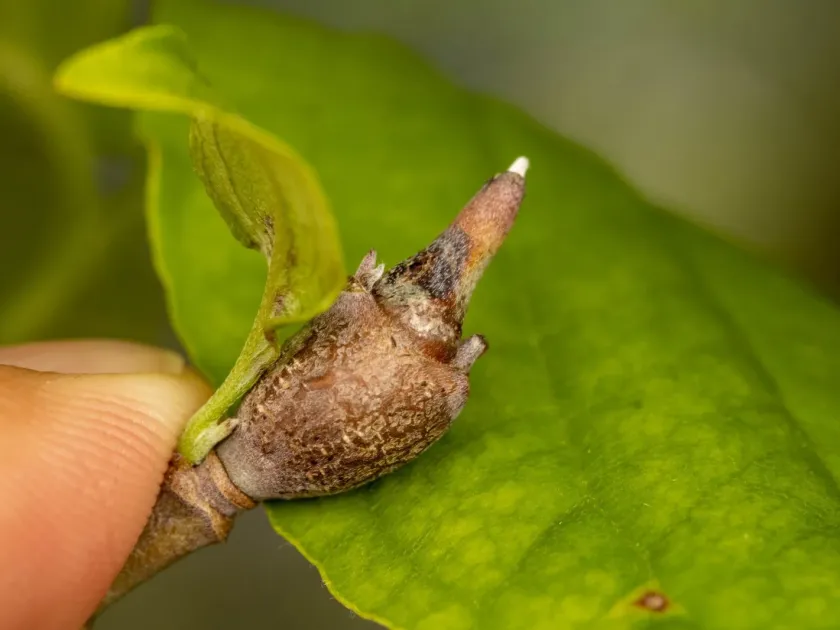
Description
How to identify
Resseliella is a genus of gall midges in the family Cecidomyiidae (order Diptera). These are tiny insects resembling minuscule mosquitoes, with larvae that act as significant plant pests.
Adults have a very short lifespan, with their primary function being to lay eggs in bark crevices or plant tissues. The larvae are legless, often bright orange or reddish, which makes them visible during a close inspection of infested areas.
Identification is challenging due to the microscopic size of the adults. The presence of the pest is usually detected by the activity of its larvae, which congregate in colonies beneath the bark or within the cambium layer.
The genus includes numerous species, each specialized for specific crops such as raspberries, currants, or coniferous trees. Species differentiation is typically based on the host plant and the specific site of larval colonization.
These pests generally overwinter in the larval stage, either in the soil or within plant debris, which ensures high survival rates even under harsh climatic conditions.
What it damages
Damage is caused by larvae that feed on plant sap, destroying vascular tissues. This disrupts nutrient flow to higher parts of the plant, leading to eventual tissue necrosis and death.
Berry shrubs, such as raspberries and currants, are frequently affected. Larvae colonize the lower sections of stems, causing bark cracking and promoting the development of fungal infections at the injury sites.
Beyond berry bushes, certain species infest conifers, dwelling under the bark of young shoots or trunks, which can result in the death of seedlings in tree nurseries.
Significant damage is inflicted on commercial produce quality. The weakening of the plant leads to reduced yields, and in severe cases, the entire cane or shrub may die off.
Damaged tissues become entry points for secondary infections like anthracnose or various types of necrosis, further compromising the plant's overall vitality.
When it appears
Adult emergence typically begins in the spring, during the bud-burst period, and is synchronized with the warming of the soil.
The pest can undergo several generations per season. The number of generations depends on weather conditions, as warm and humid summers facilitate mass reproduction.
The peak activity for egg-laying often coincides with the onset of sap flow in host plants. During this period, plant tissues are most vulnerable to larval penetration.
By late summer and autumn, larval development slows down as they prepare for diapause, ensuring successful overwintering.
Population dynamics are subject to seasonal fluctuations, but when favorable conditions prevail, the pest can form persistent infestation hotspots within a plantation.
Signs of infestation
The primary external sign is the appearance of dark spots, discoloration of the bark, and vertical cracking on the lower stems of shrubs.
Peeling back the loose bark usually reveals colonies of small, reddish larvae. Often, gummosis or sap leakage is observed at the affected sites.
In early stages, plants may show signs of stress: chlorosis of leaves, premature yellowing, and the wilting of individual branches or canes.
A characteristic sign is localized wilting, where neighboring plants may appear healthy, indicating a specific, concentrated infestation area.
In coniferous plantations, signs include the distortion of young shoots and browning needles, caused by the interruption of essential nutrient transport.
Control measures
The primary control measure is sound agronomic practice: removing and immediately destroying infested shoots to prevent the further spread of larvae.
Protecting the bark from mechanical injury is crucial, as pests primarily enter the plant tissues through these accidental openings.
Chemical control is effective during the adult emergence period. Using systemic insecticides can neutralize the pest before egg-laying occurs.
Biological control methods include the use of natural predators or biopesticides that target larval stages, providing an eco-friendly approach for smaller gardens.
Regular monitoring of plantations during the spring and summer is essential to detect early infestation sites and implement timely protective measures.
Taxonomy
- Latin name
- Resseliella
- Order
- Diptera (flies)
- Family
- Cecidomyiidae
- EPPO code
- RESSSP
Discussion
No discussions yet — be the first.