
Cattle ear mite
Raillietia auris
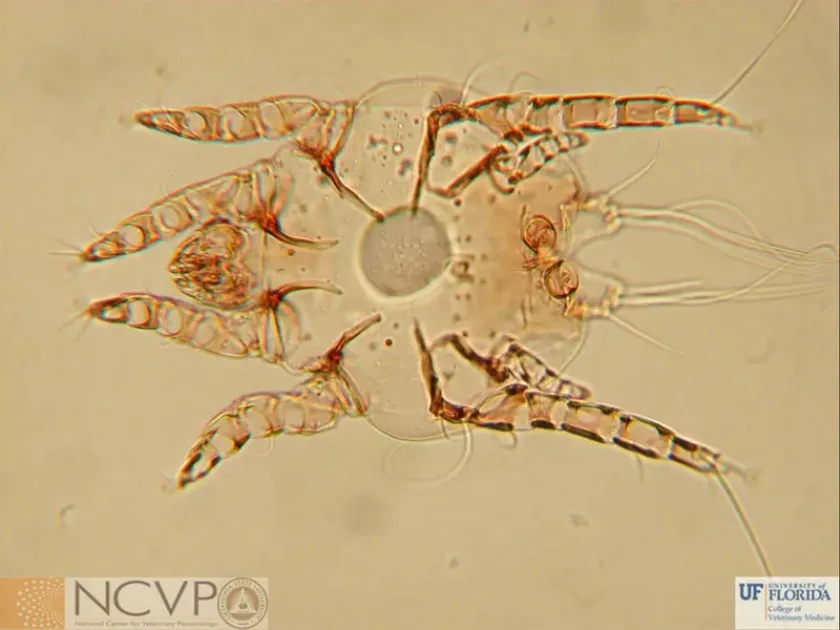
Description
How to identify
Raillietia auris is a species of gamasid mite belonging to the Raillietiidae family, specifically adapted to parasitize the ear canals of cattle.
These mites are small, oval-shaped parasites that typically measure around 1-1.5 mm, characterized by their reddish-brown coloration and robust legs.
The entire life cycle of Raillietia auris—from eggs to adults—occurs deep inside the ear of the host, thriving in the earwax and skin debris.
Female mites lay eggs in the auditory canal, where larvae hatch and immediately begin feeding on the epithelial cells and secretions of the host.
Large colonies of these mites can inhabit a single ear, creating a dense layer of parasites that obstruct the natural physiological processes of the ear canal.
What it damages
It is important to note that this organism is not a plant pest; it is a significant veterinary pathogen impacting the health and productivity of cattle.
The primary damage is caused by the mechanical trauma inflicted by the mites' mouthparts, which pierce the skin, causing severe inflammation and irritation.
Constant itching and pain lead to significant stress for the cattle, which negatively affects milk production, growth rates, and overall animal welfare.
If left untreated, secondary bacterial infections often develop, leading to chronic otitis media which may cause permanent hearing damage in livestock.
Economic losses in cattle farming are significant due to the costs of veterinary treatments and the reduced physiological performance of infected animals.
Signs of infestation
Clinical signs include excessive shaking of the head, frequent ear scratching, and unusual sensitivity when the ear area is touched or handled.
Visual inspection of the auditory canal reveals dark, waxy debris and thick discharge, often associated with a distinct, foul odor.
The skin inside the ear canal appears inflamed, red, and swollen, often with visible patches of dried serum resulting from the mites' feeding activity.
Affected cattle may exhibit behavioral changes, including irritability, reduced appetite, and a reluctance to associate with the rest of the herd.
In severe cases, the ear canal may be partially or fully blocked by the mass of mites and exudate, significantly impairing the animal's hearing.
Control measures
Control strategies involve the administration of veterinary-approved acaricidal agents, often delivered via topical ear drops or injectable antiparasitic drugs.
Strict quarantine measures should be implemented for any individual exhibiting signs of infestation to prevent the spread to the rest of the herd.
Maintaining high standards of farm hygiene, including the disinfection of handling tools, is critical in breaking the life cycle of the parasite.
Regular veterinary health screenings and early diagnosis are the most effective ways to manage the impact of this mite in cattle farming.
- Topical acaricide treatment.
- Isolation of infected individuals.
- Routine veterinary inspections.
- Hygiene management in barn facilities.
Taxonomy
- Latin name
- Raillietia auris
- Order
- Mites
- Family
- Laelapidae
- EPPO code
- RAILAU
Discussion
No discussions yet — be the first.