
Willow gall midge
Rabdophaga triandraperda
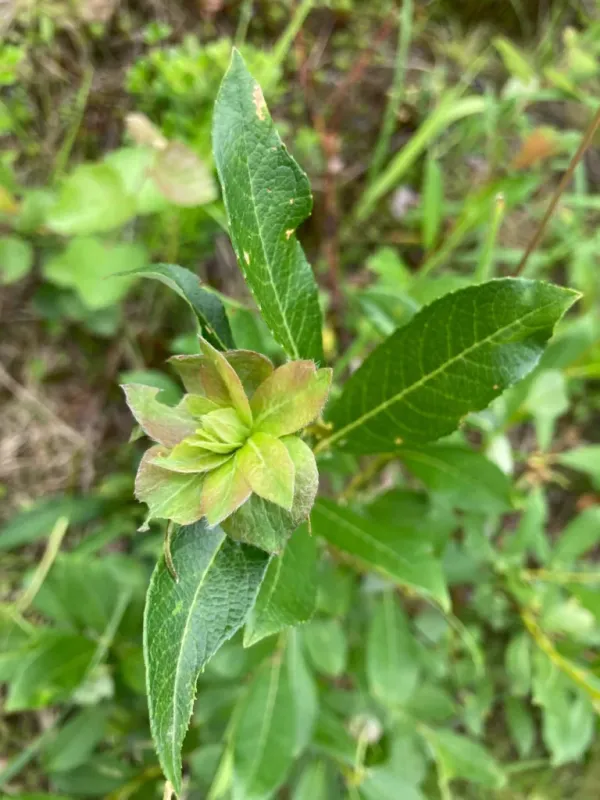
Description
How to identify
The willow gall midge (lat. Rabdophaga triandraperda) is a small insect of the order Diptera, belonging to the family Cecidomyiidae. Externally, the adult resembles a tiny gnat, but the primary damage is caused by the larval stage, which develops inside the plant tissues.
The life cycle of the insect is closely linked to the seasonal rhythms of willow growth. Larvae overwinter in their feeding sites — under the bark or in the wood of the shoots. In spring, after pupation, adults emerge to mate and lay eggs.
The female lays eggs into the bark cracks or mechanical injuries of young willow branches. The fecundity of a single female can be significant, allowing the pest to colonize large plantation areas rapidly.
Larval development occurs covertly. They feed on the inner shoot tissues, causing characteristic pathological outgrowths. The rate of generation development depends directly on the ambient temperature during the spring-summer period.
On willow plantations, the pest can produce one or two generations per year, depending on regional climatic conditions. Population monitoring is conducted by inspecting shoot bark for entry holes and deformities.
What it damages
The main target for infestation is willow, with a preference for certain species cultivated for basketry. The pest primarily attacks young shoots of the current and previous year's growth.
Damage to the shoots leads to the disruption of normal sap flow in the plant. Due to the compromised tissue integrity, the flexibility of the willow rod is reduced, making it unsuitable for industrial basketry use.
In areas where larvae congregate, death of the cambial layer and affected bark patches is observed. This creates "entry gates" for secondary infections, including fungal diseases, which accelerate shoot dieback.
During mass outbreaks of the gall midge, willow bushes lose their aesthetic and economic value. Damaged branches become brittle and break under wind pressure or snow weight during the winter season.
Economic damage is reflected in a reduced yield of high-grade commercial timber (rods). In willow plantations, this necessitates regular sanitary pruning and disposal of infested material.
Signs of infestation
The main sign of gall midge presence is the formation of specific galls or local swellings on the bark of young willow shoots. In these areas, the bark may crack, revealing damaged wood underneath.
Upon inspecting the shoots, small holes can be observed — these are exit holes through which the adult insects emerged after completing their pupation cycle.
Delayed growth and curling of shoot tips often indicate internal damage by larvae. Affected areas may change color, appearing darker compared to healthy bark.
In autumn, necrotic patches are frequently visible on damaged branches. Under heavy infestation, the bush appears stunted, with noticeable lagging in vegetative development.
- Swellings and thickenings on the branch bark.
- Transverse cracks on the bark surface.
- Presence of exit holes about 1-2 mm in diameter.
- Curling of young willow growth.
- Premature drying of individual branches.
Control measures
The primary control method is strict adherence to agronomic practices aimed at creating unfavorable conditions for the pest's overwintering. It is crucial to remove and burn infested shoots in a timely manner before the adults emerge.
Biological control methods include encouraging natural enemies of the gall midge, such as parasitic hymenopterans, which limit the pest population size in the wild.
Chemical treatment with systemic insecticides is effective during the period of mass adult emergence or at the beginning of egg-laying. However, treatments must be conducted considering environmental requirements and safety for beneficial pollinators.
Selecting resistant willow varieties is a fundamental method to reduce the risk of infestation. Monitoring plantations during the spring allows for the containment of infestation hotspots before the pest spreads to adjacent areas.
Regular pruning and proper crown formation help maintain the bush's vitality, increasing its natural resistance to the damage caused by the willow gall midge.
Taxonomy
- Latin name
- Rabdophaga triandraperda
- Order
- Diptera (flies)
- Family
- Cecidomyiidae
- EPPO code
- RHABTR
Discussion
No discussions yet — be the first.