
Willow pinecone gall midge
Rabdophaga strobiloides
Description
How to identify
The willow pinecone gall midge (Rabdophaga strobiloides) is a small dipteran insect belonging to the Cecidomyiidae family. It is notorious for its ability to manipulate plant growth to create shelter.
The adult midge is a delicate, gnat-like insect that is rarely observed by gardeners due to its short lifespan and small size during the emergence phase.
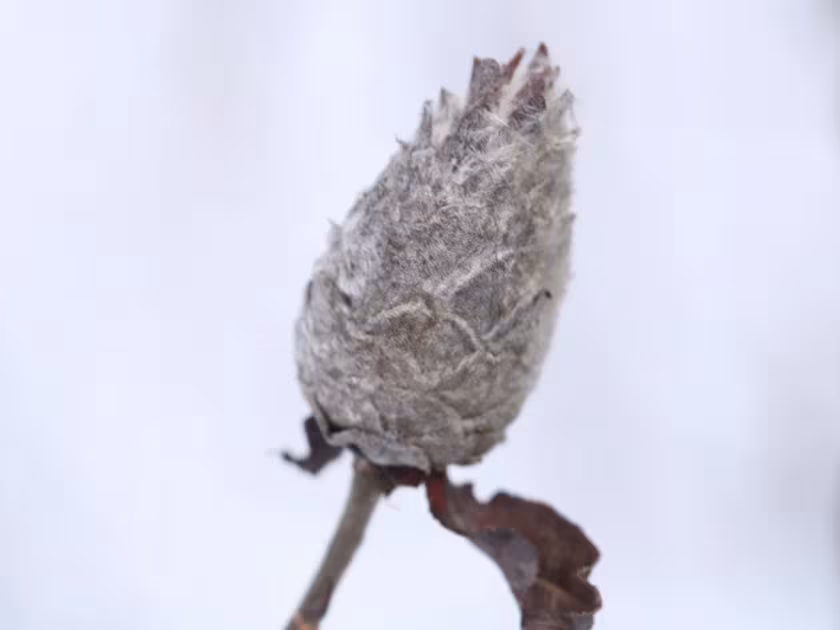
The primary identification feature is the gall itself, which forms a cone-like structure on the terminal buds of willow branches, mimicking the appearance of a conifer cone.
Inside these galls, the larvae develop, feed on the plant's juices, and eventually pupate. The gall provides a stable environment that protects them from predators and environmental stress.
This insect is a classic example of an organism that modifies the host plant's hormonal balance to ensure the survival of its offspring.
What it damages
The host plants are primarily various species of willow (Salix). While the damage is rarely fatal to mature trees, it is highly problematic for young saplings and ornamental varieties.
The gall disrupts the terminal growth of the willow stem, preventing the branch from reaching its full potential length and altering the intended aesthetic shape of the plant.
In nursery settings, heavy infestation can significantly reduce the market value of the willow stock by causing stunted growth and misshapen branches.
The presence of numerous galls can drain the tree's energy resources, particularly in younger or stressed specimens, making them less vigorous over time.
Secondary issues may arise if the plant's tissues are damaged, as these wounds can provide entry points for opportunistic fungal pathogens to invade the willow stem.
When it appears
The midge's life cycle is tied to the willow's phenology. Adults emerge early in the spring, precisely when the host tree's buds begin to swell and open.
The females lay their eggs on the developing buds. Once the larvae hatch, they begin to feed, and the plant tissues react by forming the characteristic cone-like gall around them.
During the summer months, the larvae reside inside the gall, continuing their development and consuming the nutritious tissues provided by the abnormal plant growth.
As autumn approaches, the larvae pupate within the gall, remaining in this state throughout the winter to survive the cold temperatures until spring arrival.
This single-generation cycle ensures that the population persists in the same area as long as host willows are available and are not managed by the gardener.
Signs of infestation
The most distinct sign is the presence of tight, cone-shaped bud galls at the ends of willow shoots. These galls are distinctively leafy and look out of place on the willow.
During the active season, the galls are vibrant and green, often standing out against the surrounding foliage due to their dense, overlapping leaf structure.
In the winter, the galls remain on the branches, often turning brown or grey. They serve as a clear indicator of where the next generation of midges will emerge from.
A closer inspection of a fresh gall will reveal the larva within, which is often bright orange or yellow, nestled in the base of the modified bud tissues.
Stunted tips and lack of normal elongation in the spring shoot are consistent indicators that the plant is dealing with an active gall midge infestation.
Control measures
The most practical and sustainable control method is manual removal. Collecting and burning the galls in late winter or early spring prevents the adults from emerging.
Chemical control is generally ineffective once the gall has fully formed, as the tough leaf structure protects the larvae from most contact and systemic insecticides.
If chemical intervention is deemed necessary, it should be timed to coincide with the early spring emergence of adults to stop the egg-laying process before galls form.
Maintaining high plant vigor through proper watering, fertilizing, and pruning helps the willow tolerate minor infestations and recover more effectively.
In nursery or high-value landscapes, monitor the trees closely as the first leaves unfold to catch the early signs of infestation and prevent population build-up.
Taxonomy
- Latin name
- Rabdophaga strobiloides
- Order
- Diptera (flies)
- Family
- Cecidomyiidae
- EPPO code
- RHABST
Discussion
No discussions yet — be the first.