
Willow rosette gall midge
Rabdophaga iteobia
Description
How to identify
The Willow rosette gall midge (Rabdophaga iteobia) is a small dipteran insect belonging to the family Cecidomyiidae. While adult midges are tiny and fly unnoticed, the larval stage is responsible for significant morphological changes in host plants.
The adult midge is a delicate insect with a fragile body, appearing very similar to a small gnat. They are rarely seen, as their lifespan is brief and focused primarily on reproduction.
The species is widespread throughout temperate regions where willows naturally grow. It exhibits a high degree of host specificity, primarily targeting various species and cultivars of the genus Salix.
The life cycle is typically univoltine, meaning there is only one generation per year. Development is closely synchronized with the phenology of the willow, particularly the timing of bud burst in the spring.
Overwintering occurs as larvae within the galls. This strategy provides protection against extreme temperatures and predators, ensuring survival until the next growing season.
What it damages
Damage is exclusive to willow plants, specifically targeting developing terminal buds. The feeding activity of the larvae triggers the plant to divert its growth resources into forming a dense, abnormal structure known as a gall.
The formation of these rosettes halts the vertical growth of the twig. This prevents the willow from developing long, slender shoots, significantly altering the plant's natural shape and aesthetic structure.
In ornamental landscaping, this pest can lead to unsightly deformations of the tree canopy. For professional growers, infected stock often fails to meet quality standards and must be culled.
The infestation acts as a significant metabolic drain on the host. By forcing the plant to create excessive tissue within the gall, the midge restricts the energy available for normal leaf production and root development.
Secondary infections are common, as the damaged and distorted tissues of the rosette provide easy entry points for various fungal pathogens that can further weaken the plant.
Signs of infestation
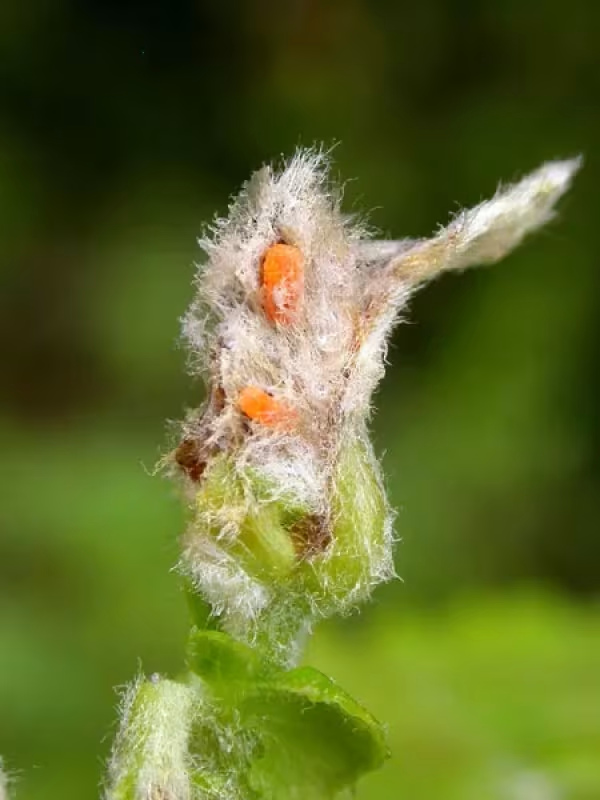
The hallmark sign of infestation is the formation of a 'rosette' or 'artichoke' gall at the tip of the affected shoot. These rosettes consist of densely packed, shortened, and deformed leaves.
Upon dissecting the rosette, one can find one or more small larvae inside. These larvae typically appear as small, whitish or orange-colored organisms nestled deep within the base of the deformed leaves.
Growth of the terminal shoot stops entirely. The affected branches appear stubby and clustered, lacking the typical long, graceful growth habit associated with healthy willow branches.
In the autumn, the galls may dry out and turn brown, but they often persist on the branches throughout the winter, serving as a clear indicator of previous infestation.
On early-season growth, the symptoms may present as a slight thickening of the tip of the bud, which later matures into a full-scale leafy rosette as the season progresses.
Control measures
The most effective cultural practice is the manual removal of galls. By pruning these rosettes during winter or early spring and burning them, you can significantly reduce the pest population before adults emerge.
Monitoring the trees closely during the spring flush is crucial. Early detection allows for immediate intervention, preventing the larvae from establishing long-term feeding sites.
Chemical control is generally reserved for severe outbreaks or in commercial nursery settings. Application of systemic insecticides should be timed precisely to coincide with the period of larval activity.
Encouraging natural predators, such as parasitic wasps, can help manage midge populations in a natural way. Maintaining a diverse garden environment supports these beneficial insects.
- Regular inspection of terminal shoots on willow trees.
- Systematic pruning and destruction of galls.
- Maintaining healthy soil and moisture levels to support plant vigor.
Taxonomy
- Latin name
- Rabdophaga iteobia
- Order
- Diptera (flies)
- Family
- Cecidomyiidae
- EPPO code
- DASYIT
Discussion
No discussions yet — be the first.