
Willow bud gall midge
Rabdophaga heterobia
Description
How to identify
The Willow bud gall midge (Rabdophaga heterobia) is a member of the Cecidomyiidae family, order Diptera. These are tiny insects, with adults measuring approximately 2–3 mm in length.
The life cycle includes eggs, larvae, pupae, and adults. The larvae are typically yellow or orange and are found inside the plant tissues they infest.
Adult midges emerge in spring to lay eggs directly into the swelling buds of willow trees, initiating the formation of galls.
The larvae feed inside these structures, which provide both nourishment and protection from the environment and many predators.
The midge overwinters as larvae within the mature galls, remaining protected from cold temperatures and external threats until the following spring.
What it damages
This pest targets various Salix species, causing significant structural changes to the buds and impacting the growth of the shoots.
The feeding activity of the larvae disrupts normal terminal growth, preventing the shoot from elongating and causing severe deformation of the tree architecture.
Willow plantations grown for osier production suffer from reduced yield and inferior quality of the willow rods, which become brittle and twisted.
Ornamental willows lose their aesthetic value, as the terminal buds develop into unsightly, tumor-like structures rather than healthy foliage or branches.
In addition to physical damage, the presence of galls can make the plant more susceptible to opportunistic fungal and bacterial pathogens.
When it appears
The activity cycle of the midge is strictly tied to the phenology of the willow, starting with the first signs of sap flow in early spring.
Multiple generations can occur within a single growing season, leading to a cumulative increase in the number of affected buds over time.
Peak midge activity usually coincides with the period when willow buds begin to burst, allowing for optimal colonization by the emerging adults.
Throughout the summer, larval development continues, maintaining the pest's presence in the willow canopy until the colder autumn months arrive.
By late autumn, the larvae enter a state of dormancy within the galls, effectively surviving the winter months to start the cycle again.
Signs of infestation
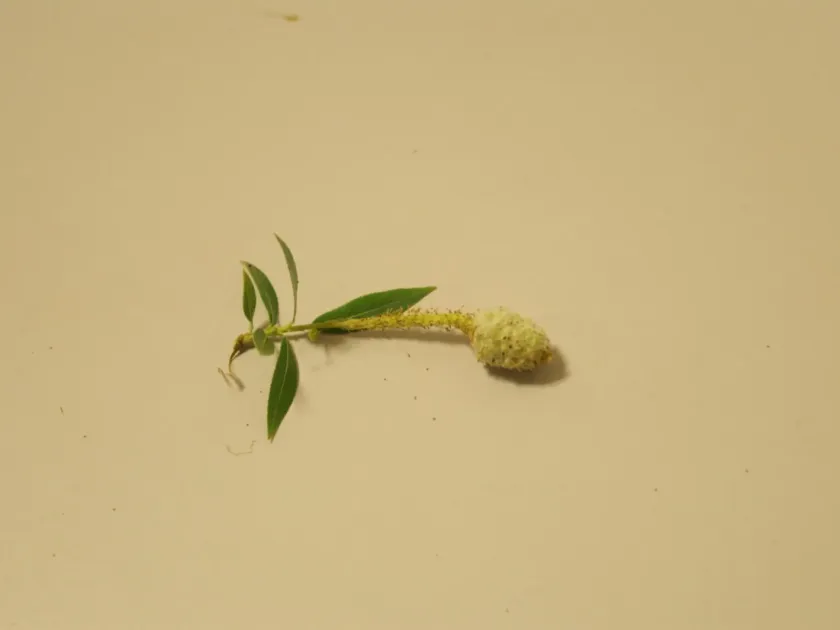
The primary symptom is the formation of conspicuous, rosette-like galls on the tips of the shoots, often referred to as "pineapples" or "rosettes."
- Failure of terminal buds to elongate properly.
- Growth of compact, distorted leaf rosettes at branch tips.
- Discoloration of the outer bud scales.
- Presence of orange larvae visible when a gall is cut open.
- Stunted growth of new shoots on the infested trees.
These galls are easily identified during routine inspections, as they contrast sharply with the appearance of healthy, elongated shoots.
Heavy infestations can lead to a bushy appearance of the affected branches due to the inhibition of primary apical growth.
Control measures
Mechanical control through pruning and destruction of infested buds is the most effective way to reduce the population density in local areas.
Sanitation pruning should be carried out before the adults emerge in spring to ensure that the overwintering larvae are eliminated from the site.
Chemical control using systemic insecticides can be effective if applied during the early bud-burst stage, targeting adults before they lay eggs.
Maintaining tree vigor through proper fertilization and watering can help the willow plants better tolerate and recover from pest infestations.
Monitoring for signs of gall formation early in the season is crucial for successful management and to prevent widespread infection across a plantation.
Taxonomy
- Latin name
- Rabdophaga heterobia
- Order
- Diptera (flies)
- Family
- Cecidomyiidae
- EPPO code
- RHABHE
Discussion
No discussions yet — be the first.