
Shearwater
Puffinus
Description
How to identify
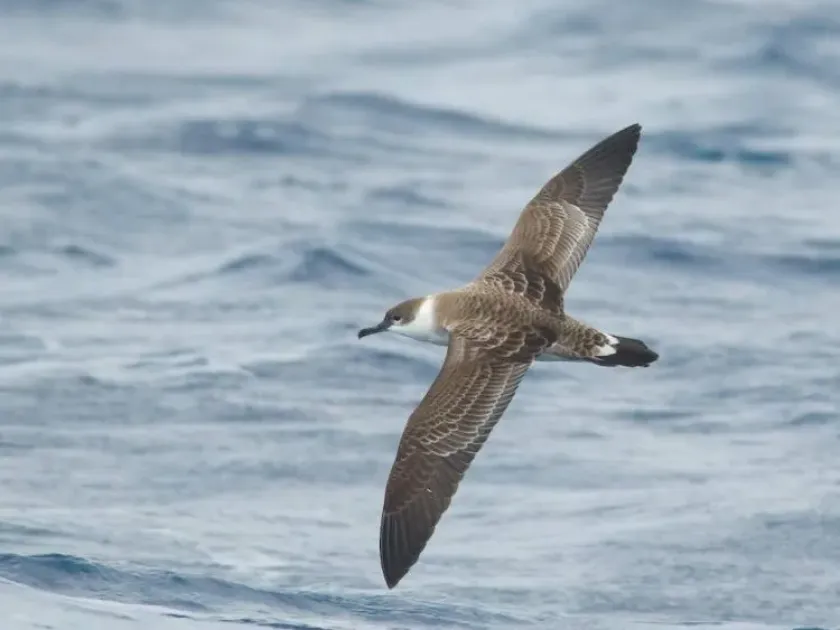
Shearwaters (genus Puffinus) are seabirds belonging to the family Procellariidae within the order Procellariiformes, known for their pelagic lifestyle.
These birds are characterized by their long, narrow wings, which allow them to glide efficiently over the ocean, and their dark plumage.
While primarily marine, certain species establish nesting colonies on coastal land, which can overlap with agricultural zones and pastures.
Their life cycle involves a significant period spent on land during the breeding season, when they dig extensive burrow systems in the soil.
In an agronomic context, they are viewed as invasive organisms that interfere with land use and soil structural integrity in coastal regions.
What it damages
The primary damage caused by shearwaters is the physical destruction of the soil profile due to the construction of deep, complex burrow networks.
These burrows compromise the root systems of crops, causing plants to wilt and die, often rendering large sections of fields unproductive.
The accumulation of guano within the colony sites significantly increases nitrogen levels, leading to chemical damage and nutrient toxicity in crops.
Heavy farm machinery is often prohibited from operating in these areas due to the high risk of ground collapse into the bird-dug burrows.
Furthermore, the presence of these birds often facilitates the spread of weeds that thrive in nitrogen-rich soil, further reducing crop quality.
When it appears
Shearwater activity on land is strictly seasonal, coinciding with their reproductive period, which varies by species and geographic location.
During the onset of the breeding season, birds arrive at the coast to excavate nests, which is the most critical time for agricultural interference.
Activity is predominantly nocturnal, with birds returning to burrows at night, meaning initial damage is often detected during morning inspections.
Once the breeding season concludes and the fledglings depart, the land use impact typically wanes, although the physical burrows remain.
Predictive monitoring based on historical nesting data is essential for farmers to prepare defensive strategies before the arrival of the birds.
Signs of infestation
The most obvious sign of an infestation is the appearance of numerous burrow entrances, approximately 10–15 cm in diameter, scattered across fields.
A strong, pungent musky odor combined with visible guano deposits on the soil surface is a clear indicator of a resident bird colony.
Crops in affected areas exhibit stunted growth, yellowing, and sudden wilting caused by the severing of roots during the burrowing process.
The presence of well-worn paths through vegetation leading to burrows indicates established traffic patterns of birds moving to and from the sea.
Loud, vocal nocturnal calls, often described as wailing or cackling, are audible signs of the colony's presence during the peak breeding cycle.
Control measures
Bioacoustic deterrents, which play recordings of predator calls or distress signals, are effective tools for discouraging shearwaters from nesting.
Physical exclusion measures, such as installing fencing around sensitive agricultural plots, prevent birds from accessing prime digging locations.
Habitat modification, such as regular soil tillage, can make the ground less suitable for burrowing, provided it is done before the nesting phase.
The use of visual deterrents like motion-activated lights or reflective materials can provide additional protection during the night hours.
- Integrated Pest Management (IPM) involving local wildlife authorities.
- Creating buffer zones to separate agricultural fields from colony sites.
- Maintaining soil moisture levels to make burrowing more difficult for birds.
Taxonomy
- Latin name
- Puffinus
- Family
- Procellariidae
- EPPO code
- PUFFSP
Discussion
No discussions yet — be the first.