
Avocado thrips
Pseudophilothrips perseae
Description
How to identify
The avocado thrips, Pseudophilothrips perseae, is a small insect belonging to the order Thysanoptera and the family Phlaeothripidae. This species is specifically known for its association with avocado trees, causing significant concern for commercial producers.
Adult thrips are small, slender insects with a dark, almost black appearance and narrow, fringed wings. Their larvae are typically lighter, often yellowish or orange, which helps them blend into the young, developing leaves where they reside.
The life cycle of the insect consists of eggs, two larval stages, prepupa, pupa, and adult. In warm, favorable climates, the population can undergo multiple generations within a single growing season, leading to rapid infestation if left unchecked.
These insects are elusive, preferring to stay in hidden areas such as leaf crevices, under the sepals of fruits, and in the junctions of young stems. This behavior makes monitoring for their presence essential.
Entomologists and growers use sticky cards and visual inspection of tender leaf growth to detect early signs of infestation. Monitoring is crucial during the early stages of fruit development when the plant is most vulnerable.
What it damages
The avocado tree Persea americana is the primary host for Pseudophilothrips perseae. The pest causes damage to both the foliage and the developing fruit, directly affecting plant health and market value.
Damage occurs when the thrips feed by piercing the plant tissue and sucking the sap. During this process, they inject enzymes that kill plant cells, leading to localized necrotic spots and scarring on leaves and fruit skin.
On leaves, the damage appears as irregular brown spots, causing curling, yellowing, and eventually early leaf drop. This reduces the tree's photosynthetic capability and overall vigor.
The most economically damaging impact is seen on the fruit. The thrips feed on the skin of young fruit, leaving behind unsightly corky, brown scarring. While the fruit inside remains edible, it loses its commercial value due to surface defects.
Chronic infestation can lead to stunted growth, loss of fruit set, and reduced yield. Furthermore, the wounds serve as entry points for pathogens, potentially leading to decay and secondary infections.
When it appears
Avocado thrips activity is heavily influenced by temperature, with population levels peaking during warm and dry periods of the year. These conditions accelerate the insect's life cycle and encourage colonization.
In most regions, the critical period is during the spring and summer when the tree produces new flushes of growth. During this time, the thrips move rapidly from leaf to leaf, establishing new feeding sites.
The spread of the pest between trees is primarily facilitated by wind currents or contact between tree canopies. In greenhouse environments, the pest can remain active throughout the year unless controlled.
The flowering and initial fruit-setting stages are the most critical times for observation. Thrips can concentrate their feeding on these delicate structures, which may lead to blossom or fruit drop if the population density is high.
As the weather cools in the fall, the activity decreases significantly. The insects typically overwinter in leaf litter or deep within the bark cracks, awaiting the return of warmer conditions to resume their cycle.
Signs of infestation
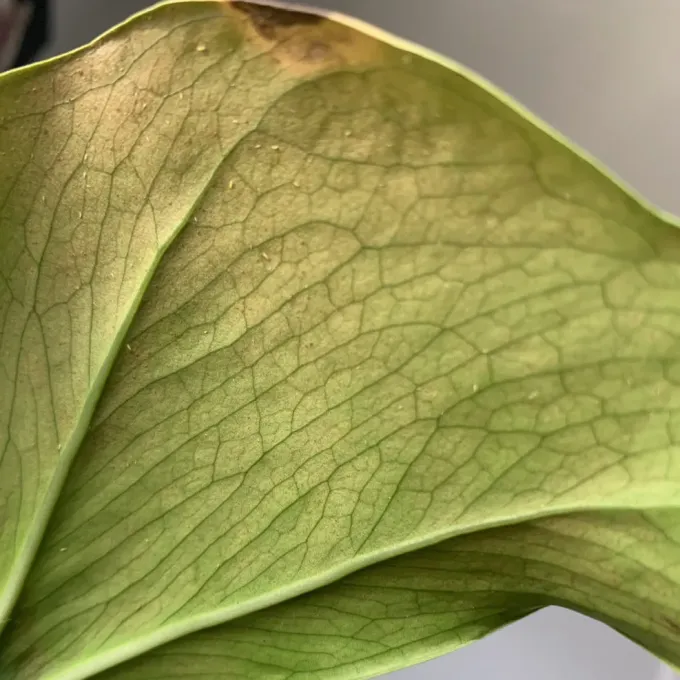
Early identification of thrips includes the appearance of silvery-looking tissues on the undersides of young leaves. As feeding continues, these areas turn into necrotic, brown-colored spots.
Fruit infestation is signaled by the presence of a "brown mesh" or corky texture on the peel. This scarring is a hallmark of feeding activity during the fruit expansion stage, and it is irreversible.
The presence of tiny, black fecal spots on the leaves or fruit surface is a diagnostic sign of an active infestation. These spots often indicate the proximity of the thrips colony.
Severe infestations cause deformation of the tips of young shoots and stunted growth. The overall appearance of the tree may seem stressed, with sparse foliage and yellowing leaves.
Confirmation can be made by physically inspecting the protected areas of the tree. Gently shaking the foliage over a white surface can often dislodge the insects, making them visible for identification.
Control measures
Successful management of Pseudophilothrips perseae requires an Integrated Pest Management (IPM) approach to minimize chemical impact and maintain ecological stability.
- Regular pruning to improve air circulation and sunlight penetration in the canopy.
- Encouraging natural predators such as predatory mites, lacewings, and pirate bugs.
- Application of systemic insecticides during peak infestation periods if thresholds are reached.
- Use of botanical oils (like Neem oil) to disrupt larval development and feeding.
- Strict quarantine and inspection protocols for all new nursery stock and transplants.
When chemical intervention is necessary, growers should select selective pesticides that are less harmful to beneficial pollinators. Proper pesticide rotation is vital to prevent the development of insecticide resistance.
Maintaining a clean orchard floor by removing leaf debris helps to reduce the survival of pupae and overwintering adults, which effectively lowers the pressure for the following season.
Ongoing monitoring using pheromone traps and regular field scouting allows for timely intervention. By managing the population before it reaches massive proportions, growers can protect fruit quality and ensure a successful harvest.
Taxonomy
- Latin name
- Pseudophilothrips perseae
- Order
- Thrips
- Family
- Phlaeothripidae
- EPPO code
- PSPTPE
Discussion
No discussions yet — be the first.