
Psectrosema gall midge
Psectrosema
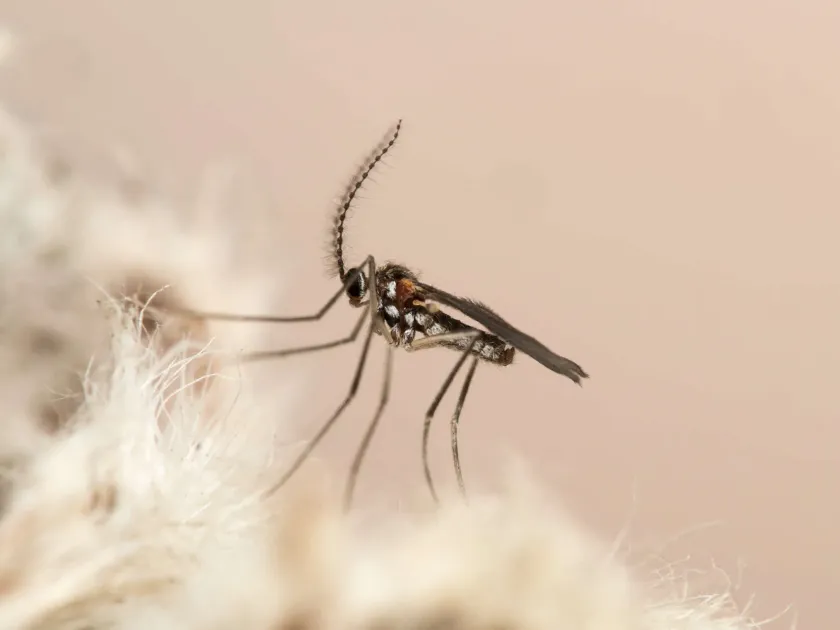
Description
How to identify
The Psectrosema gall midge (genus Psectrosema) belongs to the Cecidomyiidae family, which is part of the Diptera order. These are extremely small insects, and adult individuals are often overlooked due to their microscopic size and very short lifespan.
The larvae of this genus typically exhibit a spindle-like shape common to many gall midges. Their development occurs exclusively within plant tissues, where they trigger the formation of specific morphological changes known as galls.
Identifying this pest is challenging because most of its life cycle is hidden inside plant tissues. The primary diagnostic feature is the presence of abnormal growths on leaves, buds, or stems.
The biology of these insects is closely linked to the phenological rhythms of their host plants. Adults emerge during active growth periods to deposit eggs on the most vulnerable young tissues.
The life cycle includes the egg, larval (multiple instars), pupal, and adult stages. Overwintering usually occurs in the larval stage, either within the galls or in the soil substrate.
What it damages
The primary hosts for Psectrosema gall midges are plants within the Tamaricaceae family. This pest frequently causes issues in natural ecosystems and managed windbreaks in arid regions.
Larvae reside within the tissues of young shoots, leaves, or buds. By feeding on plant sap, they disrupt normal metabolic processes and induce abnormal cell division and differentiation.
The result of larval activity is the formation of galls—tumor-like growths. These structures provide the insects with both protection from environmental stressors and a consistent supply of nutrients.
Widespread infestation leads to the deformation of branches and a significant decrease in photosynthetic capacity. Affected parts of the plant eventually lose vigor, wither, and may die prematurely.
High levels of infestation significantly weaken young trees and shrubs, making them more susceptible to secondary infections, pathogens, and other environmental stressors.
Signs of infestation
The first visual sign of infestation is the appearance of distinct swellings or growths on young shoots. The shape and size of these galls depend on the specific species of Psectrosema and the host plant.
Careful examination often reveals slowed growth of affected branches. Leaves near the gall sites frequently curl, change color, or display chlorotic spots, signaling disruption of the plant's vascular system.
During the active season, small exit holes may appear on the surface of the galls. These indicate that the insect has completed its development within the gall and emerged as an adult.
Dissecting a gall will reveal the presence of white, yellow, or orange larvae, which is the definitive proof of this pest's presence. Accurate diagnosis is critical for managing the infestation.
Premature leaf drop and the drying of shoot tips are common symptoms of progressive damage, which negatively impacts the overall health and structural integrity of the plant.
Control measures
Agrotechnical control involves the systematic pruning and disposal of affected branches. It is essential to perform this procedure before adult emergence to break the pest's reproductive cycle.
Biological control, such as encouraging natural predators and parasitoids, helps maintain pest populations at manageable levels. These beneficial insects play a key role in ecological regulation.
Chemical protection is effective only when timed precisely with the egg-laying or larval emergence period. Systemic insecticides are generally the preferred choice for treatment.
Promoting plant health through proper irrigation and fertilization improves the plant's ability to recover from damage and increases overall resistance to pest pressure.
- Regular sanitary pruning of affected shoots.
- Targeted insecticide applications during adult flight.
- Monitoring using sticky traps to determine population peaks.
- Ensuring optimal plant growth conditions.
Taxonomy
- Latin name
- Psectrosema
- Order
- Diptera (flies)
- Family
- Cecidomyiidae
- EPPO code
- PSEMSP
Discussion
No discussions yet — be the first.