
Mango gall midge
Procontarinia
Description
How to identify
The mango gall midge (genus Procontarinia) is a minute insect belonging to the family Cecidomyiidae (gall midges) within the order Diptera. Adults are very small, delicate flies that are difficult to spot in the dense canopy of mango trees.
The primary damage is caused by the larval stage. These larvae are tiny, legless, and typically yellowish. They reside inside the plant tissues, where their feeding activity induces the formation of galls — abnormal growths or swellings on the leaves or other parts of the plant.
The genus includes several species, with Procontarinia matteiana being one of the most economically significant. These pests are highly specialized, thriving specifically on mango trees in various tropical and subtropical regions worldwide.
The life cycle of the midge is synchronized with the vegetative growth stages of the host tree. Adult females lay eggs on young leaves or flower buds, where the larvae hatch and immediately begin to penetrate the epidermis to form galls.
After completing their development, the larvae exit the galls and drop to the soil to pupate. The pupal stage in the ground is a crucial period for the pest's survival, as it allows them to bridge gaps between favorable growing conditions.
What it damages
The mango gall midge is a specialized pest of Mangifera indica. It affects both nursery-grown seedlings and mature fruit-bearing trees, often leading to reduced vegetative growth and decreased fruit yield.
Larval feeding causes the formation of numerous galls on leaves, which disrupt the normal photosynthetic activity of the plant. This loss of surface area significantly weakens the trees over time.
In severe infestations, the foliage may become heavily deformed, turn brown, and drop prematurely. Such defoliation reduces the tree's vigor, making it more susceptible to environmental stress and other secondary infections.
Besides leaves, some species can also attack floral buds and young fruit, causing them to wither and fall. This directly correlates to substantial losses in the potential market harvest for farmers.
Because the pest is easily transported through infested plant material, strict quarantine measures are essential in preventing the spread of the midge between different geographical areas and orchards.
Signs of infestation
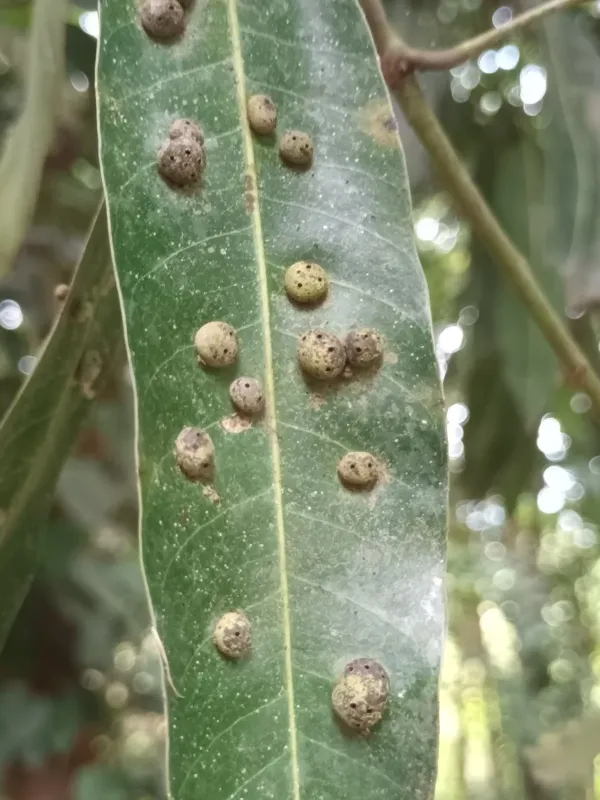
The most characteristic sign of infestation is the presence of small, wart-like galls on the leaves. These can appear scattered across the leaf surface or clustered in large groups.
Initially, galls are small green swellings, but as the larvae inside develop, the galls may expand and change color to brown or black, indicating tissue necrosis around the infestation site.
When viewed against light, infested leaves show dark, opaque spots where the larvae are actively feeding. This visual cue is often the first indicator used by field technicians for early detection.
In cases of floral damage, the signs include the drying out of inflorescences and the shedding of small fruitlets. While this can mimic other diseases, the presence of distinct exit holes on the plant tissue is a hallmark of midge activity.
Once the larvae reach maturity and exit for pupation, they leave tiny, circular holes on the surface of the gall, which serve as clear indicators that the current generation has finished its cycle.
Control measures
Integrated Pest Management (IPM) is essential for controlling this pest. Sanitation, including the pruning and immediate disposal of infested leaves, helps to significantly reduce the larval population within the orchard.
Biological control plays a vital role, as various parasitic wasps are known to naturally predate on the larvae inside the galls. Maintaining a healthy ecosystem in the orchard can help naturally suppress midge outbreaks.
Chemical control should be strategically timed with the emergence of adult midges. Systemic insecticides are often the most effective, as they are absorbed by the plant and target the larvae feeding within the protected gall environment.
Soil management, such as tilling or turning the soil under the tree canopy, is effective in disrupting the pupation stage, exposing the pupae to predators or direct desiccation from the sun.
- Use yellow sticky traps for monitoring adult population levels.
- Implement timely pruning of affected twigs.
- Apply systemic insecticides during the flushing phase of the tree.
- Conserve natural enemies and parasitoids within the farm area.
Taxonomy
- Latin name
- Procontarinia
- Order
- Diptera (flies)
- Family
- Cecidomyiidae
- EPPO code
- PRONSP
Discussion
No discussions yet — be the first.