
Aquilegia sawfly
Pristiphora aquilegiae
Description
How to identify
The Aquilegia sawfly, scientifically known as Pristiphora aquilegiae, is a small insect belonging to the order Hymenoptera, family Tenthredinidae. The adults are tiny wasp-like insects that are often overlooked due to their inconspicuous appearance.
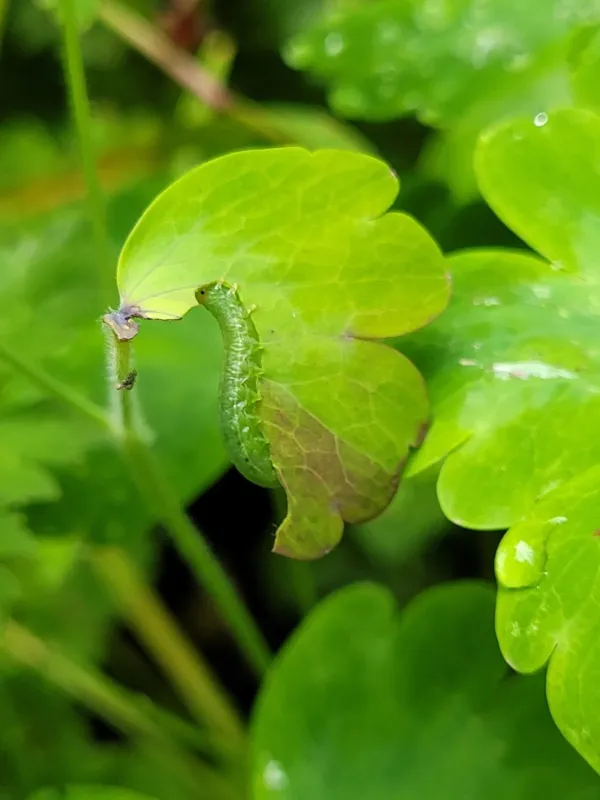
The larvae are the primary stage causing damage. They look like caterpillars but are actually the larvae of the sawfly. They often have a green color that blends perfectly with the foliage of the Columbine (Aquilegia) plant, making them difficult to spot at first glance.
The lifecycle is tightly linked to the host plant. Females lay their eggs directly into the leaf tissue or petioles. Multiple generations can occur within a single growing season, which leads to a rapid increase in the pest population if left unchecked.
The pest overwinters as pupae in dense cocoons within the top layer of the soil directly beneath the host plants. This dormant stage is a critical point for implementing mechanical control measures before the new season begins.
The sawfly thrives in moderate temperatures and high humidity. While extremely hot and dry summer conditions can suppress their reproductive rates, they still find refuge in shaded or densely planted garden areas.
What it damages
The Aquilegia sawfly is a specialist pest, meaning it feeds exclusively on Aquilegia (Columbine) plants. It is considered an obligate phytophage, relying entirely on these plants to complete its development.
Damage is caused by the larvae, which are voracious eaters. A single colony can defoliate an entire plant in a very short time, leaving behind only the veins of the leaves, a process known as skeletonization.
Mass infestations significantly weaken the plant. The loss of foliage hinders photosynthesis, which impacts the overall health, vigor, and bloom quality of the Aquilegia for the current and future seasons.
Damaged plants lose their resistance to secondary issues. Once weakened by sawfly feeding, the plant becomes more susceptible to opportunistic fungal infections, which can invade the damaged tissues and lead to plant death.
In nurseries or specialized flower gardens, the presence of this pest can lead to the loss of entire collections. Because the larvae are highly active, they can move from plant to plant, quickly spreading the infestation across the garden bed.
Signs of infestation
The first indicator of an Aquilegia sawfly infestation is the appearance of holes in the leaves. As the larvae grow, these holes expand, eventually giving the foliage a lace-like or skeletonized appearance.
By inspecting the undersides of the leaves, you can often find the larvae. They typically position themselves along the midribs or leaf veins and may curl into a characteristic "C" shape when disturbed or touched.
Leaf browning and premature wilting are also common signs of sawfly activity. An infested plant will eventually look tired, sickly, and lose its vibrant green or blue-grey foliage color.
The presence of frass, which looks like small dark pellets on the leaves beneath the feeding sites, is a reliable sign of active larval infestation that requires immediate attention.
In severe cases, plants may be completely stripped of their foliage. Monitoring should be most intense during late spring and early summer, which coincides with the emergence of the adults and the subsequent larval development.
Control measures
Mechanical control includes the regular inspection of plants and the manual removal of larvae. Cultivating the soil around the base of the plants can also help by destroying the overwintering cocoons in the soil.
Chemical control involves the use of systemic or contact insecticides approved for use on ornamental plants. Applications should be timed to hit the larvae soon after they hatch, before they can inflict significant foliage damage.
Biological treatments, such as those based on beneficial nematodes or specific bacteria, offer a more environmentally friendly approach. These are particularly effective when applied at the first sign of pest activity.
- Application of insecticides during early morning or late evening.
- Mulching the soil to disrupt the emergence of adults from the pupal stage.
- Clearing plant debris at the end of the season to reduce overwintering populations.
Prevention is key, involving the selection of healthy stock and maintaining optimal growing conditions. Robust, healthy Aquilegia plants are better equipped to withstand and recover from pest attacks.
Taxonomy
- Latin name
- Pristiphora aquilegiae
- Order
- Hymenoptera
- Family
- Tenthredinidae
- EPPO code
- PRISAQ
Discussion
No discussions yet — be the first.