
Plemeliella
Plemeliella
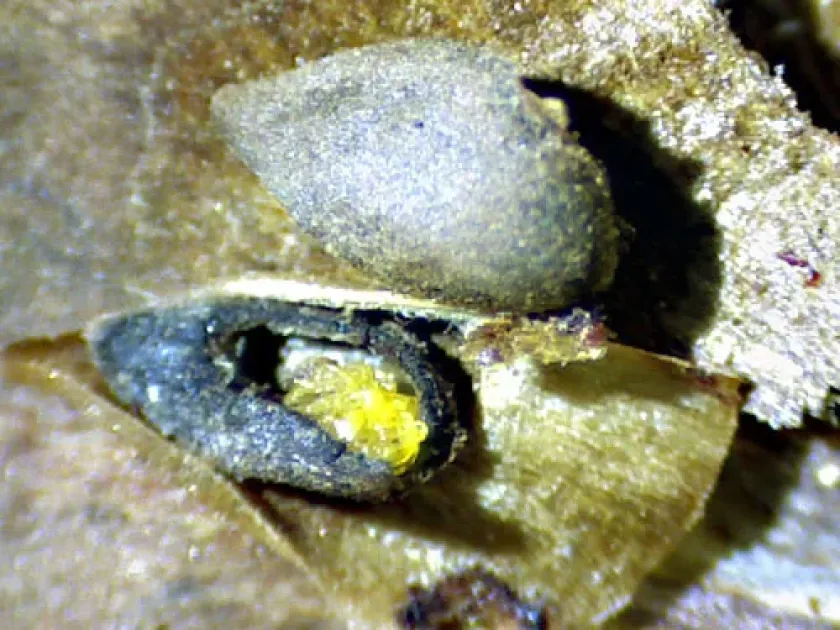
Description
How to identify
Plemeliella is a genus of gall midges belonging to the Cecidomyiidae family, order Diptera. These are tiny insects that resemble small mosquitoes with slender bodies and delicate legs.
Identification is difficult because the adults are short-lived and very small, often escaping notice by forest managers and gardeners alike.
The larval stage is the most recognizable for diagnostic purposes, typically found inside the developing reproductive structures of host trees.
Adults do not feed; they focus entirely on mating and laying eggs in the receptive tissues of the host plants during the early spring season.
Entomologists use specific keys and microscopic examination to differentiate between Plemeliella species and other similar gall-forming insects.
What it damages
Plemeliella primarily targets the cones of larch trees (Larix), where larvae feed on the developing seeds and internal tissues.
The feeding activity of the larvae disrupts the normal development of the cone, leading to significant deformation and structural damage.
Because the larvae consume the seeds, the reproductive capacity of the affected tree is severely compromised, which is critical in seed orchards.
High infestation levels can result in almost total crop failure of seeds, causing economic losses in forestry nurseries and research plantations.
In addition to direct seed loss, the physical damage makes the cones susceptible to opportunistic fungi and bacterial infections that further weaken the tree.
When it appears
The life cycle of Plemeliella is strictly synchronized with the phenology of the host tree, specifically the bud burst and early growth phases.
Adult emergence occurs in the spring, triggered by rising temperatures and the development of young cones on the branches.
Larvae develop throughout the summer months, feeding inside the growing cones as they expand and mature on the tree branches.
Winter is spent in diapause, with larvae remaining inside the fallen cones or in the soil, effectively surviving cold climates.
Pupation takes place in early spring, just before the next cycle of host tree development begins, ensuring the survival of the next generation.
Signs of infestation
The most reliable sign of a Plemeliella infestation is the presence of stunted, misshapen, or prematurely yellowing cones on the tree.
During the growing season, a lack of healthy cone development compared to uninfected trees is a strong indicator of pest presence.
Dissecting a suspect cone will reveal the larvae or the hollow chambers they create while feeding on the seeds within the scales.
Premature cone drop is another common symptom that warrants closer inspection of the remaining canopy for signs of infestation.
- Deformed or undersized cones
- Premature cone drop
- Larvae found within the seed scales
- Reduced seed yield in larch plantations
Control measures
Sanitation is a primary control method; collecting and destroying infested cones can significantly reduce the overwintering population.
Chemical control, if necessary, must be applied exactly during the short adult flight window to prevent egg-laying in the cones.
Biological control agents, including parasitic wasps that target gall midges, offer a natural and sustainable way to manage population spikes.
Site management, including proper pruning and maintaining tree health, helps improve natural resistance to various insect pests.
Continuous monitoring with pheromone or sticky traps allows for precise timing of interventions, minimizing the use of broad-spectrum pesticides.
Taxonomy
- Latin name
- Plemeliella
- Order
- Diptera (flies)
- Family
- Cecidomyiidae
- EPPO code
- PLEMSP
Discussion
No discussions yet — be the first.