
Platygaster
Platygaster
Description
How to identify
Platygaster is a genus of minute parasitic wasps belonging to the family Platygastridae. These tiny insects act as specialized parasitoids, targeting the larvae of various harmful insects, most notably those within the Cecidomyiidae family, such as the Hessian fly.
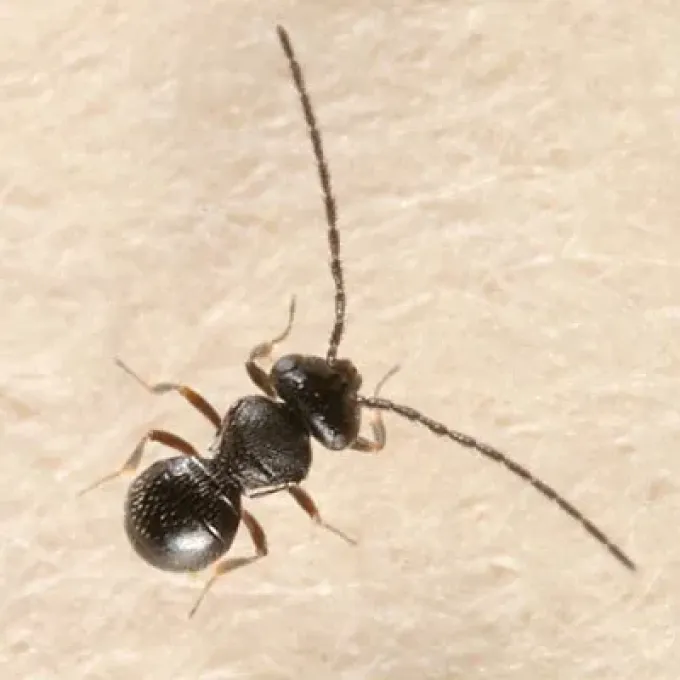
Adult Platygaster wasps are extremely small, typically measuring between 1 and 2 millimeters in length. They are characterized by a slender, dark-colored body and sensitive antennae, which the females use to locate host eggs or larvae in the field.
As part of the Hymenoptera order, these wasps exhibit complex reproductive behaviors. The female deposits her eggs inside the host, where the developing larvae eventually consume the host from within, effectively halting the pest's life cycle.
The genus Platygaster is recognized by entomologists and agronomists as a cornerstone of biological pest control. Their effectiveness lies in their ability to search for hosts deep within crop tissues, providing control where chemical sprays might fail.
These wasps do not cause damage to crops. Their presence is a biological indicator of a stable agroecosystem where natural regulation mechanisms are functioning correctly without excessive human intervention.
What it damages
Platygaster is not a crop pest. It is an entomophage, meaning it preys upon other insects. It does not feed on plant foliage, stems, or grain, and it poses no threat to the harvest or the health of agricultural crops.
On the contrary, it provides significant protection against the Hessian fly, a major pest of wheat, barley, and rye. By parasitizing the larvae of this pest, Platygaster prevents the extensive damage typically caused by Hessian fly infestations.
The parasitoid larva feeds internally on the host pest, which dies before it can reach the stage where it would cause economic damage to the crop. This proactive defense is vital for maintaining high yields in cereal production.
Economic benefit derived from Platygaster includes the reduction of crop lodging and the preservation of grain weight. By minimizing the population density of pests, these wasps reduce the need for expensive and environmentally harmful pesticide applications.
Sustainable farming practices rely heavily on such beneficial organisms. In fields where Platygaster populations are protected, farmers can achieve consistent yields even under pressure from migratory pest populations.
When it appears
The seasonal activity of Platygaster is strictly tied to the life cycle of its hosts. In the spring, coinciding with the first flight of the Hessian fly, adult wasps emerge and begin searching for hosts to continue their own reproductive cycle.
Depending on the climatic conditions and the number of host generations, Platygaster can produce several generations throughout the growing season. This ensures that the biological pressure on the pest population is maintained from early growth stages to harvest.
Overwintering occurs inside the puparia (cocoons) of the host pest, which often reside in crop stubble or the topsoil. This survival strategy protects the wasp from harsh winter temperatures, allowing for a rapid population increase in the following spring.
Favorable weather, including adequate moisture during the growing season, supports the activity of these wasps. A temperate climate allows them to remain active for longer periods, providing extended protection to the cereal crops.
Agro-meteorological monitoring helps in predicting the timing of peak parasitoid activity. This information is essential for planning farm activities that avoid disrupting the lifecycle of these beneficial insects.
Control measures
The primary control strategy is the conservation of Platygaster populations. This involves minimizing the use of broad-spectrum insecticides that can decimate beneficial populations along with the target pests.
When chemical intervention is necessary, the use of selective insecticides is strongly recommended. These targeted chemicals leave beneficial wasps unharmed while effectively reducing the numbers of harmful agricultural pests.
Habitat management is another crucial tool. Preserving field margins and non-crop areas provides the adult wasps with essential floral resources, such as nectar, which they need to increase their lifespan and reproductive output.
Adhering to integrated pest management (IPM) guidelines allows for a balanced approach. By combining crop rotation and precise monitoring, farmers can support the natural biological control provided by these parasitoids.
Lastly, educating field staff on identifying and respecting beneficial entomophages is key. Avoiding unnecessary soil disturbance during sensitive periods can help protect the hibernating generation of these important wasps.
Taxonomy
- Latin name
- Platygaster
- Order
- Hymenoptera
- Family
- Platygastridae
- EPPO code
- PLAESP
Discussion
No discussions yet — be the first.