
Pine gall midge
Pinyonia edulicola
Description
How to identify
The pine gall midge Pinyonia edulicola is a tiny insect belonging to the order Diptera and the family Cecidomyiidae. These insects are extremely small and fragile, resembling gnats, making them difficult to detect in the forest canopy.
The primary concern regarding this pest is its larval stage. Larvae live inside the plant tissues, creating specialized growths known as galls, which serve as their primary source of nutrition and protection from environmental factors.
The life cycle of the pine gall midge is synchronized with the seasonal growth of its host tree. Adults emerge in the spring, coinciding with the development of new needles, ensuring that larvae have an immediate food source after hatching.
Because they spend most of their existence hidden within the plant, identification usually relies on signs of their activity rather than observing the adults directly. Microscopy is often required for precise entomological identification.
This species is highly host-specific, primarily infesting certain species within the Pinus genus. This specificity allows for targeted monitoring programs in nurseries and forest plantations where these trees are being cultivated.
What it damages
The pine gall midge primarily affects pine trees by inducing gall formation on needles or young shoots. This process redirects the tree's metabolic resources to support the developing larvae, leading to the weakening of the infested plant.
Infested shoots often show signs of stunted growth, distortion, and loss of vigor. The presence of galls interferes with the normal physiological functions of the shoot, resulting in shorter and brittle needles that eventually drop prematurely.
Damaged tissues are significantly more susceptible to secondary infestations by pathogens such as fungi and opportunistic bacteria. These secondary infections can exacerbate the damage caused by the midge, potentially leading to branch dieback.
In ornamental landscapes, the aesthetic impact is substantial. Gall infestations detract from the visual health and shape of the tree, rendering it unattractive and potentially unmarketable for nursery operations.
In forestry, heavy infestations can contribute to the overall decline of young stands. Trees weakened by gall midge activity are often more likely to be attacked by wood-boring insects, further increasing mortality rates in affected areas.
Signs of infestation
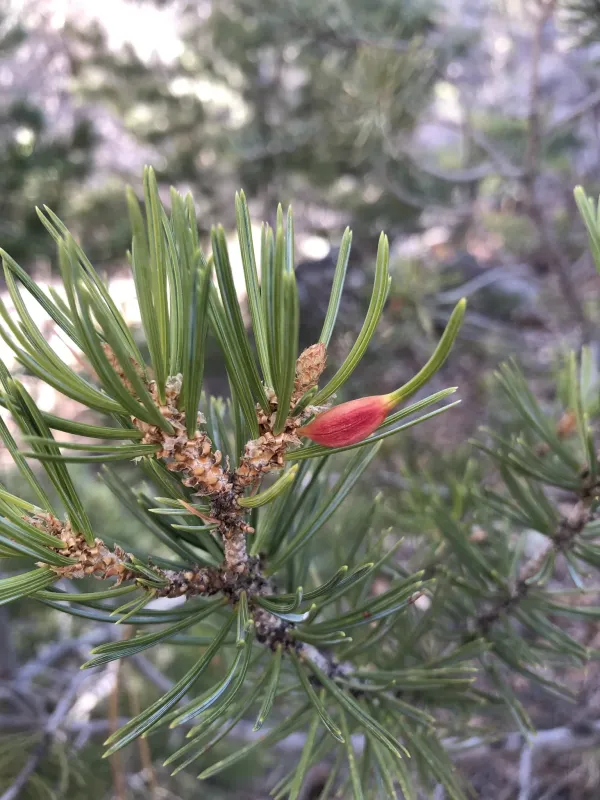
The most reliable sign of an infestation is the appearance of distinct, hardened galls located at the base of needles or along young shoots. These galls vary in appearance but are characteristic of this specific midge species.
Needle yellowing and premature needle cast are frequently observed on branches harboring galls. Affected needles may appear withered or take on abnormal, twisted shapes that deviate from the normal structure of healthy needles.
Growth reduction is another key indicator. Shoots that are heavily infested may stop developing entirely, resulting in a sparse or irregular canopy structure that is easily distinguishable from healthy specimens in the same plantation.
During the adult emergence period, one might notice increased insect activity near the base of the tree or within the lower canopy. However, due to their small size, this sign is often missed without the use of sticky traps or magnification tools.
Birds or other natural predators frequently visit infested trees, looking for larvae hidden within the galls. If you notice a high concentration of insectivorous birds focusing on specific sections of the tree, it may indicate a localized midge outbreak.
Control measures
Controlling the pine gall midge requires an integrated approach. The most effective cultural practice is the manual removal and destruction of infested branches during the early stages of infestation to reduce the overwintering population.
Maintenance of tree health through proper irrigation and fertilization is crucial, as vigorous trees are more resilient to pest attacks. Avoiding overly dense plantings helps maintain airflow, which can create a less favorable microclimate for the midge.
Chemical control should be targeted at the period of adult emergence or early larval hatching. Systemic insecticides are the most effective, as they are absorbed by the plant and reach the larvae residing inside the protected galls.
- Application of systemic insecticides (e.g., imidacloprid).
- Regular monitoring of new shoots during the spring growth flush.
- Sanitation pruning to remove and dispose of infested plant material.
- Promotion of natural predator populations through integrated pest management.
Biological control agents, including entomopathogenic fungi, are also being researched as sustainable alternatives to conventional chemicals. Always ensure that the timing of any pesticide application coincides with the vulnerable stage of the pest's life cycle.
Taxonomy
- Latin name
- Pinyonia edulicola
- Order
- Diptera (flies)
- Family
- Cecidomyiidae
- EPPO code
- PINYED
Discussion
No discussions yet — be the first.