
Pinyonia
Pinyonia
Description
How to identify
Pinyonia (Pinyonia edulicola) is a member of the gall midge family (Cecidomyiidae). These are tiny flies that are rarely seen in the field due to their small size and cryptic habits.
The damage caused by the larval stage is much more visible than the adults themselves, making the larval feeding sites the primary indicator for identification.
What it damages
This pest specifically targets pine species, particularly pinyon pines such as Pinus edulis, which are common in specific ecological zones.
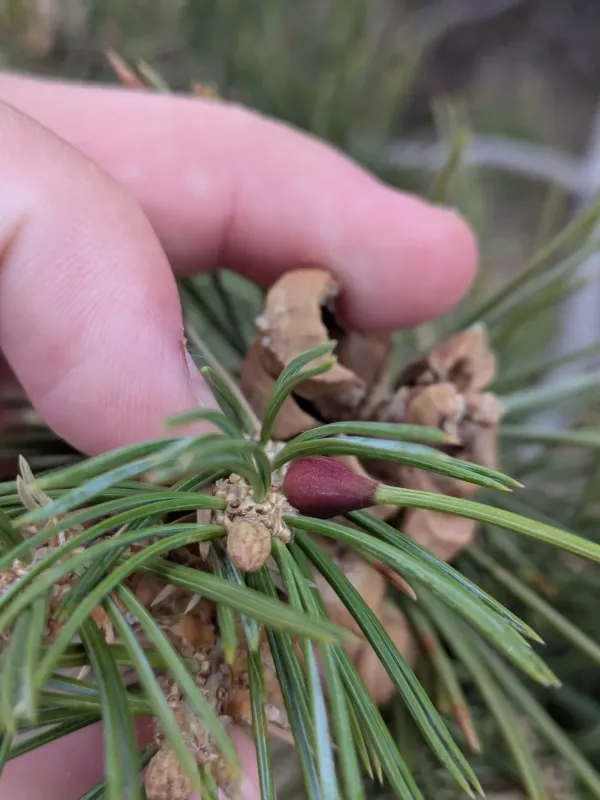
The larvae feed within the needle tissue, which induces the host plant to create specialized structures known as galls at the base of the needles.
When it appears
The life cycle of Pinyonia follows the phenology of the host pines, with adult emergence typically occurring during the spring months.
Larval development takes place throughout the growing season, with the larvae remaining protected inside the galls until they reach maturity.
Signs of infestation
The primary symptom of an infestation is the presence of small, characteristic swellings or galls found at the base of the pine needles.
Affected needles often turn yellow and exhibit significant deformation, eventually leading to premature needle drop and canopy thinning in heavily infested trees.
Control measures
Effective management often involves the use of systemic insecticides that can reach the larvae hidden inside the gall structures.
Cultural control practices, such as pruning and destroying heavily infested branches during the dormant season, can significantly reduce local pest populations.
Taxonomy
- Latin name
- Pinyonia
- Order
- Diptera (flies)
- Family
- Cecidomyiidae
- EPPO code
- PINYSP
Discussion
No discussions yet — be the first.