
Spruce shoot gall midge
Piceacecis abietiperda
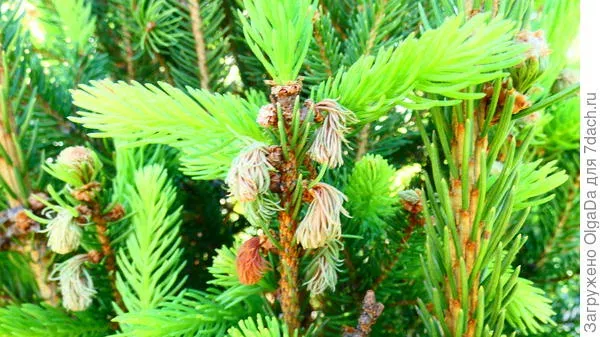
Description
How to identify
The spruce shoot gall midge (Piceacecis abietiperda) is a small insect belonging to the Cecidomyiidae family within the order Diptera.
Adult midges resemble tiny flies or gnats and are primarily active during the spring when the host tree's buds begin to break.
The larvae are distinctively bright orange, living within the tissues of the host plant to create protective galls.
This pest is highly host-specific, primarily targeting spruce trees (Picea spp.) in forest plantations and nursery settings.
Taxonomically, it is classified within the diverse family of gall midges, known for inducing morphological changes in various plant species.
What it damages
The midge primarily attacks young, tender shoots of the Norway spruce (Picea abies) and other related spruce species.
The feeding activity of the larvae disrupts the development of shoot tissues, preventing proper nutrient transport to the growing tips.
This results in the formation of abnormal swellings or galls that deform the branch and restrict healthy apical growth.
Severe infestations can lead to significant branch curling, loss of needles, and a reduction in the overall ornamental value of the tree.
Over time, recurring damage can cause the dieback of terminal shoots, severely impacting the tree's structural symmetry and height growth.
When it appears
The spruce shoot gall midge has a univoltine life cycle, meaning only one generation is produced per year.
Adult emergence occurs in the spring, which aligns perfectly with the period of rapid shoot elongation in spruce trees.
Females deposit eggs on the surface of young shoots, and the resulting larvae bore into the tissues to begin their development.
The larvae spend the entire summer feeding inside the newly formed galls, which also serve as their overwintering site.
Pupation takes place inside the gall early in the following spring, just before the next cycle of adult emergence begins.
Signs of infestation
The presence of localized swellings or galls on the current year's shoot growth is the most diagnostic sign of an infestation.
Needles on the affected areas of the shoot may turn yellow or brown and drop prematurely as the gall interrupts the plant's vascular flow.
If a gall is opened, the presence of small, orange-colored larvae confirms the active feeding stage of the pest.
The terminal shoots often develop characteristic bends or hooks, making the affected branches look stunted or crooked.
These deformed growths are persistent and can be spotted easily during visual inspections of the tree canopy in late summer.
Control measures
Regular visual monitoring is essential, especially in nurseries, to detect the early onset of gall formation during the spring growth phase.
Mechanical control involves the prompt removal and destruction of infested shoots before the adult midges emerge to restart the cycle.
Chemical control strategies typically involve applying systemic insecticides during the peak adult flight and egg-laying period.
Biological control agents, including natural predators of gall midges, can be encouraged to manage population levels in established forest stands.
Promoting overall tree vigor through adequate fertilization and water management helps spruce trees tolerate or recover from minor infestations more effectively.
Taxonomy
- Latin name
- Piceacecis abietiperda
- Order
- Diptera (flies)
- Family
- Cecidomyiidae
- EPPO code
- DASYAB
Discussion
No discussions yet — be the first.