
Selman's eucalyptus leaf beetle
Paropsisterna selmani
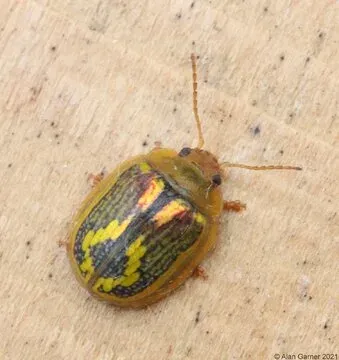
Description
How to identify
Paropsisterna selmani belongs to the leaf beetle family (Chrysomelidae), order Coleoptera. This species is known as a specialized herbivore feeding on specific eucalyptus varieties.
Adult beetles generally exhibit an oval body shape with a glossy finish. Their coloration allows them to blend in with the leaves and bark of host trees effectively.
The larvae are typically voracious and pass through several instars. They are often brightly colored or possess specialized glands to deter predators in their natural environment.
Eggs are laid in clusters on the foliage. Once the larvae hatch, they begin feeding immediately, focusing on the nutrient-rich tissues of young, expanding leaves.
Identification of Paropsisterna selmani is often confirmed by entomologists through detailed morphological studies, as the genus includes several closely related look-alike species.
What it damages
The primary hosts for this pest are species within the genus Eucalyptus. Damage is particularly severe on saplings and younger trees within commercial plantations.
Both adults and larvae consume leaf tissue, often leaving behind only the vascular veins (skeletonization). This drastically reduces the tree's photosynthetic capacity.
Persistent defoliation slows tree growth and significantly weakens the host. Severely stressed trees become susceptible to secondary pathogens and further insect attacks.
In forestry and essential oil production, this pest causes economic losses by reducing biomass and the overall vitality of the eucalyptus crop.
Nurseries can suffer major setbacks if Paropsisterna selmani populations are not monitored, as young plants may be entirely defoliated and killed.
When it appears
The seasonal activity of Paropsisterna selmani is closely linked to temperature and moisture. Activity peaks during the warmer months when trees produce new flushes of growth.
The species can complete multiple generations in a single season under favorable conditions, leading to rapid population surges within an infested area.
Overwintering usually occurs in the adult stage, with beetles sheltering under tree bark, in soil litter, or in protected crevices to survive cold spells.
Monitoring efforts should focus on the timing of spring growth, as this is when the first generation of the season typically begins its feeding cycle.
As temperatures drop, the beetles enter a state of dormancy, ending the period of high-intensity feeding until the next active vegetative season begins.
Signs of infestation
The most visible sign of infestation is notched or eaten leaf margins. Heavily infested branches show characteristic evidence of foliage loss and feeding tracks.
Presence of larvae clusters on terminal buds and fresh leaves is a definitive sign. They are often easily spotted due to their aggregation behavior on tender tissues.
A "burnt" appearance of the tree crown often indicates severe infestation. This happens when the majority of leaves have been skeletonized or consumed by the beetle larvae.
Accumulation of frass (insect excrement) on the leaves or on the ground beneath the tree canopy is a clear indicator of a significant pest population overhead.
Premature leaf drop is another common symptom, occurring as the tree attempts to cope with the stress caused by the significant loss of its photosynthetic apparatus.
Control measures
Chemical control involves the use of systemic insecticides, which are translocated throughout the plant and provide long-lasting protection against leaf-feeding insects.
Biological control methods focus on utilizing natural enemies, such as parasitoid wasps or fungal pathogens, to regulate the beetle population without broad-spectrum chemical impact.
Good silvicultural practices, such as ensuring proper nutrient levels and tree health, can make eucalyptus trees more resilient to pest attacks.
- Regular field scouting to monitor pest density.
- Targeted application of insecticides during early infestation stages.
- Encouraging natural predator populations within the plantation.
- Removing and destroying heavily infested debris to reduce population pressure.
An integrated pest management (IPM) approach remains the best strategy, combining frequent monitoring with environmentally responsible treatment methods to ensure plantation health.
Taxonomy
- Latin name
- Paropsisterna selmani
- Order
- Coleoptera (beetles)
- Family
- Chrysomelidae
- EPPO code
- PSISSE
Discussion
No discussions yet — be the first.