
Oak leaf midge
Parallelodiplosis galliperda
Description
How to identify
The oak leaf midge (Parallelodiplosis galliperda) is a small insect belonging to the Cecidomyiidae family within the Diptera order. These midges are inconspicuous in their adult stage due to their minute size.
They are primarily identified by the specific galls they induce on the leaves of oak trees. Adult midges have delicate bodies and narrow wings typical of gall midges.
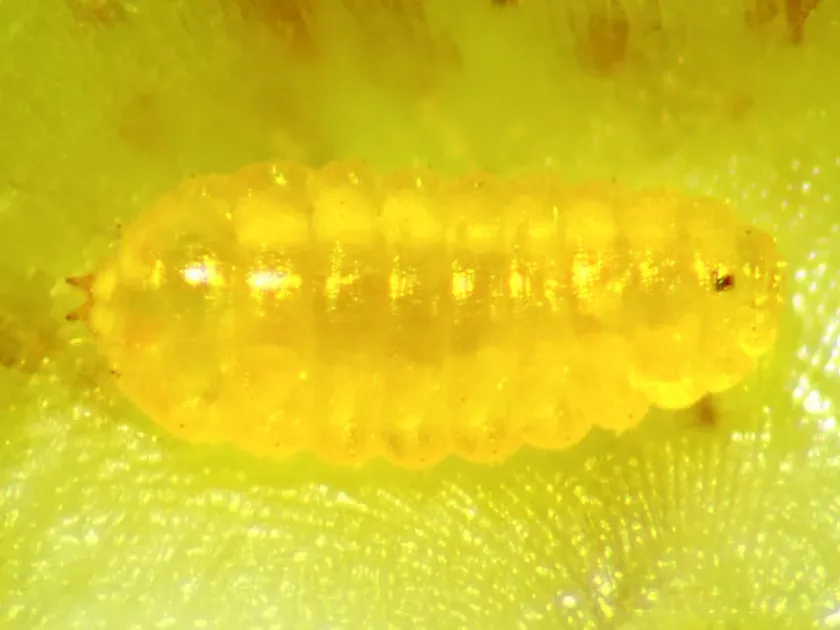
Larvae are the most significant stage of the pest. They are usually yellowish or pale, developing within the protective gall tissue created by the plant in response to their feeding.
The taxonomic classification of this species relies on specific morphological traits and the morphology of the galls they create on the host plant leaves.
Research indicates that this species is highly specialized to feed on oak tissues, making it a permanent resident in oak forest ecosystems across its distribution range.
What it damages
The primary host for this species is the pedunculate oak (Quercus robur). The pest damages young foliage, inducing pathological growths known as galls.
The larvae extract sap from the leaf tissues, which leads to localized deformation and reduces the overall photosynthetic capacity of the affected leaves.
In cases of high infestation, severe leaf deformation can lead to premature leaf drop, which weakens the tree's health and reduces its annual growth increment.
While mature trees can usually withstand the pressure, saplings in nurseries are highly vulnerable and can suffer significant growth retardation.
Secondary infections may occur in the damaged tissues, potentially leading to further stress on the tree, especially during periods of drought or nutrient deficiency.
When it appears
The life cycle begins in spring when adults emerge from their overwintering sites, coinciding with the budburst of oak trees.
The egg-laying occurs on tender young leaves, and larvae start developing within the emerging galls throughout the summer months.
As autumn approaches, the larvae conclude their feeding phase, and the galls harden, providing a protective shell for the wintering larvae.
Overwintering takes place in leaf litter on the ground beneath the host tree, where the larvae wait for the next season's conditions.
Pupation occurs in early spring, and the cycle repeats, with the adult emergence timing often synced with local temperature increases.
Signs of infestation
Initial signs include the appearance of tiny discolored spots on leaf surfaces that rapidly develop into small, raised galls.
The presence of numerous bumps or conical projections on the underside or upper surface of the leaves is a clear indicator of infestation.
Leaves may show signs of curling or stunted growth in areas where galls are concentrated, making the foliage appear rough and damaged.
Finding hardened galls on fallen leaves in the autumn is a reliable way to confirm that the tree hosted a population of these midges.
Examining the inside of a suspected gall will often reveal the larvae, which provides definitive evidence of the pest's presence.
Control measures
Sanitation is the primary control measure; collecting and removing fallen leaf litter in autumn helps significantly reduce the overwintering population.
In ornamental or nursery settings, systemic insecticides applied during the early spring emergence phase can prevent initial gall formation.
Encouraging biological control agents, such as predatory wasps and parasitic insects, helps maintain the balance of the midge population in forest areas.
Regular monitoring of young oak saplings during the critical spring period allows for timely interventions if the infestation levels exceed damage thresholds.
Improving general tree health through proper fertilization and soil management helps mitigate the physiological stress caused by persistent midge infestations.
Taxonomy
- Latin name
- Parallelodiplosis galliperda
- Order
- Diptera (flies)
- Family
- Cecidomyiidae
- EPPO code
- PLLDGA
Discussion
No discussions yet — be the first.