
Parallelodiplosis
Parallelodiplosis
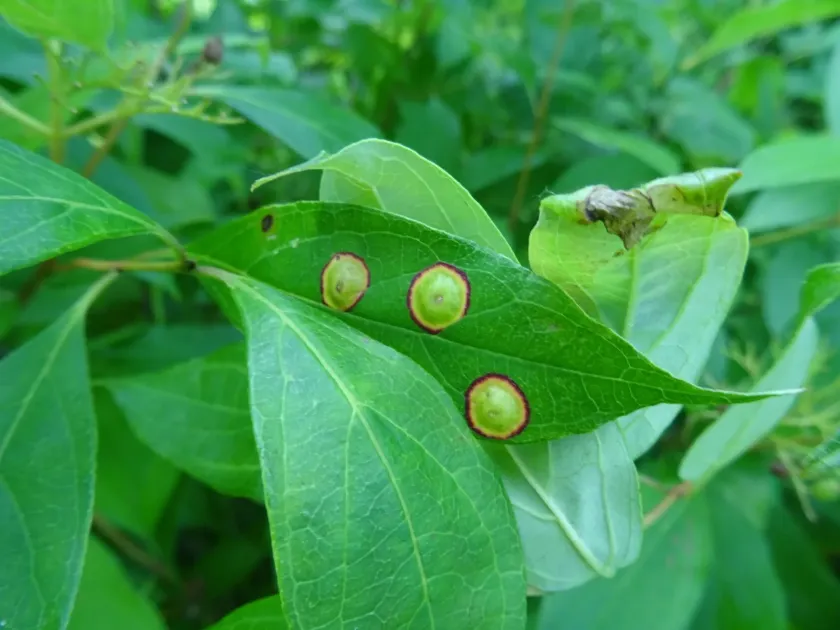
Description
How to identify
The Parallelodiplosis gall midge belongs to the order Diptera and the family Cecidomyiidae. These are minute insects, typically characterized by delicate bodies and long, thin antennae common among gall midges.
The larvae are generally apodous (legless) and exhibit a pale whitish or yellowish coloration. They develop in hidden environments, often within plant tissues, making detection a challenging task for agronomists.
The life cycle includes the stages of egg, larva, pupa, and adult. They typically overwinter as larvae, either within the soil or in infected plant debris, ensuring survival through dormant periods.
Females deposit eggs directly onto the plant surface, often choosing leaf axils or existing tissue damage points that allow the emerging larvae to penetrate the plant structure effectively.
Mass emergence of adults usually correlates with specific developmental phases of host plants, which increases the risk of significant infestation during the vegetative season.
What it damages
This pest affects various grasses, cereals, and woody plants, causing distinct morphological alterations in plant tissues as the larvae consume the plant cells.
Larvae trigger the formation of galls — pathological tissue outgrowths that provide shelter and nutrition for the developing midges, effectively draining the plant's resources.
These infestations cause significant physiological stress, disrupting nutrient transport, weakening the plant, and predisposing it to secondary fungal and bacterial infections.
High infestation rates lead to reduced crop productivity, poor yield quality, and unsightly deformation of plant structures, resulting in considerable economic losses.
The most severe damage occurs on young shoots and buds, where the activity of larvae halts normal growth and results in permanent morphological changes to the plant.
Signs of infestation
The primary sign of an infestation is the appearance of abnormal galls, swelling, or stunted parts of stems and leaves, indicating internal larval activity.
Visual observation often reveals stunted plant growth, yellowing foliage, or premature senescence, all of which point to systemic stress caused by the gall midge.
Microscopic examination of plant sections reveals the presence of larvae embedded within the tissue, confirming the diagnosis and the underlying cause of the damage.
Local tissue necrosis is another common indicator, typically appearing as irregular spots or surface discoloration surrounding the site of midge activity.
In cases of widespread infection, a lack of flowering or grain filling in cereals can be observed, which serves as a critical warning for potential harvest failure.
Control measures
Management strategies rely heavily on cultural practices, such as the removal and destruction of crop residues and deep plowing to eliminate overwintering sites for the larvae.
Effective crop rotation is essential for disrupting the life cycle of the Parallelodiplosis midge, thereby preventing the continuous buildup of the pest population.
Chemical control should be strategically timed with the adult emergence phase, utilizing systemic insecticides that can reach the pest in its protected environment.
Biological control, including the encouragement of natural predators and parasitoids, plays a significant role in maintaining midge populations below the economic threshold.
Routine monitoring using pheromone or colored sticky traps allows for early detection of adult migration, enabling precise and timely implementation of protective interventions.
Taxonomy
- Latin name
- Parallelodiplosis
- Order
- Diptera (flies)
- Family
- Cecidomyiidae
- EPPO code
- PLLDSP
Discussion
No discussions yet — be the first.