
Silver fir gall midge
Paradiplosis abietispectinatae
Description
How to identify
The silver fir gall midge is a small insect belonging to the order Diptera and the family Cecidomyiidae. It is specialized in parasitizing Abies species, particularly the silver fir.
Adult midges are extremely small and delicate, often going unnoticed by foresters and gardeners until significant damage is already visible on the needles.
The biological cycle of this pest is strictly tied to the growth stages of fir tree needles, where the larval stages are completed under the protection of plant tissues.
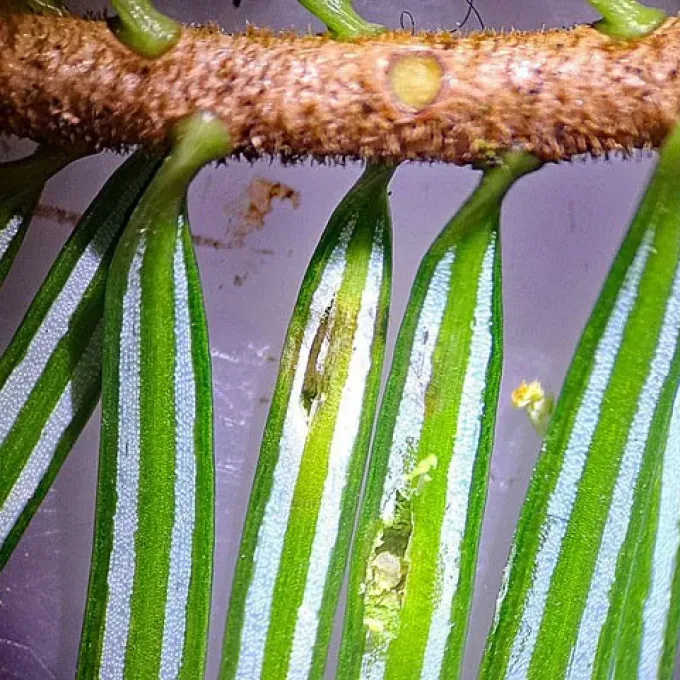
Identification is mainly based on the presence of specific galls that develop on the needles as a direct reaction to the larvae feeding inside them.
Understanding their ecology is crucial, as the survival and development rates of the midge are heavily influenced by local microclimatic conditions.
What it damages
The primary hosts of this midge are silver fir trees. The larvae cause significant structural damage by feeding on the internal tissues of the needles.
The formation of galls disrupts the nutrient supply to the needle, leading to chlorosis, premature yellowing, and eventually the death of the affected needle parts.
Heavy infestations significantly reduce the photosynthetic capacity of the fir, which can lead to reduced growth rates and compromised health of the host tree.
While a single midge usually does not kill a tree, repeated annual infestations can weaken the fir enough to make it susceptible to opportunistic diseases.
The aesthetic damage caused by the yellowing and deformed needles is a major concern for nurseries and urban landscapes that rely on the decorative look of firs.
When it appears
The emergence of adult midges typically occurs in the spring, synchronized with the bud break and the initial development of young needles.
Females lay eggs directly on the newly developing needles, ensuring the larvae have immediate access to fresh, tender plant tissues for food.
Larval development takes place during the summer months, with the larvae remaining hidden within the formed gall until they reach maturity.
Pupation usually occurs within the gall, providing a protected environment for the transition from larva to the adult flying stage.
The lifecycle is completed when the adults emerge from the galls, usually leaving behind small exit holes in the needles before they eventually drop off the tree.
Signs of infestation
The most visible symptom of infestation is the presence of swelling or distorted gall formations on the fir needles during the summer season.
Affected needles often display yellow or brownish discoloration, appearing distinctly different from the surrounding healthy green foliage.
Close inspection of the foliage may reveal small circular exit holes where the midges have emerged after completing their development cycle.
Premature needle drop in late summer or autumn is a clear indicator that the tree has been under the stress of a gall midge infestation.
Overall thinning of the canopy and a lack of vigor in young shoots are standard indicators of the presence of the silver fir gall midge in a stand.
Control measures
Early detection through consistent monitoring during the spring period is the most effective management strategy for nurseries and plantations.
Pruning and destroying infected branches before the adults emerge can help contain the population and prevent spreading to nearby healthy trees.
Chemical control using systemic insecticides can be used in high-pressure situations, but must be timed precisely to coincide with the flight of adult midges.
Enhancing natural biodiversity in the area encourages the presence of predatory insects and parasitoid wasps that can naturally limit the midge population.
Proper silvicultural practices, including tree spacing and maintaining optimal soil moisture, help improve the tree's resilience to pest pressures.
Taxonomy
- Latin name
- Paradiplosis abietispectinatae
- Order
- Diptera (flies)
- Family
- Cecidomyiidae
- EPPO code
- AGEVAB
Discussion
No discussions yet — be the first.