
Paradiplosis
Paradiplosis
Description
How to identify
Paradiplosis is a genus of gall midges in the family Cecidomyiidae (order Diptera). These insects are known for their ability to induce gall formation on the tissues of host plants, particularly conifers.
Adult midges are delicate, fragile insects with long, slender bodies and wings. Their small size makes them inconspicuous, and they are rarely observed unless specifically monitored with traps.
The larvae are the primary stage causing damage. They are small, typically pale in color, and live inside plant tissues where they feed, inducing the tree to create a protective gall.
Taxonomically, they are highly specialized, often limiting their host range to specific spruce (Picea) species. This specialization is a key factor in their ecological role and pest status.
Understanding their taxonomy helps researchers distinguish Paradiplosis from other gall-forming midges that may inhabit similar environments but pose different levels of threat to forestry.
What it damages
Paradiplosis predominantly attacks spruce trees. The larvae feed within developing buds or needles, triggering physiological changes that result in the formation of galls.
The energy redirected toward gall formation represents a loss of vigor for the host tree. This leads to stunted growth of new shoots and reduced development of the needle canopy.
Severe infestations can lead to crown thinning and structural damage. The tree's ability to undergo photosynthesis is compromised, making it less productive and aesthetically unappealing.
Secondary issues often arise, such as the colonization of galls by fungi or other opportunistic pathogens, which can exacerbate the damage caused by the larvae themselves.
In nursery settings, Paradiplosis can ruin the commercial value of seedlings by altering their natural growth form and potentially causing the death of the terminal shoot.
When it appears
The life cycle is closely synchronized with the phenology of the host plant. Adults emerge in the spring, typically when spruce buds begin to break and expand.
Egg laying occurs on or near the newly developing tissues. Once the larvae emerge, they promptly initiate the formation of the gall, which serves as both food source and protection.
During the summer months, the larvae remain encased within the galls, developing and feeding undisturbed by external environmental conditions or most generalist predators.
By late summer or autumn, larval development is usually completed. The life cycle then transitions into a dormant phase, often in the soil or in the leaf litter beneath the host tree.
The timing of the adult emergence is the most critical factor for monitoring. Integrated Pest Management (IPM) strategies rely heavily on accurate forecasting of this period.
Signs of infestation
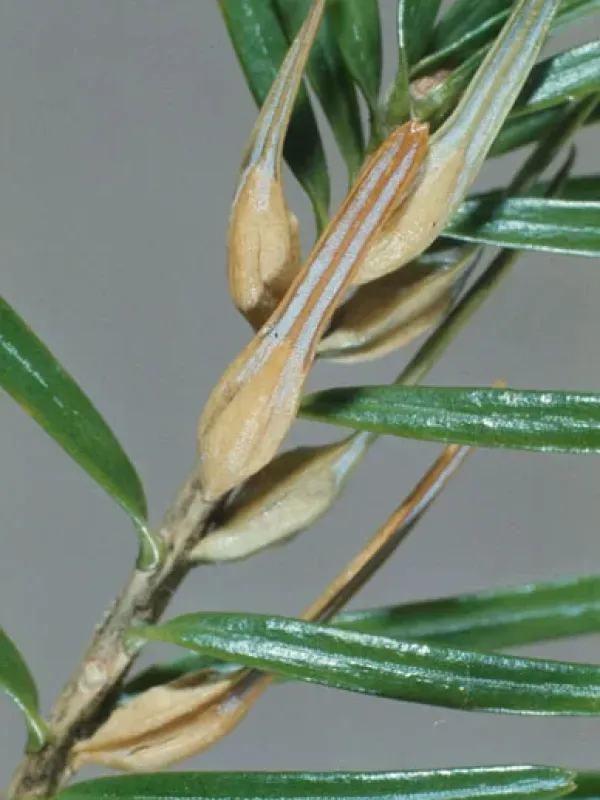
The most distinctive signs of infestation are the galls, which appear as swellings on the needles or around the base of the buds. These growths are distinct from healthy plant tissue.
Affected needles may become yellowed or discolored as the growing season progresses. If the infestation is high, these needles will drop prematurely from the shoot.
Upon closer inspection, the affected buds may look distorted or enlarged. They often fail to produce a normal healthy shoot, resulting in a stunted or crippled appearance.
Monitoring should be conducted during the spring when the first signs of swelling become visible, as this is when the larvae are actively shaping the galls.
- Characteristic swelling and gall formation
- Discoloration or yellowing of needles
- Premature needle drop
- Deformed or stunted terminal buds
- Reduction in annual shoot growth
Control measures
Effective control requires targeting the adult stage through properly timed insecticide applications. Once the larvae are safely inside the galls, chemical control becomes significantly less effective.
Sanitation is a practical approach for small-scale infestations. Carefully pruning and disposing of infested branches can effectively lower the pest population in a garden or small nursery.
Promoting overall tree health through adequate irrigation and fertilization helps the host plant withstand and recover from the stress caused by the galls.
Biological control, including the encouragement of natural predators like parasitic wasps that target gall midges, is an important component of long-term sustainable management.
Regular monitoring of nurseries and the use of pest-free certified planting material remain the cornerstones of preventing widespread Paradiplosis outbreaks.
Taxonomy
- Latin name
- Paradiplosis
- Order
- Diptera (flies)
- Family
- Cecidomyiidae
- EPPO code
- PAADSP
Discussion
No discussions yet — be the first.