
Willow weevil
Otiorhynchus salicicola
Description
How to identify
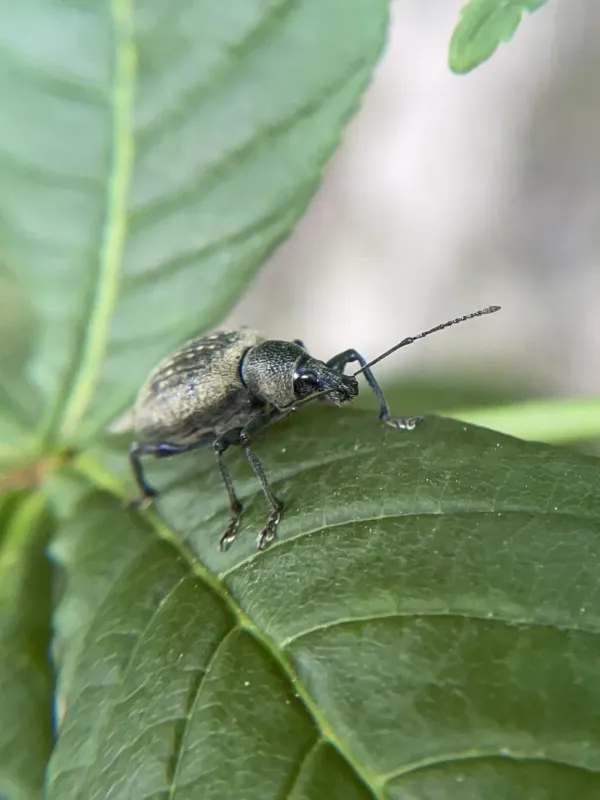
The Willow weevil belongs to the Curculionidae family, which are well-known beetles characterized by their elongated snouts. Adults are typically 8-12 mm in length, possessing a robust body with a dark brown or matte black coloration.
The elytra of the beetle are covered with fine scales, providing a textured appearance that acts as excellent camouflage on bark. Their anatomy is perfectly adapted for surviving in dense foliage and soil environments.
Larvae of the Willow weevil are legless, C-shaped, and creamy-white in color, often featuring a distinct brown head capsule. They spend their entire developmental period hidden from view, either within the soil or protected by the bark.
These insects are primarily nocturnal. During daylight hours, they seek shelter in dark crevices, leaf litter, or the root collar area, making them extremely difficult to detect during standard daytime inspections.
The species reproduces sexually, and females deposit eggs directly into the soil near host trees. The larvae hatch and immediately begin feeding on root tissues, which characterizes the hidden nature of their infestation.
What it damages
As the common name implies, willow trees are the primary hosts for this pest. However, the insect is opportunistic and frequently attacks various deciduous shrubs and trees found in nurseries and plantations.
Adult beetles cause damage by feeding on the leaf margins, creating irregular notches. While this primarily affects the aesthetic value, heavy infestations can lead to significant defoliation, particularly on younger specimens.
The larvae are considered the most dangerous stage as they feed on the fine root system and the base of the stem. This underground feeding often goes unnoticed until the plant shows clear signs of decline.
Roots damaged by larvae are unable to uptake water and nutrients efficiently. This leads to stunted growth, wilting, and in severe cases, the complete death of the tree, especially when transplanting saplings.
The physical wounds left by larvae create pathways for secondary pathogens. Fungal infections often establish themselves in these damaged areas, further compromising the health and vigor of the tree.
Signs of infestation
The most visible indicator of an adult infestation is the characteristic notched foliage. Observing these bites on the leaf edges, especially on apical leaves, is a strong signal that a population is present.
Declining vigor, yellowing leaves, or sudden wilting that does not recover with watering are classic signs of root damage caused by larvae. Such symptoms necessitate an immediate investigation of the root zone.
Using a flashlight for night scouting is the most reliable method for identifying adults. During the night, they emerge from their hiding spots to climb the foliage for active feeding.
Shaking tree branches over a white cloth or paper in the evening is a highly effective monitoring tactic. Weevils are prone to dropping and "playing dead" when disturbed, making them clearly visible against the light background.
Inspecting the soil around the base of the plant for the presence of C-shaped larvae can confirm the source of the problem. Excavating a few centimeters of soil in the root zone is crucial for early detection.
Control measures
Cultural control centers on maintaining clean root collars and performing regular soil cultivation. Disrupting the top layer of the soil destroys larvae and pupae while hindering the survival of the next generation.
Chemical control involving contact-action insecticides is most effective when applied at dusk. Targeting the beetles during their active nocturnal feeding period ensures higher mortality rates and better population suppression.
For larval infestations, soil drenching with systemic insecticides is recommended, particularly in commercial nurseries. This method ensures the chemical reaches the root zone where the larvae reside.
Installation of sticky or barrier bands on the trunks acts as an effective physical deterrent. This prevents the flightless adults from climbing into the canopy and allows for manual collection and disposal.
Biological control, utilizing beneficial nematodes or entomopathogenic fungi, provides a sustainable alternative to conventional pesticides. These organisms specifically target larvae within the soil, minimizing ecological impact.
Taxonomy
- Latin name
- Otiorhynchus salicicola
- Order
- Coleoptera (beetles)
- Family
- Curculionidae
- EPPO code
- OTIOSA
Discussion
No discussions yet — be the first.