
African rhinoceros beetle
Oryctes monoceros
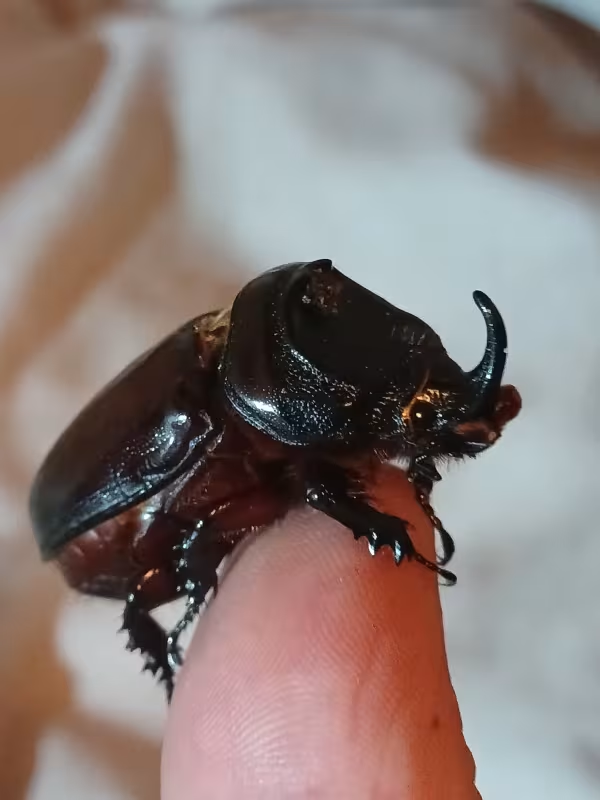
Description
How to identify
The African rhinoceros beetle (Oryctes monoceros) is a member of the Scarabaeidae family, well-known for being a significant pest in tropical palm cultivation.
Adult beetles are robust, dark brown to black in color, and characterized by a prominent horn on the head. This horn is usually much more pronounced in males.
The larvae are large, C-shaped grubs with white bodies and brown heads, typically found living in decaying organic matter such as logs or compost heaps.
The life cycle encompasses eggs, larvae, pupae, and adults. Depending on the environment, the development process can span several months to a year.
These insects are nocturnal, spending the day hidden in palm leaf axils or within organic debris, which makes them elusive and difficult to manage.
What it damages
The primary hosts of this beetle are coconut and oil palms. The damage is caused by adults feeding on the soft tissue of the growing point of the palm.
By boring into the crown of the tree, the beetle disrupts the development of new leaves, often leading to stunted growth or the eventual death of the tree.
While the larvae are not directly destructive to healthy living trees, they play a role in the population cycle by thriving in rotting timber within the plantation area.
Severe infestations can lead to a significant loss of fruit production, impacting the economic viability of palm oil and coconut plantations.
The feeding activity often creates wounds that invite secondary infections or infestations by other pests and pathogens, further weakening the host plant.
Signs of infestation
The most recognizable sign of infestation is the presence of V-shaped or triangular cuts on palm fronds, which become visible as the leaves unfold.
Holes bored into the base of the petioles or the trunk indicate the entrance of the beetle as it works its way toward the apical bud.
The death or breakage of the central spear leaf is a critical indicator that the growing point of the palm has been severely compromised by the pest.
Frass and chewed fiber found at the base of the leaves are clear evidence that a beetle is currently active inside the palm's crown.
General crown deformation and asymmetric growth are often observed in palms that have been subjected to repeated attacks over an extended period.
Control measures
Sanitation is the cornerstone of control; removing and destroying decaying logs, stumps, and organic waste prevents the beetle from finding breeding sites.
Biological control, particularly the use of the Oryctes rhinoceros nudivirus (OrNV), has proven highly effective in suppressing beetle populations naturally.
Pheromone traps are essential tools for monitoring beetle activity and trapping adults, which helps in early detection and reducing the population density.
Manual extraction of beetles from the palm crowns using a hooked wire or rod is a traditional but effective method for protecting young plants.
Chemical control involving the application of insecticides into the leaf axils can serve as a preventative measure during peak flight seasons for the beetles.
Taxonomy
- Latin name
- Oryctes monoceros
- Order
- Coleoptera (beetles)
- Family
- Scarabaeidae
- EPPO code
- ORYCMO
Discussion
No discussions yet — be the first.