
Juniper midge
Oligotrophus juniperinus
Description
How to identify
The Juniper midge (Oligotrophus juniperinus) is a small dipteran insect belonging to the family Cecidomyiidae. It is a specialized pest that exclusively targets juniper species, causing distinctive gall formations on their shoots and foliage.
The adult midge is a delicate, gnat-like insect measuring about 2-3 mm in length. Despite the appearance of the adult, it is the larval stage that causes the damage. The larvae are legless, vibrant orange or pinkish in color, and grow up to 3 mm.
The life cycle is univoltine, meaning there is one generation per year. The larvae overwinter inside the galls they have created on the host plant, remaining protected from cold temperatures until the following spring.
In spring, the larvae pupate within the galls. After emergence, adult midges mate and females lay eggs near the base of young needles or in shoot axils. Upon hatching, the larvae begin to feed, stimulating the plant to form a protective gall.
This gall structure provides both food and shelter for the developing larvae throughout the summer. By late autumn, the larvae are fully grown, and the galls harden, ensuring the pest survives the winter period successfully.
What it damages
The primary host for this pest is the juniper (Juniperus), particularly those with scale-like or needle-like foliage. It is commonly found in both decorative home gardens and commercial ornamental nurseries.
The larvae feed on plant tissues, which triggers an abnormal growth response. This results in the formation of galls that disrupt the nutrient flow to the tips of the shoots, causing growth stunting and foliage deformation.
Heavy infestations can lead to a significant decline in the ornamental value of the shrub. Over time, the affected parts of the branches may turn brown and wither, leading to thin or patchy foliage cover on the plant.
Damage caused by the midge can also create entry points for secondary pathogens. Fungal infections and other diseases are more likely to establish themselves in the weakened tissues of the galls, further damaging the juniper.
For young or newly planted shrubs, a severe outbreak can be devastating, hindering development and weakening the plant's overall vitality, making it susceptible to other environmental stressors.
Signs of infestation
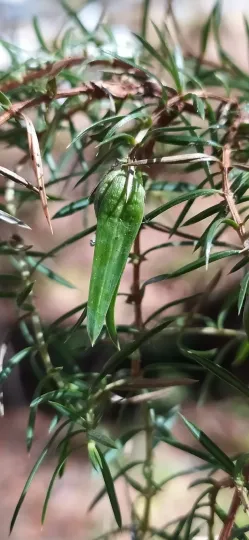
The most prominent sign of an infestation is the appearance of small, cone-like or rosette-shaped galls at the tips of juniper shoots. These galls are essentially deformed and thickened needles that cluster together.
The coloration of these galls often changes, appearing as yellowish, tan, or reddish swellings that contrast sharply with the healthy, green, and intact foliage surrounding them.
If you inspect the galls during the spring or summer months, you may find the small orange larvae inside. Their presence is the definitive indicator of an active Juniper midge infestation.
Affected shoots may appear stunted or twisted compared to unaffected growth. This irregular growth pattern often ruins the uniform, dense appearance that is desirable for ornamental juniper bushes.
In late summer, some galls may appear hollow or have small exit holes, indicating that the adult midges have already emerged, suggesting the infestation was present throughout the season.
Control measures
Management starts with sanitation. Pruning and destroying infested shoots before the adult midges emerge is the most effective way to reduce the population and prevent further spread within the garden.
Chemical control should be timed with the emergence of adult midges. Using systemic insecticides can be effective, as the poison is transported through the plant tissues to reach the larvae feeding inside the galls.
Consistent monitoring of juniper health during the spring growth phase is crucial. If the infestation is identified early, targeted spot treatments may be sufficient to keep the damage levels under control.
- Increase spacing between plants to improve air circulation and reduce humidity.
- Apply balanced fertilizers to promote vigorous growth and plant resilience.
- Perform thorough sanitation by removing and burning infested plant material.
- Use insecticides registered for conifer pests during the adult flight period.
If the juniper bush is heavily infested, it may be necessary to repeat treatments over consecutive seasons to ensure the population of midges is significantly suppressed and the plant has time to recover.
Taxonomy
- Latin name
- Oligotrophus juniperinus
- Order
- Diptera (flies)
- Family
- Cecidomyiidae
- EPPO code
- OLITJU
Discussion
No discussions yet — be the first.