
Juniper midge
Oligotrophus betheli
Description
How to identify
The juniper midge (Oligotrophus betheli) is a small dipteran insect belonging to the family Cecidomyiidae. Adult midges are tiny, fragile-looking flies, often smaller than a few millimeters, making them extremely difficult to spot in a garden environment.
The primary damage is caused by the larval stage. These larvae are legless, spindle-shaped, and usually pale yellow or orange in color. They spend their entire development period inside protected structures known as galls, which they induce on the host plant.
Taxonomically, they are specialized insects within the order Diptera. Their evolutionary adaptation allows them to manipulate plant growth hormones, forcing the tree to create a specific, nutrient-rich shelter for the larvae.
The life cycle undergoes a complete metamorphosis: egg, larva, pupa, and adult. Due to their protected position inside the tissue, they are well-shielded from environmental changes and natural predators during their larval development.
Their life history is synchronized with the bud burst of the host juniper. This ensures that the newly hatched larvae immediately have access to tender, developing tissues where they begin forming the galls.
What it damages
The juniper midge specifically targets various species of Juniperus. They favor young, actively growing shoots and buds, which makes the damage most visible during the spring and early summer growing season.
As larvae feed within the tissue, they release chemical substances that cause localized hypertrophy. This leads to the formation of galls, which disrupt the normal development and vascular transport of the branch.
The aesthetic impact on the plant is significant. Infested branches show stunted growth, distorted needles, and in severe cases, dieback of the twig tips, ruining the uniform appearance of the juniper.
Economically, this is a major nuisance for nurseries and landscape maintenance. Infested stock loses its value, and large-scale infestations can make the plants look sickly and neglected for several seasons.
While the midge itself rarely kills a mature, healthy tree, the cumulative stress of chronic infestation can make the juniper more susceptible to secondary diseases or drought stress.
When it appears
The activity begins in early spring as temperatures rise. This timing matches the opening of juniper buds, providing the perfect window for female midges to lay eggs on the newly emerged growth.
The adult flight period is typically short, lasting only a few weeks. This is the most critical window for applying control measures, as the adults are vulnerable to contact treatments before eggs are deposited.
During the summer months, the larvae reside inside the growing galls, feeding and increasing in size. The gall grows alongside the larva, providing a persistent shield against external threats.
The insect usually completes one generation per year. By late autumn, the larvae are fully grown and prepare to overwinter, either inside the galls or in the detritus beneath the plant.
Monitoring should be most intense during the spring and early summer. Early detection of initial gall formation can prevent the midge from spreading throughout the entire hedge or specimen.
Signs of infestation
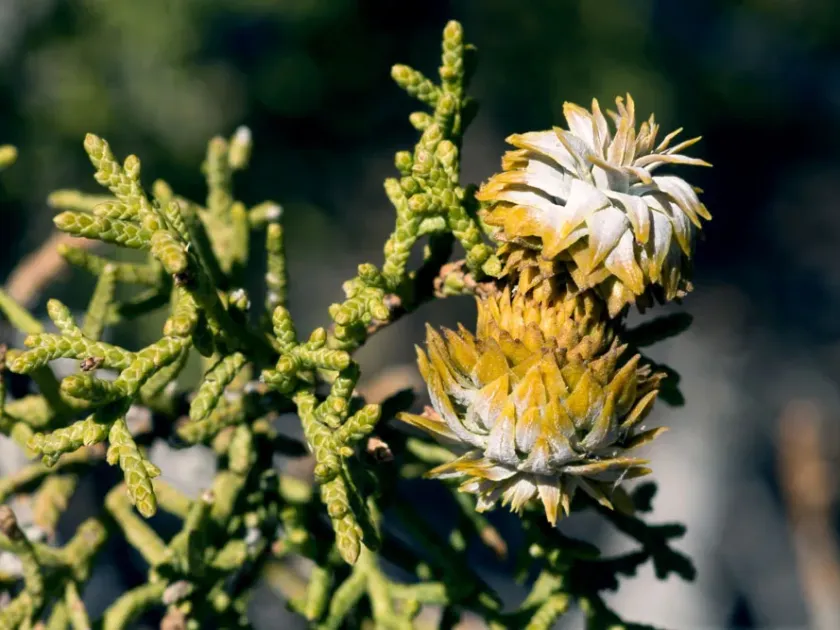
The most diagnostic sign of an infestation is the presence of galls. These are distinct swellings at the base of needles or on young shoots, often resembling small cones or bulbous structures.
The galls can vary in color, appearing greenish, yellowish, or even reddish depending on the cultivar and the stage of development. Their presence is usually the first thing a gardener notices.
Needles on or near the gall often become twisted, deformed, or discolored. If multiple larvae are present, the shoot may appear severely stunted or cease lengthening entirely.
To confirm the presence of Oligotrophus betheli, one can cut open a suspicious gall. The presence of a small, yellowish-orange larva inside the cavity confirms that the plant is infested.
As the season progresses, the old galls may turn brown and dry out, but they often remain on the branch, serving as a reminder of the previous season's infestation.
Control measures
Physical control is the most practical approach for small-scale gardens. Pruning and destroying affected shoots before the adult midges emerge can significantly reduce the population for the following year.
Chemical control using systemic insecticides is highly effective. Chemicals that are absorbed into the plant sap can reach the larvae hidden inside the protective walls of the gall.
Timed applications of contact insecticides during the adult flight period can prevent egg-laying. This strategy requires precise timing based on local phenological observations.
- Regular inspection of juniper foliage in spring.
- Prompt removal and disposal of infested twigs.
- Maintaining plant vigor through appropriate irrigation and nutrition.
Good horticultural practice is essential. Healthy, resilient junipers are less likely to suffer severe damage and recover much faster from the localized injury caused by midge feeding.
Taxonomy
- Latin name
- Oligotrophus betheli
- Order
- Diptera (flies)
- Family
- Cecidomyiidae
- EPPO code
- OLITBE
Discussion
No discussions yet — be the first.