
Oligotrophus
Oligotrophus
Description
How to identify
Oligotrophus is a genus of gall midges belonging to the family Cecidomyiidae in the order Diptera. These small, delicate flies are often overlooked due to their size and cryptic behavior.
The life cycle of these insects is intimately connected to specific host plants, primarily coniferous species. Adults have a very short lifespan, focusing entirely on reproduction and egg-laying during the early growing season.
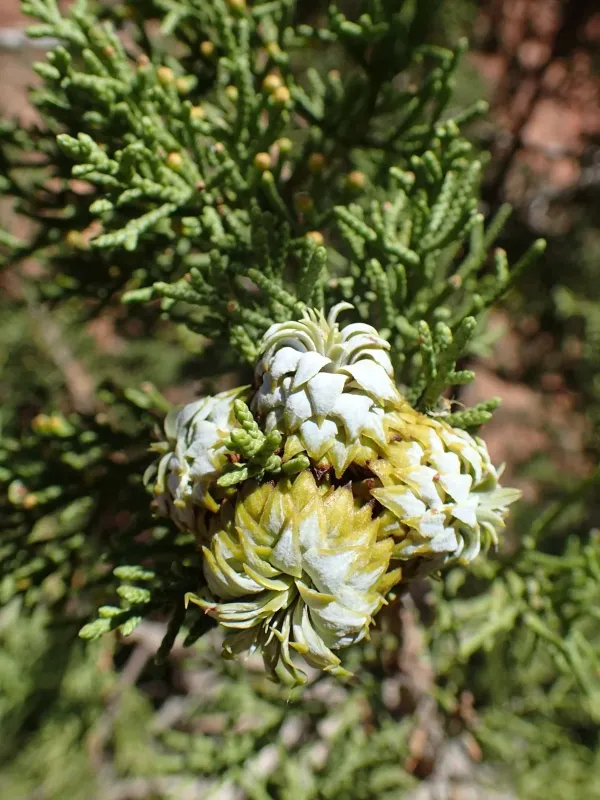
Larvae of Oligotrophus are typically legless and brightly colored, often exhibiting orange or yellow hues. They live inside plant tissues, inducing the formation of specialized structures known as galls.
Overwintering usually occurs in the larval stage, either within the gall itself or in the organic layer of the soil beneath the host plant, waiting for spring conditions to emerge.
Upon pupation in the spring, the insects transform into adults, completing their life cycle and initiating a new generation on the fresh growth of the conifers.
What it damages
The primary hosts of Oligotrophus are various species of juniper, including Juniperus communis and many ornamental cultivars used in landscape architecture.
The feeding activity of the larvae triggers an abnormal cell division in the plant, resulting in gall formation. This redirects the plant's resources away from healthy growth toward the development of the gall structure.
Severe infestations can lead to significant stunting of the plant, as affected shoots fail to develop normally, compromising the tree's architecture and vigor.
The presence of galls creates entry points for secondary pathogens and fungi, which can further deteriorate the health of the already stressed conifer.
Over time, damaged shoots may wither and die, leading to an unsightly appearance that diminishes the aesthetic value of the garden or landscape.
Signs of infestation
The most visible sign of infestation is the appearance of unusual swellings or galls on the tips of young shoots, which differ significantly from normal needle development.
Careful inspection of the interior of these swellings will reveal the presence of small, orange-colored larvae, which are the primary culprits behind the deformation.
Stunted growth or irregular, twisted shoot tips are common indicators that the plant is suffering from larval activity within its tissues.
Yellowing and subsequent shedding of needles on the affected parts of the branch often occur as the larvae reach maturity and continue their feeding.
In cases of heavy infestation, the entire branch structure may become deformed, losing its natural symmetry and becoming prone to mechanical damage.
Control measures
The most effective cultural control method is the physical removal and destruction of infested shoots before the adult midges emerge from the galls.
Applying systemic insecticides during the period of adult activity in the spring can effectively disrupt the life cycle and prevent further egg-laying.
Maintaining high plant vigor through proper irrigation, fertilization, and avoiding overcrowded planting patterns helps conifers better withstand pest pressure.
Regular monitoring of garden conifers during the spring and early summer is essential to catch the infestation at its onset, minimizing the need for heavy chemical intervention.
In private gardens, biological control agents such as entomopathogenic fungi can be used, providing an environmentally friendly alternative to traditional pesticides.
Taxonomy
- Latin name
- Oligotrophus
- Order
- Diptera (flies)
- Family
- Cecidomyiidae
- EPPO code
- OLITSP
Discussion
No discussions yet — be the first.