
Elm gall midge
Odinadiplosis
Description
How to identify
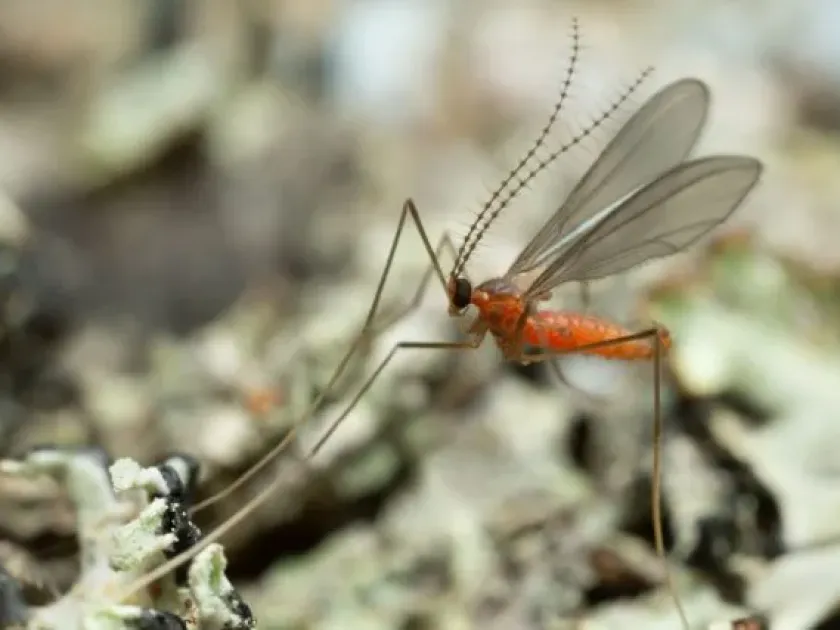
The elm gall midge (Odinadiplosis) is a small insect belonging to the order Diptera and the family Cecidomyiidae. These midges are characterized by their fragile bodies and long legs, typical of the gall midge family, making them difficult to detect without close observation.
The life cycle of the midge is strictly synchronized with the phenology of the elm tree. Adults emerge during the growing season to mate, after which females deposit eggs into the soft tissues of young, developing leaves.
The larvae, which are legless and often orange or yellowish, are responsible for the damage. Upon hatching, they begin to feed on plant juices, secreting substances that induce the formation of specific structures known as galls.
Development occurs within these galls, which provide the larvae with protection from environmental factors and natural predators. Upon reaching maturity, the larvae typically drop to the ground to pupate in the soil or leaf litter.
Elm gall midges are capable of rapidly colonizing available host trees, and their presence is often overlooked until visible symptoms appear on the foliage later in the season.
What it damages
The primary host for Odinadiplosis is the elm tree (Ulmus species). The midge targets the foliage, causing physiological and structural damage to the leaf tissue through its feeding activity.
The most distinctive symptom is the formation of leaf galls. These appear as small, often colorful (reddish or yellowish) swellings on the leaf surface. Each gall houses one or more developing larvae.
Heavy infestations lead to significant leaf deformation. The leaves may curl, turn yellow, and drop prematurely, which reduces the tree’s photosynthetic capacity and weakens its overall health.
Repeated yearly infestations can severely stunt the growth of young trees and decrease the aesthetic value of ornamental elms in parks and urban environments.
While the gall midge itself is rarely fatal to a mature, healthy tree, the cumulative stress caused by extensive defoliation can leave the tree susceptible to secondary attacks by other pests or pathogens.
Control measures
The most effective management strategy is sanitation, specifically the thorough collection and disposal of fallen leaves in the autumn. This removes the overwintering larvae from the area and breaks the life cycle.
Pruning of infested branches during the growing season can help reduce localized populations if detected early. Collected plant debris must be disposed of safely to prevent further spread.
In high-value ornamental settings, systemic insecticides may be applied during the period of peak adult activity or egg-laying, although this should be balanced against the need to protect beneficial insects.
Maintaining tree vigor through proper irrigation and soil management is essential. A robust tree can better withstand the stress caused by the midge and recover more effectively from defoliation.
- Autumn sanitation by removing and composting or burning leaf litter.
- Monitoring the canopy for the emergence of early leaf swellings.
- Encouraging natural predators such as parasitic wasps and predatory mites.
Taxonomy
- Latin name
- Odinadiplosis
- Order
- Diptera (flies)
- Family
- Cecidomyiidae
- EPPO code
- ODINSP
Discussion
No discussions yet — be the first.