
Oak gall midge
Obolodiplosis
Description
How to identify
The oak gall midge, scientifically known as Obolodiplosis robiniae (or related species complex), belongs to the order Diptera and the family Cecidomyiidae. These are small, delicate insects whose life cycle is intricately linked to the creation of plant galls — abnormal growths on plant tissues.
Adult midges are tiny, usually 2-3 mm long, with fragile bodies covered in fine hairs. They possess long antennae and transparent wings, making them extremely difficult to spot in their natural forest habitat due to their secretive lifestyle.
The larval stage is the most significant for plant damage. The larvae are legless, spindle-shaped, and usually yellow or orange in color. They secrete specific substances that manipulate plant hormonal pathways, forcing the tree to grow a gall that serves as both food and shelter.
Taxonomically, this pest is a highly specialized phytophage. Different species of gall midges have co-evolved with specific host plants, meaning they rarely switch hosts to other plant families.
Identification of the specific gall midge species is usually done by analyzing the morphology of the galls rather than the adult insects. The size, shape, color, and location of the gall on the leaf are primary diagnostic features.
What it damages
The primary host plants for this group are oak species (genus Quercus). While they can occasionally infest closely related woody plants, oak trees suffer the most significant damage from these infestations.
Larvae feed on the plant sap within the gall. This acts as a nutrient sink, redirecting resources that the tree would otherwise use for healthy leaf growth, shoot development, and root strengthening.
The primary damage symptom is a reduction in photosynthetic capacity. As the tree allocates energy to support the galls, the foliage becomes less efficient, which can lead to overall tree stress if the infestation is severe.
During heavy infestations, premature yellowing and leaf drop can occur. This impairs the tree's ability to store sufficient energy for the winter, potentially leading to increased vulnerability to frost and secondary pathogens.
In forest plantations and ornamental parks, these pests decrease the aesthetic value of the trees and can significantly stunt annual growth. In cases of chronic drought, damage to tree vitality is magnified.
When it appears
The phenology of the oak gall midge is synchronized with the bud burst and spring leaf development of the oak tree. Adult emergence typically occurs in early spring when fresh, tender foliage is available for oviposition.
Females lay their eggs directly into the tissues of developing leaves or buds. Once the eggs hatch, the larvae immediately begin the process of inducing the host plant to form a gall around them.
Depending on the regional temperature, there may be multiple generations per year. Warmer summers promote faster pupation and development, leading to several overlapping cycles.
In the autumn, larvae of the final generation generally exit the galls and move into the soil or the leaf litter to overwinter. They pupate within the soil, where they remain dormant throughout the winter months.
Monitoring is most effective during the spring flight period of the adults. Understanding the timing of emergence is crucial for predicting the severity of the infestation in any given season.
Signs of infestation
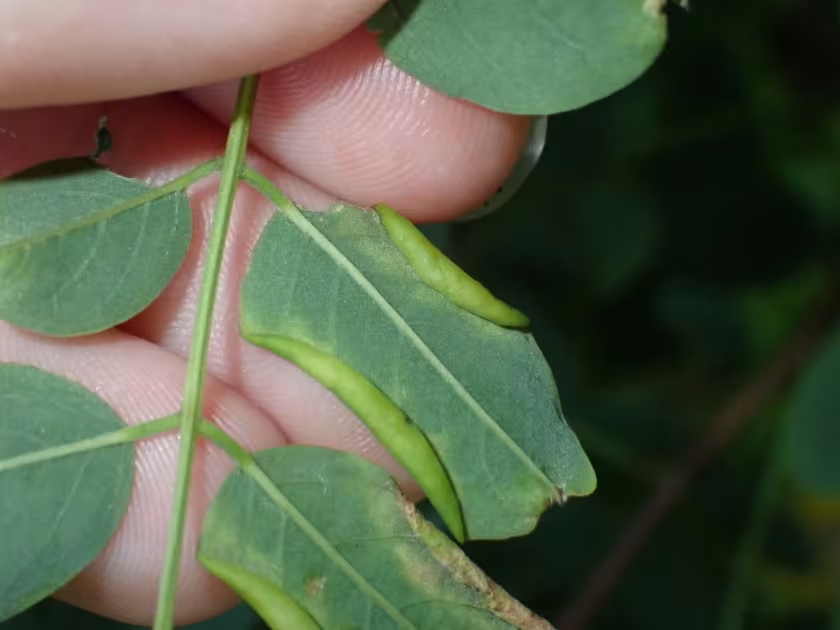
The most distinctive sign of infestation is the presence of galls on the leaf blades. These appear as small, often circular or irregular swellings that vary in color from pale green to reddish-purple.
Galls are commonly found on the underside of leaves, often along the midrib or main veins, though they can be scattered across the entire surface. Their texture may be either hard and woody or soft and succulent.
Visual inspection often reveals leaf curling or warping around the galls. The foliage may appear leathery or uneven, and edges may begin to yellow or wither prematurely.
- Pin-sized holes in the center of the galls indicate that the midge has completed its development and emerged.
- Darkening of the gall tissue suggests the gall has become necrotic or has been parasitized by other insects.
- Early-season infestation often manifests as slight leaf distortion or crinkling even before the galls have matured to their full size.
Severe leaf shedding in mid-summer, in the absence of obvious drought stress, is a strong indicator of high midge population density.
Control measures
In large-scale forestry, chemical control is often impractical due to the height of the trees and the vast areas involved. Therefore, integrated pest management focuses on preventive and cultural measures.
Sanitation is recommended: collecting and destroying fallen leaves in the autumn can help reduce the local overwintering population, though many larvae reside in the soil.
For ornamental trees or young saplings, systemic insecticides applied during the early bud-break stage can be effective in preventing gall formation by targeting the egg-laying females.
Promoting natural biological control is essential. Parasitic wasps and other natural predators are the primary regulators of gall midge populations, so maintaining a balanced ecosystem is the best long-term strategy.
Maintaining tree vigor through proper irrigation and soil nutrition during the growing season helps the trees better withstand the stress caused by gall midge feeding.
Taxonomy
- Latin name
- Obolodiplosis
- Order
- Diptera (flies)
- Family
- Cecidomyiidae
- EPPO code
- OBOLSP
Discussion
No discussions yet — be the first.