
Cockatiel
Nymphicus
Description
How to identify
The Cockatiel (Nymphicus hollandicus) is a member of the cockatoo family that, while popular globally as a pet, is recognized as a significant pest in its native Australian range.
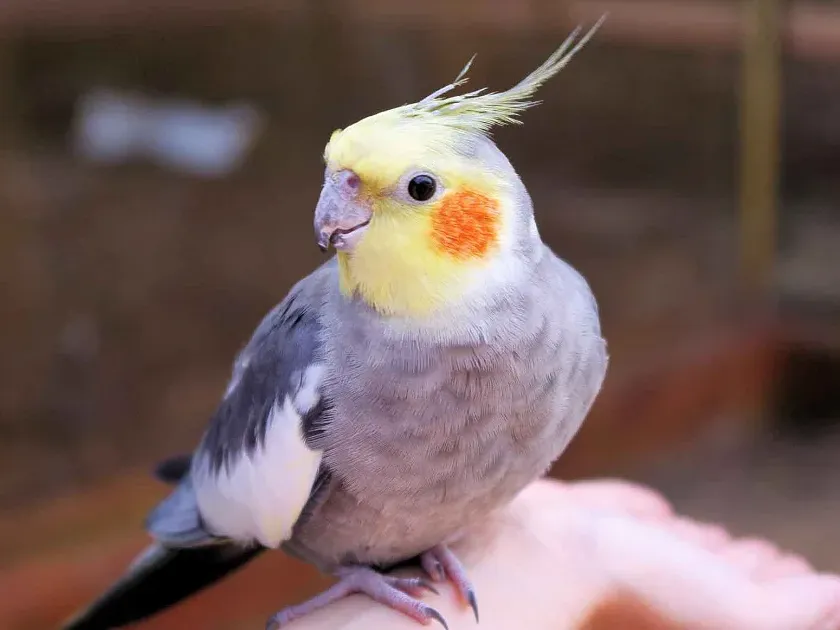
These birds are identified by their prominent crest, grey plumage with white wing patches, and distinct yellow markings on their heads, which are diagnostic in the field.
Equipped with powerful beaks, they are highly capable of cracking tough seed coats and damaging delicate plant structures, which leads to substantial losses in agricultural settings.
They are highly social birds that travel in large flocks, meaning that their foraging activity can quickly devastate a localized area of a crop field.
Their high mobility and adaptability allow them to exploit various food sources across different landscapes, making them challenging targets for traditional pest management.
What it damages
Cockatiels primarily feed on the seeds of various cereal crops, grasses, and sorghum, causing direct yield losses through grain consumption.
The most severe damage occurs during the grain-filling stage, where the birds strip the heads, leaving only the stalks behind and significantly reducing crop quality.
By landing in massed groups, they cause trampling damage, flattening sections of the field and making the remaining crop difficult to harvest efficiently.
In addition to cereals, they can strip buds and young shoots from orchards, particularly during drought conditions when natural forage becomes scarce.
The accumulation of bird droppings on crops can lead to hygiene issues and potentially invite fungal pathogens that exploit the wounds left by the birds' beaks.
When it appears
The threat level from cockatiels fluctuates with the seasonal availability of their preferred food sources and the crop ripening cycle in the region.
During periods of severe drought, the birds migrate toward agricultural zones with reliable water and irrigation, increasing the risk of crop damage.
Their peak activity typically occurs during the early morning and late afternoon hours, when large groups congregate to feed on ripening seeds.
Springtime can see increased pressure when the birds are breeding, as they require high-nutrient foraging to support their clutches.
Farmers must perform consistent field monitoring throughout the growing season to anticipate when the flocks are likely to converge on vulnerable stages of the crop.
Signs of infestation
The presence of cockatiels is often signaled by the sound of their high-pitched, distinct calls, which are audible long before they are spotted in the fields.
Field inspection reveals damaged cereal heads that show clear signs of beaking, often resulting in stripped or partially destroyed grain spikelets.
The discovery of moulted feathers or droppings in high concentration indicates a site where a large flock has been feeding for an extended period.
Patches of flattened crop are a common visual indicator of heavy flock landings, distinguishing bird damage from other types of environmental impacts.
Orchard managers may observe stripped blossoms or bitten buds on tree branches, which are characteristic of cockatiel feeding behavior in woody areas.
Control measures
Acoustic deterrents that broadcast predator calls or randomized noise are frequently employed to discourage flocks from settling in vulnerable fields.
Physical barriers such as netting are the most effective way to protect high-value fruit crops or small-scale trial plots from bird attacks.
Strategic timing of crop planting or harvest can help synchronize plant maturity with periods when cockatiel migration or activity is at its lowest.
Visual scare tactics, such as reflective tape or mobile scarecrows, can be effective if rotated regularly to prevent the birds from habituating to them.
Integrated management includes clearing vegetation around the crop borders to reduce cover and alternative food sources for the birds.
Taxonomy
- Latin name
- Nymphicus
- Family
- Cacatuidae
- EPPO code
- NYMKSP
Discussion
No discussions yet — be the first.