
Numicia viridis
Numicia viridis
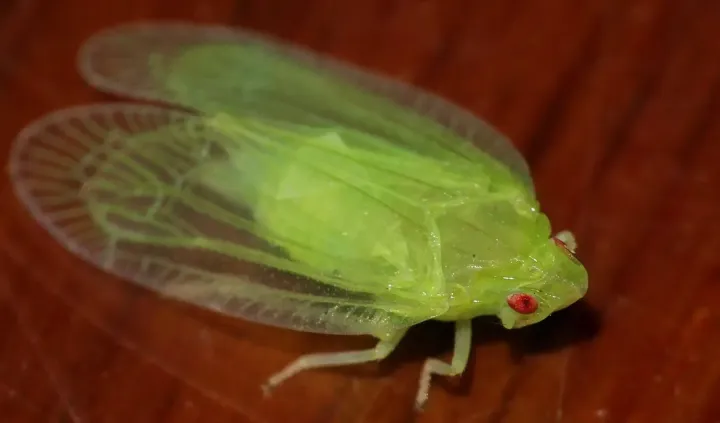
Description
How to identify
Numicia viridis is a species of planthopper belonging to the Lophopidae family within the order Hemiptera. The adult insect is characterized by its elongated body and vibrant green coloration, which provides excellent camouflage within the foliage of its host plants.
What it damages
This pest primarily infests sugar cane, posing a significant economic threat to commercial plantations. The insects feed by piercing plant tissues and extracting sap, which stunts the growth of the crop and reduces overall sugar production.
When it appears
The life cycle of Numicia viridis is closely linked to environmental conditions, particularly humidity and temperature. Populations tend to increase rapidly during the active growing season of the host plant, with multiple generations possible under favorable tropical conditions.
Signs of infestation
Infestation signs include yellowing of the leaves, stunted growth, and a reduction in vigor. A common secondary symptom is the presence of honeydew secreted by the nymphs, which leads to the growth of sooty mold on the foliage, interfering with photosynthesis.
Control measures
Effective management strategies rely on integrated pest management (IPM) practices, including the use of biological control agents such as parasitoid wasps that prey on the eggs. Cultural controls, such as the destruction of crop residues and maintaining field hygiene, are essential to break the pest's life cycle.
Taxonomy
- Latin name
- Numicia viridis
- Order
- Hemiptera (bugs, aphids, leafhoppers)
- Family
- Tropiduchidae
- EPPO code
- NUMIVI
Discussion
No discussions yet — be the first.