
Noterus
Noterus
Description
How to identify
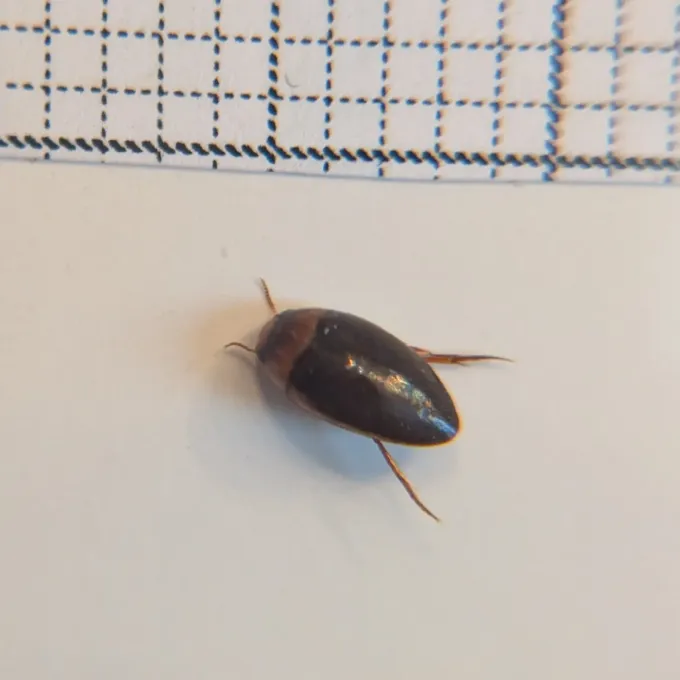
Noterus is a genus of small aquatic beetles belonging to the family Noteridae. These beetles are characterized by their compact, oval-shaped bodies and a yellowish to dark brown coloration that helps them blend into their aquatic environment.
A distinctive feature of the genus is their enlarged, flattened hind tibiae, which are specialized for digging into substrate and navigating through dense aquatic vegetation effectively.
Adult beetles are quite small, typically ranging from 3 to 5 millimeters in length. Because of their size and habitat, they are often overlooked during routine field inspections unless water samples are specifically examined.
They belong to the order Coleoptera and are typically found in stagnant or slow-moving water bodies, such as ponds, ditches, or irrigation canals where organic debris is abundant.
While they are generally not classified as major agricultural pests, their presence in aquatic farming systems can occasionally necessitate monitoring to prevent potential crop stress.
What it damages
The primary concern regarding Noterus beetles in agriculture is their potential to damage underwater parts of crops, such as rice seedlings or aquatic ornamentals grown in nurseries.
Larvae are known to burrow into the soft tissues of roots and stems of submerged plants, causing mechanical injury that hinders nutrient uptake and overall plant development.
In high densities, the feeding activity of these beetles can lead to thinning of crops, as young shoots may become weakened and succumb to secondary infections or rot.
While adult beetles are largely predatory on small invertebrates, they may occasionally cause minor damage to plant tissue if their preferred natural prey becomes scarce.
The economic impact is generally localized, and extensive damage is rare unless the water management system provides an exceptionally favorable environment for their reproduction.
When it appears
The life cycle of Noterus is driven by water temperature; activity generally commences in early spring as the water begins to warm, triggering mating and oviposition.
The summer months constitute the peak period for their life cycle, with larvae developing rapidly during the warmer weeks when food sources are most abundant.
The transition from larva to pupa typically occurs in the damp soil along the banks of the water body, which is a sensitive stage vulnerable to environmental fluctuations.
As autumn temperatures drop, adults seek refuge in the silt or decomposing plant matter at the bottom of the water source, where they overwinter until the following spring.
Fluctuations in water levels or intentional draining of fields can significantly disrupt their development, forcing populations to migrate or causing high mortality rates.
Signs of infestation
Symptoms of infestation include the presence of small pits or tunnels on the submerged stems and roots of plants, which may eventually lead to discoloration or tissue necrosis.
Field observation may reveal an uneven stand density, especially in areas where water pools are persistent and provide permanent breeding grounds for the beetles.
The presence of adult beetles can be confirmed by using standard water sampling nets, which will often capture these small insects alongside aquatic debris and organic substrate.
Stunted growth of crops in submerged zones compared to areas with better drainage may serve as an indicator that aquatic pests are interfering with root health.
If visible holes appear on the underwater sections of seedlings, especially during early stages of growth, it is a clear sign that larvae may be present and actively feeding.
Control measures
The most effective management strategy is cultural control, specifically the intermittent drainage of fields or canals to disrupt the beetle's aquatic life cycle.
Regular maintenance of irrigation systems, including the removal of excess aquatic vegetation, reduces the available habitats for both larvae and adult beetles.
Encouraging natural predators, such as larger carnivorous insects or small fish species, can help maintain Noterus populations below economically damaging levels.
If chemical control becomes necessary, it is essential to use products specifically approved for aquatic environments to avoid harming the broader ecosystem or non-target species.
Ongoing monitoring of water sources near the crop area allows for early detection, enabling farmers to apply control measures before the population reaches an uncontrollable peak.
Taxonomy
- Latin name
- Noterus
- Order
- Coleoptera (beetles)
- Family
- Noteridae
- EPPO code
- NTERSP
Discussion
No discussions yet — be the first.