
Hibiscus gall midge
Neolasioptera hibisci
Description
How to identify
The Hibiscus gall midge (Neolasioptera hibisci) is a small insect belonging to the order Diptera and the family Cecidomyiidae. Adult midges are very small, often resembling tiny gnats.
The life cycle of this pest is intimately associated with the formation of galls—abnormal tissue growths on the plant. These galls are created by the plant in response to the larvae's feeding activity.
Larvae are typically small, elongated, and whitish or yellowish in color. They reside entirely within the protective structure of the gall, shielded from environmental factors and predators.
The life cycle includes the egg, larval, pupal, and adult stages. Pupation usually occurs inside the gall, followed by the emergence of the next generation of adults.
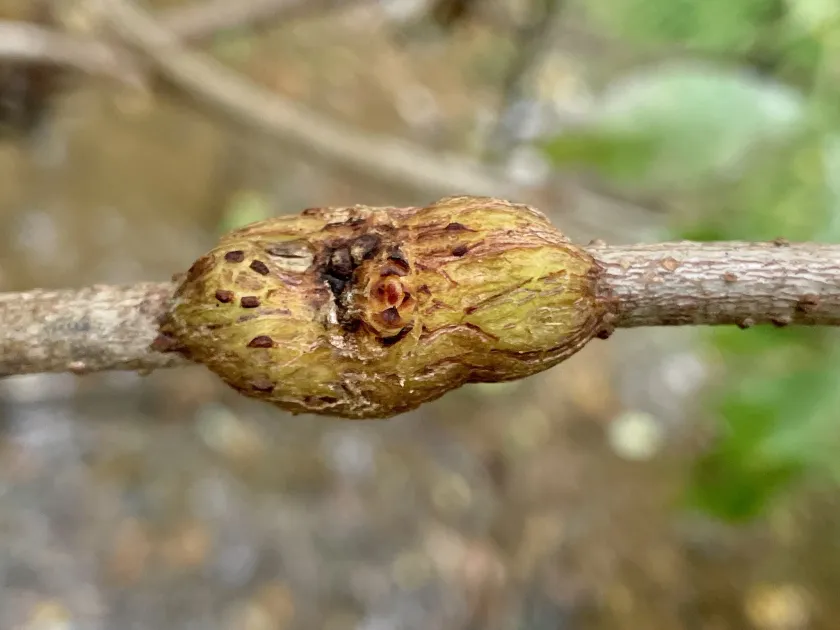
Field identification is generally based on the specific morphology of the galls found on the stems or buds of hibiscus plants rather than by direct observation of the minute adults.
What it damages
The primary host for this pest is the Hibiscus genus, especially decorative varieties grown in gardens and nursery settings.
The midge targets young shoots, leaves, and flower buds. The larvae feed on plant sap within the galls, causing localized structural deformities that inhibit the plant's normal growth.
Severe infestations can lead to stunted shoot growth and the complete deformation of flower buds, significantly reducing the plant's aesthetic value and blooming potential.
By weakening the host plant, the gall midge can make the hibiscus more susceptible to secondary infections, such as fungal pathogens, entering through the damaged tissues.
In cases where reproductive organs are targeted, seed production is severely compromised, which poses a major challenge for plant breeders and nursery propagation efforts.
Signs of infestation
The most prominent sign of infestation is the presence of swellings or tumor-like galls on the stems, leaf petioles, or flower stalks that look distinctly different from normal tissue.
Dissecting these galls will reveal small cavities housing the larvae or pupae of the gall midge, confirming the source of the structural abnormality.
Affected buds often yellow prematurely, fail to open, or drop off entirely, a symptom frequently misdiagnosed as drought stress or nutrient deficiency by casual observers.
Twisted or distorted new growth is a common indicator that the larvae are active inside the stem tissue, disrupting the vascular flow and development of the plant.
- Swollen stem tissues or galls.
- Distorted and misshapen leaves.
- Premature flower bud drop.
- Stunted or erratic branch growth.
Control measures
The most effective immediate control measure is the manual removal and destruction (burning) of all galls and infested parts before the adult midges emerge to lay eggs on new growth.
Systemic insecticides applied during the peak activity of adult midges can help manage populations by translocating the toxin into the plant tissues where larvae feed.
Regular monitoring of hibiscus plantings throughout the growing season is crucial for early detection, allowing for rapid intervention before the infestation becomes widespread.
Biological controls, including the introduction of natural predators or parasites of midges, can provide supplemental suppression in greenhouse or controlled environment settings.
Good sanitation practices, including the removal of debris and proper pruning in the fall, significantly reduce the overwintering population of the pest, minimizing pressure for the next season.
Taxonomy
- Latin name
- Neolasioptera hibisci
- Order
- Diptera (flies)
- Family
- Cecidomyiidae
- EPPO code
- NEORHI
Discussion
No discussions yet — be the first.