
Sunflower gall midge
Neolasioptera helianthi
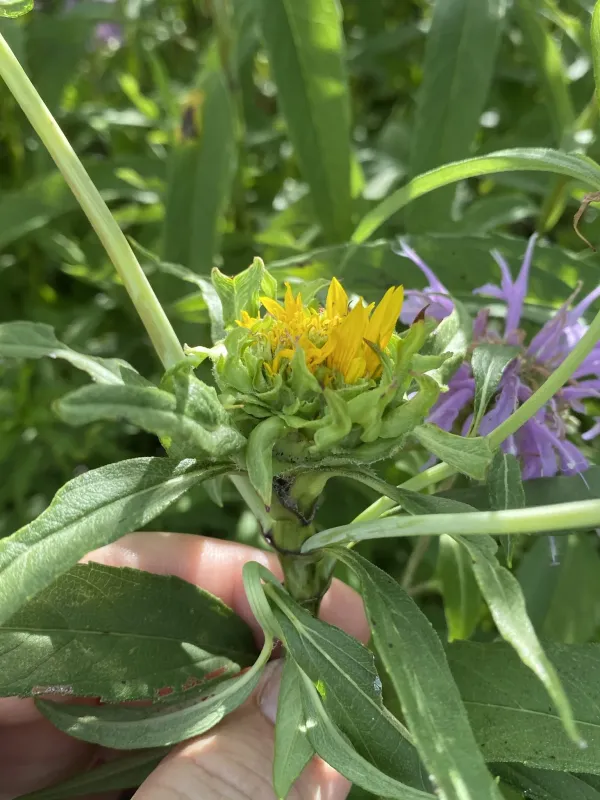
Description
How to identify
The sunflower gall midge Neolasioptera helianthi belongs to the order Diptera, family Cecidomyiidae. It is a tiny insect known for creating galls on its host plants.
Adult midges are small, delicate flies that are rarely seen in the field. The most recognizable stage is the larval stage, which develops within the host plant tissue.
These larvae are typically orange or white, legless, and hidden within the plant's vascular tissue, where they induce the formation of abnormal growths or galls.
Identification often requires careful inspection of the stalks during the mid-to-late growing season when the characteristic swellings become visible.
The biology of this pest is closely synchronized with the growth stages of the sunflower, ensuring the larvae have ample nutrition throughout their development.
What it damages
This pest specifically targets sunflowers, infesting the stalks, petioles, and sometimes the base of the flower heads, leading to significant physiological stress.
The galls formed by the midge interrupt the flow of nutrients and water throughout the plant, which often results in stunted growth and reduced seed yield.
Structural integrity is compromised by these swellings, making the sunflowers highly susceptible to lodging during windy conditions or heavy rain events.
The damaged areas create openings in the plant tissue, which can facilitate the entry of secondary pathogens, leading to stem rots and other infections.
Under heavy infestation, the cumulative effect of tissue damage and secondary infections can lead to premature plant death before the seeds are fully developed.
Signs of infestation
The most prominent sign of infestation is the appearance of distinct swellings or woody galls on the stalk or leaf petioles of the sunflower.
These galls are often initially green but may turn brown or corky as the larvae continue to feed and the plant tissue undergoes changes.
Plants affected by the midge may show uneven heights or visual deformations in the stem structure when compared to healthy, vigorous plants in the field.
Leaves located above the site of the gall may exhibit early wilting or yellowing, signaling a disruption in the vascular transport system.
Dissecting the stem reveals small larval chambers inside the gall, which confirms the presence of the pest and distinguishes it from other physical damages.
Control measures
Control strategies for the sunflower gall midge rely heavily on cultural and preventative agricultural methods to minimize the midge population.
Effective crop rotation is essential; by rotating away from sunflower crops for several years, growers can significantly reduce the overwintering population.
Sanitation practices, such as the deep burial of crop residues after harvest, help destroy the larvae and pupae that remain in the field stubble.
Weed management, particularly targeting wild sunflowers or related host plants, is crucial to eliminate reservoirs that sustain the midge population.
- Maintaining spatial distance between current and previous year's fields.
- Monitoring fields during peak midge activity periods.
- Choosing hybrid varieties that exhibit stronger stem resilience.
Taxonomy
- Latin name
- Neolasioptera helianthi
- Order
- Diptera (flies)
- Family
- Cecidomyiidae
- EPPO code
- NEORMU
Discussion
No discussions yet — be the first.