
Strawberry aphid
Nectarosiphon fragariella
Description
How to identify
The strawberry aphid (Nectarosiphon fragariella) is a small sap-sucking insect belonging to the family Aphididae, order Hemiptera.
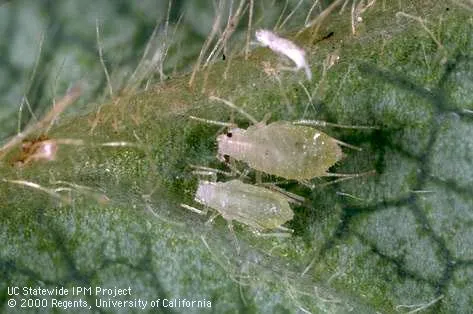
Adult aphids are typically 1.5–2 mm long and range in color from pale yellow to light green, allowing them to blend into the foliage of host plants.
The body is oval-shaped and features distinct cornicles (tubes) on the abdomen, which serve as a primary diagnostic feature for identifying this specific species.
These insects overwinter in the egg stage, with eggs typically laid near the crown of the strawberry plant or on the bases of petioles to survive winter conditions.
During the growing season, the population goes through several generations, including both wingless and winged forms, enabling the pest to spread rapidly.
What it damages
The primary hosts are cultivated strawberries, though they can occasionally infest other plants within the Rosaceae family if conditions are favorable.
Aphids feed by piercing plant tissues and extracting cell sap, which depletes the plant's resources and stunts its overall growth and development.
More importantly, the strawberry aphid is a significant vector for several harmful viruses, including strawberry crinkle virus and mottle virus, which can ruin entire crops.
Infested plants exhibit curled or distorted leaves, poor flower formation, and a substantial decrease in fruit yields throughout the harvest season.
The honeydew excreted by the aphids creates a sticky surface that attracts ants and promotes the growth of sooty mold, further stressing the plants.
When it appears
Activity typically begins in early spring as soon as temperatures consistently exceed 10-12°C, coinciding with the start of the plant's vegetative growth.
The population tends to peak during the flowering and fruit-setting stages, when the plant is most succulent and nutrient-rich, favoring rapid aphid reproduction.
While extremely hot and dry summer weather may naturally slow down colony expansion, irrigation often allows them to persist throughout the warm season.
As temperatures drop in the autumn, the aphids produce sexual forms that lay overwintering eggs, ensuring the cycle continues the following year.
Regular scouting during the late spring months is essential to detect early infestations before they reach levels that necessitate intensive chemical control.
Signs of infestation
The most visible symptom of an infestation is the curling and distortion of young leaves in the center of the crown, often resulting in stunted growth.
Close inspection of the underside of the leaves usually reveals colonies of aphids along with white cast-off skins from their molting process.
Leaves may appear shiny and sticky due to the honeydew secretion, which often leads to the development of black sooty mold fungus on the leaf surfaces.
Heavily infested plants may show signs of yellowing, loss of vigor, and general wilting, even if soil moisture levels are adequate.
- Distorted or curled leaves in the plant's heart.
- Sticky residue (honeydew) on foliage.
- Presence of ants patrolling the strawberry plants.
- Presence of small aphid colonies on the underside of leaves.
Control measures
Cultural control practices include maintaining clean crop hygiene by removing weeds that act as alternative hosts and ensuring proper plant spacing for airflow.
Biological control involves conserving natural predators such as lady beetles, lacewings, and hoverflies, which are highly effective at regulating aphid populations.
When chemical intervention is required, systemic or contact insecticides should be applied prior to bloom to prevent widespread infestation of the developing fruit.
Thorough coverage is critical; ensure that the spray solution reaches the underside of the leaves where the aphids reside to ensure maximum efficacy.
Always rotate insecticides with different modes of action to prevent the development of pesticide resistance within the aphid population.
Taxonomy
- Latin name
- Nectarosiphon fragariella
- Order
- Hemiptera (bugs, aphids, leafhoppers)
- Family
- Aphididae
- EPPO code
- NECSFR
Discussion
No discussions yet — be the first.