
Chestnut yellow aphid
Myzocallis kuricola
Description
How to identify
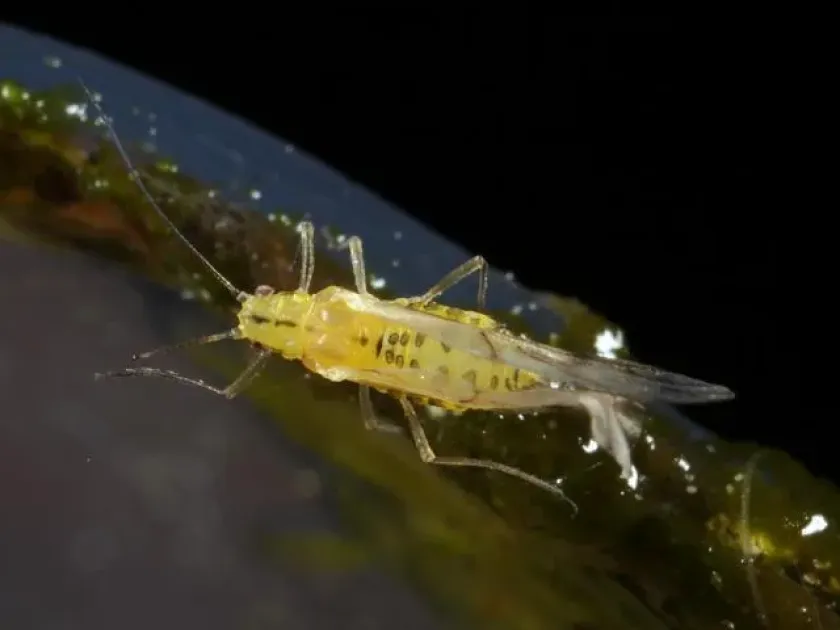
The chestnut yellow aphid (Myzocallis kuricola) is a member of the Aphididae family, known for its specific host preference for chestnut trees. Adults are recognized by their distinct lemon-yellow or light green bodies, which blend effectively with the foliage.
The insects are small and possess transparent wings with light venation. Nymphs, which are essentially miniature versions of the adults, can be found in high densities along the veins on the underside of chestnut leaves.
This species is characterized by its high reproductive rate. They are capable of both sexual and asexual reproduction, which allows the population to expand rapidly during the warm months of the growing season.
The aphids typically stay on the underside of leaves, which provides protection from direct sun and natural predators. Their presence is often identified not by the insects themselves, but by the physical impact they have on the tree's health.
Identification often involves checking the undersides of leaves during the spring and summer. With a magnifying glass, one can easily distinguish the yellow bodies of the aphids against the green leaf tissue.
##damage##The primary damage is caused by the aphid's constant feeding on the phloem of chestnut trees. By sucking sap, the insects deprive the tree of vital nutrients, leading to reduced overall vigor and health.
The honeydew produced by the aphids acts as a substrate for sooty mold. This black, fungal coating covers the leaves, significantly reducing their ability to perform photosynthesis and leading to further stress on the tree.
Severe infestations cause yellowing and leaf chlorosis. If left untreated, the infested leaves will eventually dry out and fall prematurely, which can happen long before the natural autumn senescence.
Young trees are particularly susceptible to stunt growth and twig deformation. Persistent attacks by this aphid can make a young chestnut tree more vulnerable to winter damage and opportunistic secondary diseases.
In large plantations, the cumulative effect of yellow aphid feeding can result in lower nut yields and poorer fruit quality, causing significant financial losses for commercial growers.
When it appears
The lifecycle begins in early spring as temperatures rise, triggering the emergence of nymphs from overwintering eggs. These insects immediately start feeding on the emerging tender shoots.
Population density typically peaks during mid-summer, specifically in June and July. Favorable weather conditions during this time accelerate the development cycles of each generation.
As the season shifts toward autumn, the aphids produce sexual generations to prepare for the dormant period. The females lay eggs in the crevices of the bark and near leaf buds for winter survival.
The dormant eggs are highly resistant to cold weather, ensuring the pest survives the winter. This reproductive strategy ensures a fresh wave of aphids the following spring if no control measures are taken.
Agronomists recommend monitoring for signs of infestation starting in late spring. Early detection is the best way to prevent the establishment of dense colonies in the canopy.
Signs of infestation
Initial signs include curling and distortion of new, soft leaves. As aphids extract sap, the leaf tissue reacts, leading to visible deformations and chlorotic patterns along the veins.
Sticky residue on the leaves or branches is a definitive sign of aphid activity. This honeydew often attracts ants, and their presence on the tree is a strong indicator of an aphid infestation.
The appearance of black sooty mold is a later sign of an established colony. This mold can cover large areas of the foliage, making the tree look dull, dirty, and unhealthy.
Early leaf drop is a major concern. If you notice a significant amount of yellow leaves falling during the middle of the summer, the infestation is likely at an advanced stage.
- Yellowing and curling leaves
- Sticky honeydew secretions on foliage
- Presence of ants on branches
- Black sooty mold covering leaves
- Premature leaf abscission
Control measures
Biological control is highly effective when predators are present. Encouraging natural enemies like ladybirds, lacewings, and hoverflies can help suppress aphid populations without the need for chemicals.
When infestation levels exceed acceptable thresholds, systemic insecticides can be applied. These products are taken up by the tree, providing effective protection against sucking insects for an extended period.
Cultural practices, such as proper pruning, improve air circulation within the canopy. This reduces the humidity levels that aphids find conducive to rapid reproduction and colony development.
Blocking access for ants using sticky traps on tree trunks can significantly aid in control. Since ants protect aphids from predators, removing them allows natural biological balance to return.
Regular monitoring and healthy tree maintenance, including appropriate fertilization and watering, enhance the tree's natural resistance to pest attacks and promote faster recovery.
Taxonomy
- Latin name
- Myzocallis kuricola
- Order
- Hemiptera (bugs, aphids, leafhoppers)
- Family
- Aphididae
- EPPO code
- MYZCKU
Discussion
No discussions yet — be the first.