
Murex
Murex
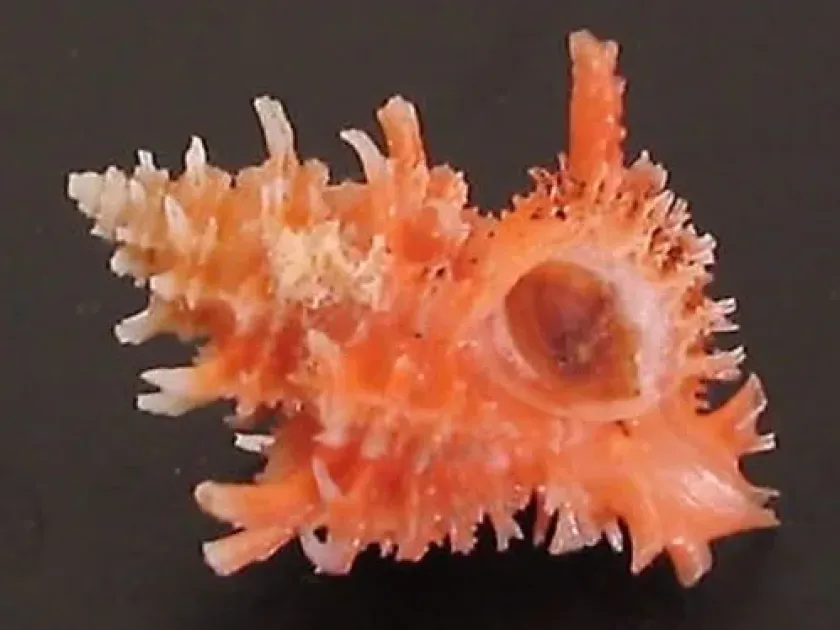
Description
How to identify
Murex belongs to the class Gastropoda and the family Muricidae. While primarily marine, they pose a threat to hydroponic and aquaponic facilities using unfiltered water sources.
These mollusks are characterized by elaborate shells often featuring spines, ridges, or fronds, which provide significant structural defense.
Biologically, they function as predators, using their specialized anatomy to survive in diverse aquatic environments, including man-made water systems.
Their life cycle involves depositing eggs in protective capsules, which are firmly attached to substrates, ensuring the survival of their offspring.
The larval stage is planktonic, allowing them to disperse over long distances through water currents and colonize agricultural infrastructure efficiently.
What it damages
Damage occurs primarily in aquaculture or hydroponic systems where mollusks invade irrigation pipelines and plant nutrient reservoirs.
They consume plant tissues using their radula, creating entry points for opportunistic pathogens that lead to root rot and systemic plant weakness.
The accumulation of these mollusks in filtration systems leads to blockages, causing significant disruptions in the delivery of vital nutrients to crops.
Their presence can lead to physical damage to internal irrigation components, requiring costly repairs and potential system shutdowns.
Economic losses are driven by decreased crop quality, stunted growth, and the necessity of decontamination protocols within the cultivation facility.
Signs of infestation
The presence of murex is often confirmed by finding empty or living shells with distinctive spikes inside pump chambers or water filtration units.
Small, irregular gouges on the submerged root systems of plants indicate feeding activity by the gastropods.
Slimy trails left on the inner surfaces of pipes or tanks serve as clear biological evidence of active movement by these pests.
Clusters of small egg capsules attached to the walls of irrigation tubing are an early warning sign of an established infestation.
A decline in the overall health and growth rate of plants, accompanied by changes in water chemistry, suggests the presence of an invasive aquatic pest.
Control measures
Installing fine-mesh filtration screens at the water intake is the most effective way to prevent larvae from entering the agricultural system.
Periodic maintenance and mechanical cleaning of all water-conveying equipment prevent the accumulation and reproduction of mollusks.
Ultraviolet (UV) water sterilization systems are highly effective at neutralizing planktonic larvae before they reach the main cultivation area.
Managing the chemical parameters of the water, such as salinity or pH levels, can create an inhospitable environment for these specific gastropods.
Strict biosecurity measures when introducing new water or growing media are essential to prevent the accidental introduction of Murex into the farm.
Taxonomy
- Latin name
- Murex
- Order
- Molluscs
- Family
- Muricidae
- EPPO code
- MURESP
Discussion
No discussions yet — be the first.