
Ring nematode
Mesocriconema xenoplax
Description
How to identify
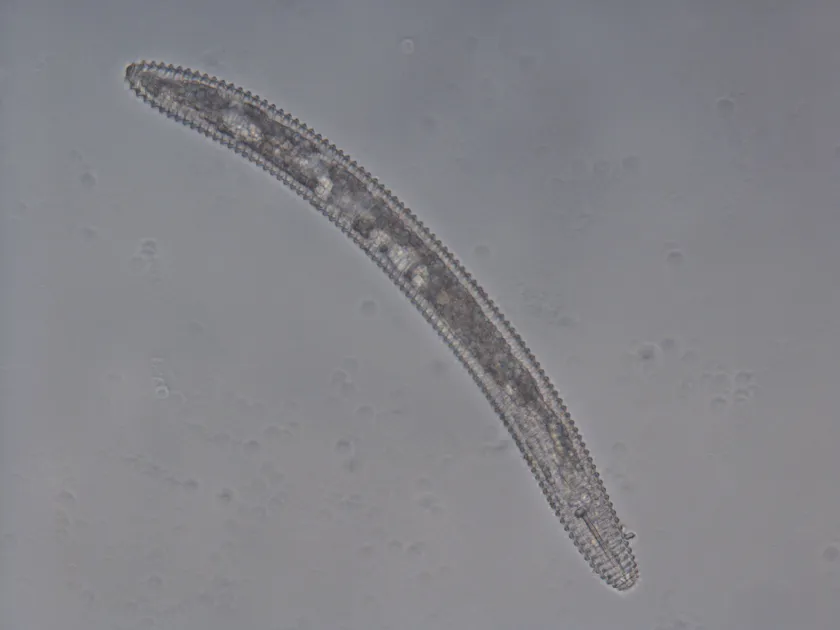
The ring nematode, scientifically known as Mesocriconema xenoplax, is a plant-parasitic organism within the order Tylenchida and the family Criconematidae. It is named for the thick, prominent cuticle rings covering its body.
These nematodes are small, ectoparasitic worms that thrive in the rhizosphere of various trees and vines. They possess a long stylet used to pierce plant root tissues to extract essential cell contents.
Adults are relatively slow-moving compared to other nematode species and tend to stay in close proximity to the root surface, where they establish their feeding sites.
The lifecycle of this pest is highly dependent on environmental factors such as soil temperature and moisture, allowing them to remain active for the majority of the growing season.
Due to their survival mechanisms, they can persist in the soil for significant periods, even when preferred host roots are temporarily unavailable, making eradication a difficult task.
What it damages
The ring nematode primarily targets stone fruit trees such as peaches, plums, and cherries, as well as vineyards, causing severe stunting and reduced productivity in host plants.
By feeding on the root tips, they inhibit the plant's ability to uptake water and nutrients, which often manifests as chronic malnutrition of the tree despite appropriate fertilization.
Their feeding wounds serve as entry points for various soil-borne pathogens, including bacteria and fungi, which significantly increase the risk of root rot and overall plant decline.
This nematode is closely associated with the "peach tree short life" syndrome, a complex physiological disorder that leads to sudden tree death, especially in sandy soils.
In orchards and vineyards, the cumulative effect of ring nematode infestation leads to patchy growth, decreased vigor, and a dramatic reduction in the economic lifespan of the trees.
Signs of infestation
Plants infested with ring nematodes typically display symptoms such as chlorotic foliage, stunted shoot growth, and a general loss of vigor throughout the canopy.
Upon examination of the root system, one will notice a lack of fine feeder roots and potential browning or necrosis of root tips due to the parasite's feeding activities.
Infested blocks often show an uneven distribution of plant health, where groups of trees or vines fail to thrive while neighboring plants appear relatively healthy.
Reduced cold hardiness is a critical sign, as infested trees are far more susceptible to winter injury compared to non-infested specimens under identical conditions.
Symptoms are often masked by other stressors, so growers should perform laboratory soil sampling to confirm the presence and density of Mesocriconema xenoplax.
Control measures
Prevention is the primary defense, starting with the selection of certified, nematode-free nursery stock and the implementation of strict sanitation practices.
Pre-plant soil fumigation is an effective strategy to reduce initial nematode populations in soil before establishing new orchards or commercial vineyards.
Improving soil organic matter content promotes a diverse and active microbial population that can naturally suppress nematode activity and improve overall root health.
Strategic use of cover crops and rotational planning can help break the nematode lifecycle and decrease the soil population density over several growing seasons.
In cases of high infestation, integrating chemical nematicides with cultural practices provides a multi-layered approach to protecting valuable fruit and vine crops.
Taxonomy
- Latin name
- Mesocriconema xenoplax
- Order
- Nematodes
- Family
- Criconematidae
- EPPO code
- CRINXP
Discussion
No discussions yet — be the first.