
Mercenaria
Mercenaria
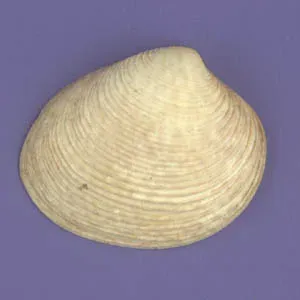
Description
How to identify
Mercenaria (lat. Mercenaria) is a genus recognized for its association with various plant species, often acting as a significant pest in agricultural environments. Understanding its systematic position is crucial for developing targeted control strategies in modern farming.
The adult insect has evolved specialized mouthparts designed to exploit the protective tissues of host plants. Its morphology varies slightly across different regions, yet common characteristics include a hardened exterior and high reproductive capacity under favorable conditions.
The life cycle of this pest involves several developmental stages, often including a period of overwintering in the soil or protected plant debris. This cycle is finely tuned to the phenology of the host crops, allowing the pest to emerge exactly when the plants are most vulnerable.
Environmental factors, particularly temperature and humidity, play a decisive role in the population dynamics of Mercenaria. Moist and moderate conditions typically trigger rapid development and increased feeding activity among the larval stages.
Identifying the pest at early stages is challenging but essential for effective population management. Field observations should focus on areas of high plant density and protected microclimates where the pest is most likely to establish a foothold.
What it damages
Mercenaria causes significant damage by feeding on both vegetative and reproductive parts of various crops. The larval stages, in particular, can consume large amounts of plant tissue, leading to a direct reduction in vigor and total biomass.
As the pest feeds, it disrupts the internal transport of nutrients and water, which often causes systemic weakness in the plant. This condition is frequently compounded by the plant's inability to maintain optimal photosynthesis due to tissue loss.
In addition to physical destruction, the wounds caused by feeding serve as entry points for pathogens. Fungal and bacterial infections often follow, which can turn a manageable pest problem into a total crop failure if left unchecked.
The impact is most severe on young crops, where even slight damage to the growing tip or seedling stem can prevent further development. This leads to gaps in the field, reducing overall planting density and resulting in lower yields at harvest.
Continuous feeding during the peak growing season exhausts the plant's resources, making it less resilient to external stresses like drought or heatwaves. Managing this pest is therefore vital for maintaining the long-term health and productivity of the farm.
Signs of infestation
Initial signs of a Mercenaria infestation include the appearance of localized chlorotic spots on leaves. These symptoms often precede the emergence of more visible damage, acting as a warning sign for scouting efforts.
The foliage may show signs of deformation, such as leaf curling or puckering, as the pest targets the rapidly growing tissues. In many cases, the plants exhibit a general lack of vitality and stunted growth compared to healthy areas of the field.
Observation of the stems and leaf axils often reveals the presence of frass (insect excrement), which is a clear indicator of active feeding. This is often accompanied by a slight yellowing of the veins, signaling a disruption in the plant's vascular integrity.
- Small puncture wounds on young leaves
- Wilted tips appearing during the heat of the day
- Presence of larvae or adult insects in sheltered plant areas
- Secondary fungal growth on necrotic leaf tissue
Scouting protocols should involve a consistent sampling method to track population trends throughout the season. Early detection allows for more precise and less intensive management interventions.
Control measures
Integrated Pest Management (IPM) is the most effective approach for controlling Mercenaria, focusing on preventative rather than reactionary measures. Deep plowing of fields after harvest significantly reduces the overwintering population.
Crop rotation is another fundamental strategy, which deprives the pest of its preferred food source. By rotating non-host crops into the cycle, farmers can effectively disrupt the life cycle of the pest and stabilize population levels.
When the economic injury level is exceeded, selective chemical insecticides may be necessary. It is important to apply these during the most vulnerable stage of the pest's development to ensure maximum efficacy while minimizing collateral damage.
Biological control methods, including the release of natural predators or the use of specific microbial pathogens, offer a sustainable alternative in various cropping systems. These methods are particularly effective when managed in a balanced ecosystem.
Continuous monitoring using pheromone traps helps farmers make informed decisions about when to intervene. This data-driven approach ensures the preservation of natural enemies while effectively protecting the commercial yield.
Taxonomy
- Latin name
- Mercenaria
- Family
- Veneridae
- EPPO code
- MERCSP
Discussion
No discussions yet — be the first.