
Megapode
Megapodius
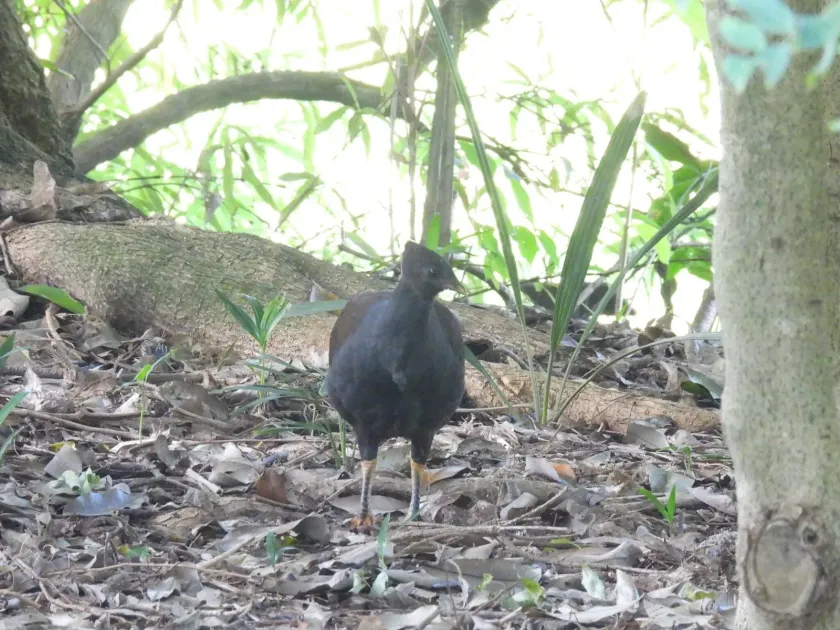
Description
How to identify
Megapodes, or mound-builders (family Megapodiidae), are a group of ground-dwelling birds known for their unique nesting habits. Native to Australasia, these birds do not incubate eggs with their bodies but rather use heat from decomposing organic matter.
They are characterized by their strong legs and powerful feet, specifically evolved for scratching and moving large amounts of soil and vegetation. Their appearance is robust, resembling domestic chickens but with a more intense focus on terrain manipulation.
Their life cycle is intricately tied to the environment, as the success of their nesting depends on the microbial decomposition of debris inside the mounds they construct. These mounds can grow quite large, affecting soil composition over a wide area.
During the day, these birds are highly industrious, constantly foraging and expanding their territory. This behavioral pattern frequently brings them into conflict with gardeners and farmers who cultivate the same land.
Understanding their biology is key to mitigation, as their drive to create mounds is instinctive and persistent. When they locate a well-tended garden with loose soil, they often perceive it as an ideal site for their next incubator.
What it damages
The primary damage caused by megapodes is physical destruction. By excavating topsoil and mulch to build their nesting mounds, they frequently uproot newly planted vegetables and tender nursery crops.
Their constant scratching damages the root zones of established plants, leading to dehydration and nutrient deficiencies. Once the soil structure is disrupted, the plants often cannot recover, leading to total yield loss in affected rows.
Furthermore, megapodes are voracious consumers of seeds. They can efficiently strip a newly sown field of its seeds, rendering traditional planting schedules ineffective and necessitating frequent re-seeding.
The mounds themselves alter the landscape, creating compacted zones and barren patches where nothing can grow properly due to the fermentation processes occurring beneath the surface debris.
In addition to destroying crops, the persistent movement of soil can damage irrigation infrastructure and plastic sheeting used for garden beds, leading to increased maintenance costs for farmers.
Control measures
To control megapodes, physical exclusion is the most reliable method. Installing high-quality mesh fencing around the entire perimeter of the garden prevents these birds from accessing the cultivated areas.
Visual deterrents, such as predator silhouettes or moving devices, can discourage birds from settling on the property, provided they are moved regularly to prevent the birds from becoming accustomed to them.
Cultural practices include using heavier mulching materials, like large rock or thick wood chips, which are too cumbersome for the birds to move easily. Keeping the vicinity clean of excessive leaf litter also reduces the attraction.
Ultrasonic bird deterrents are a viable technological solution for larger plots, emitting frequencies that are irritating to birds while remaining harmless to humans and domesticated animals.
Proactive monitoring is essential; by identifying and removing nascent nesting mounds early, farmers can discourage the birds from establishing a permanent nesting site on the agricultural land.
Taxonomy
- Latin name
- Megapodius
- Family
- Megapodiidae
- EPPO code
- MGPOSP
Discussion
No discussions yet — be the first.